
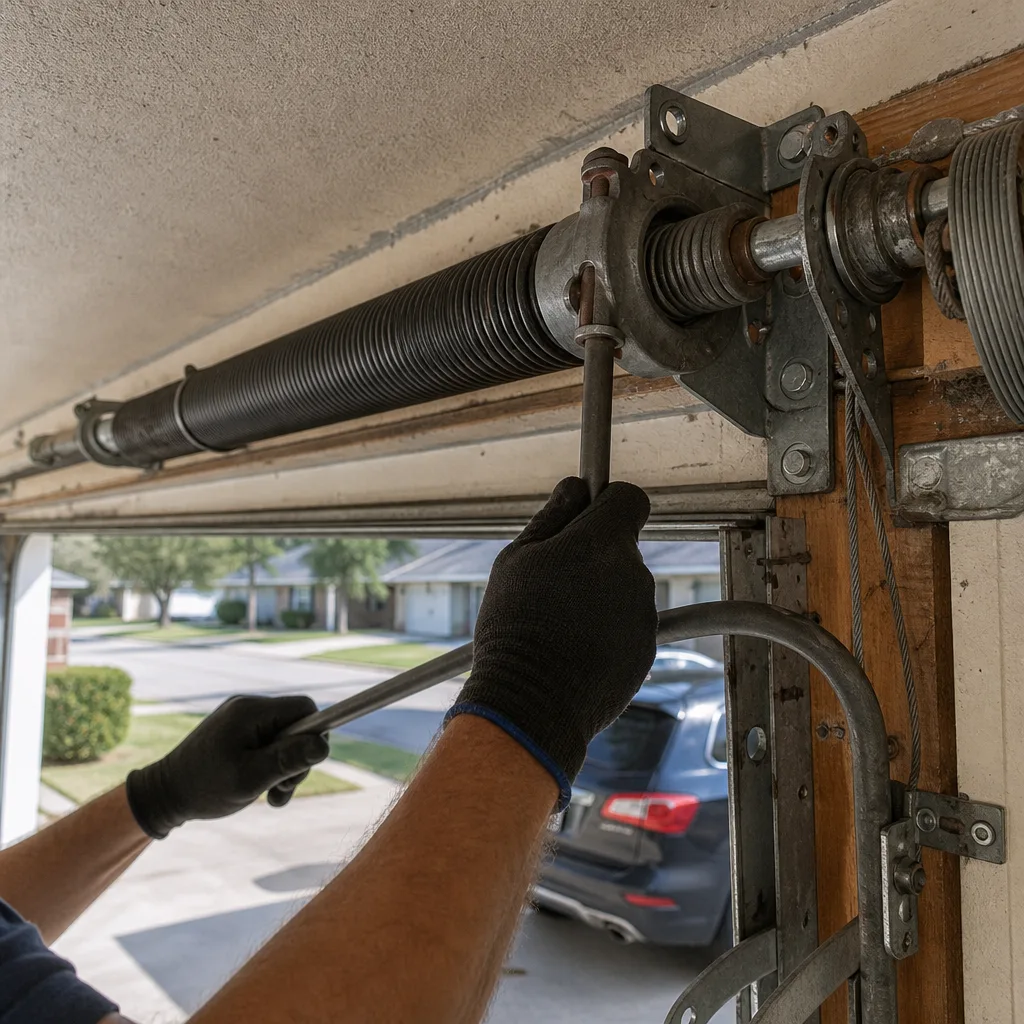
Last updated November 21, 2026
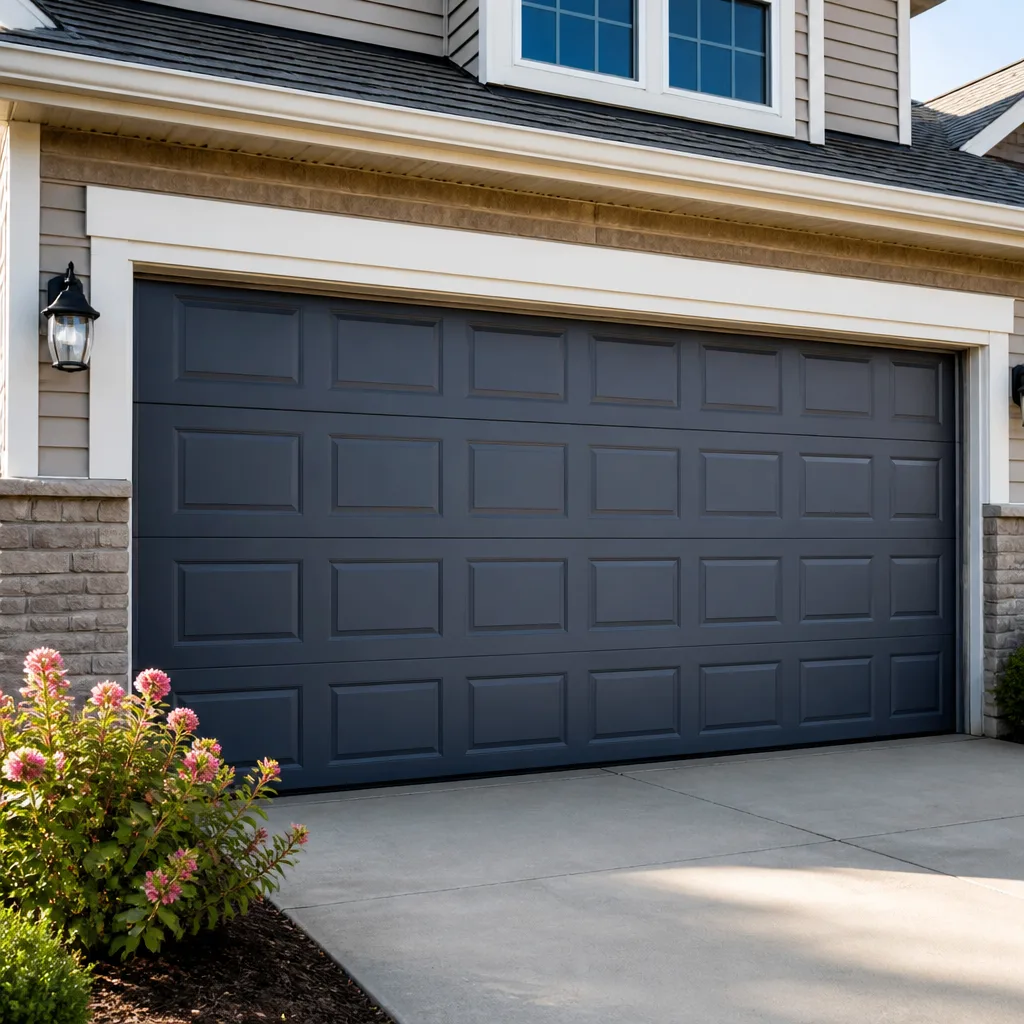 Raised-panel steel
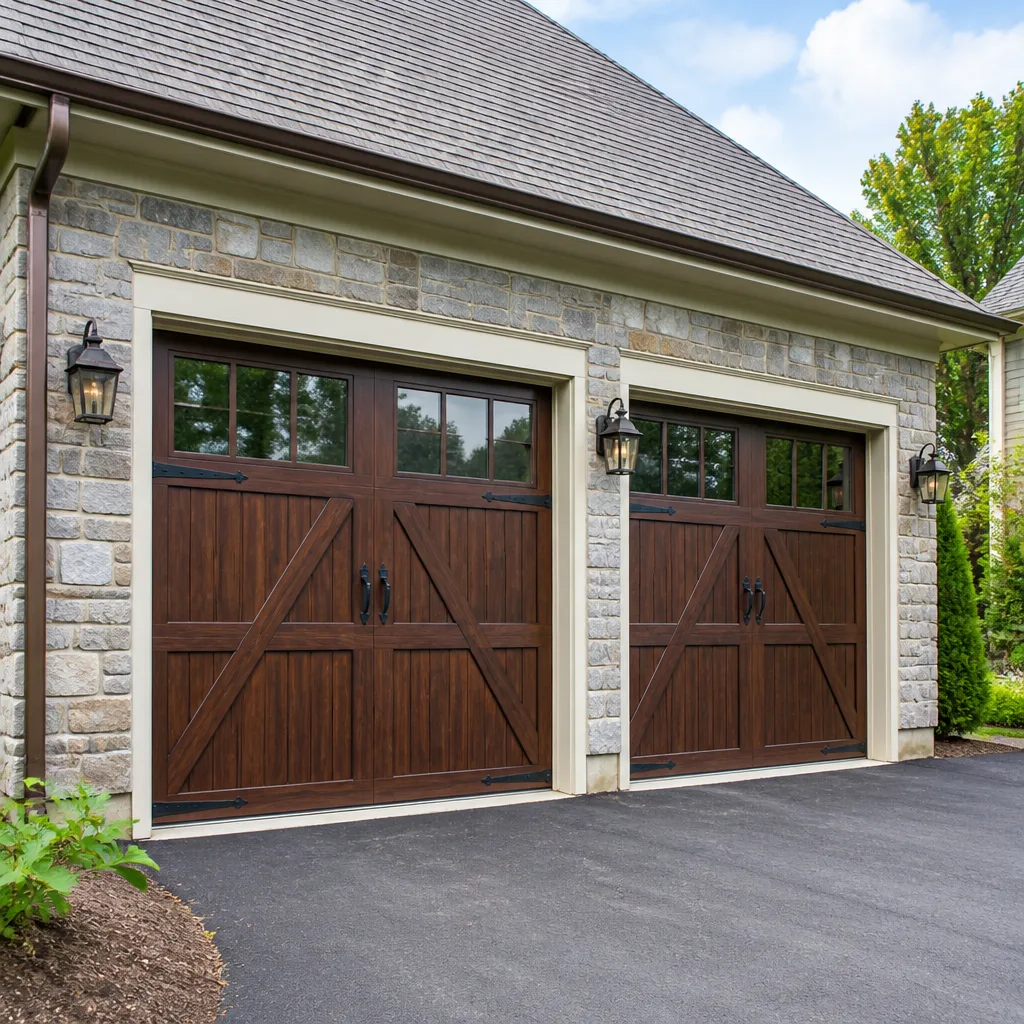 Carriage house
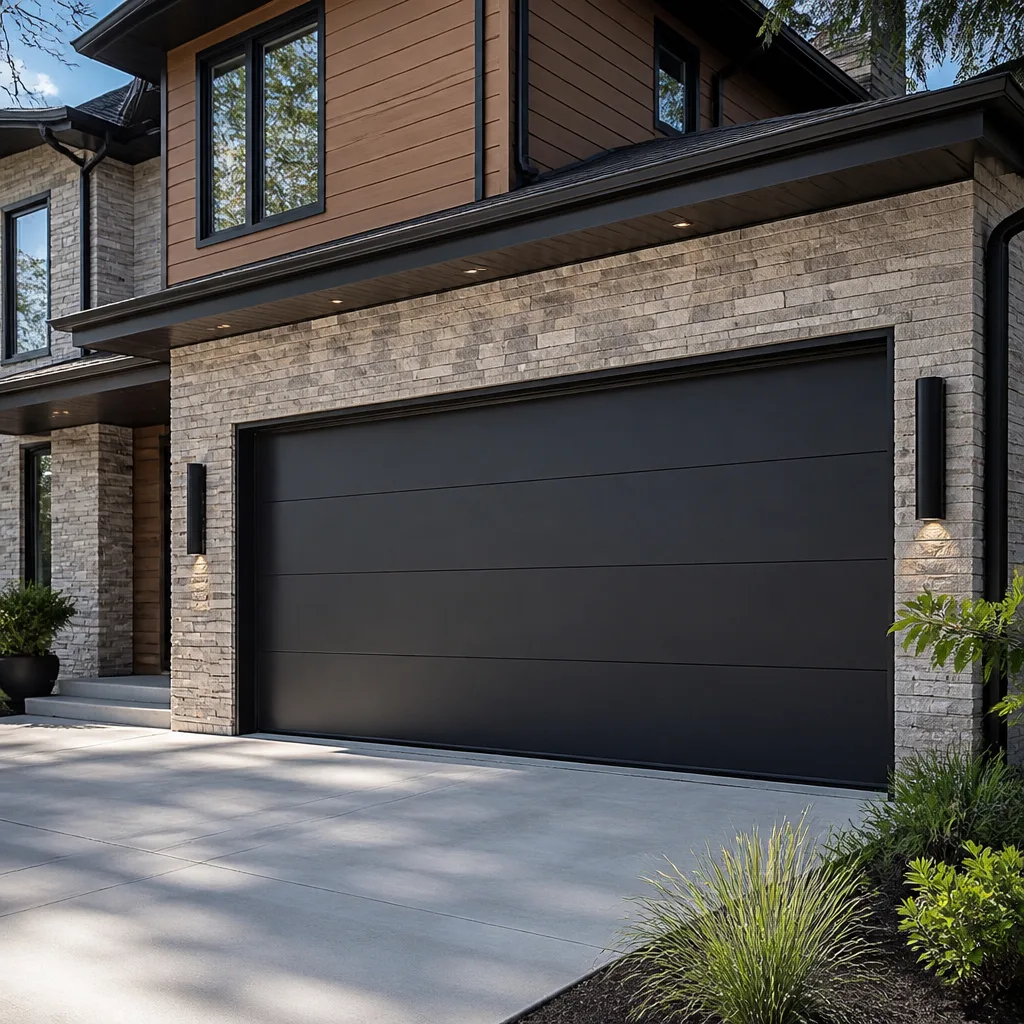 Modern flush
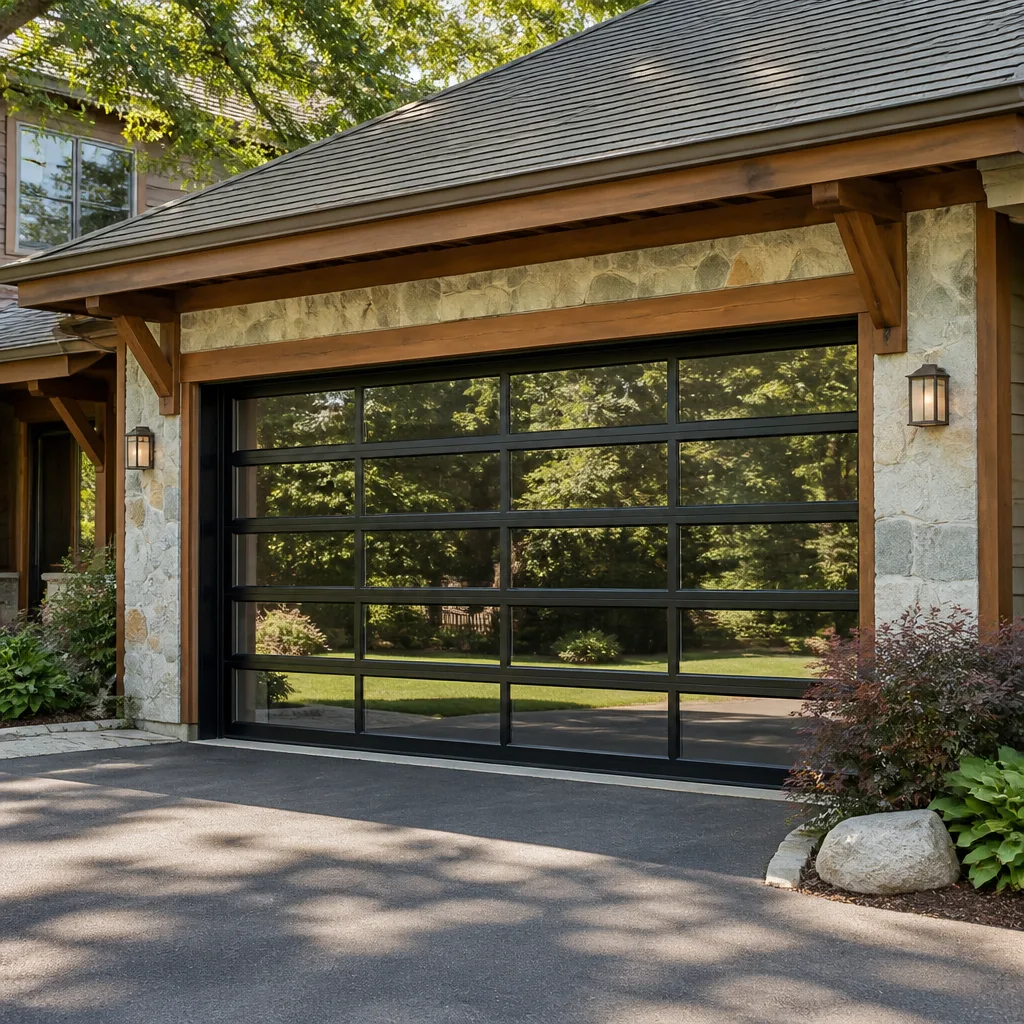 Full-view glass
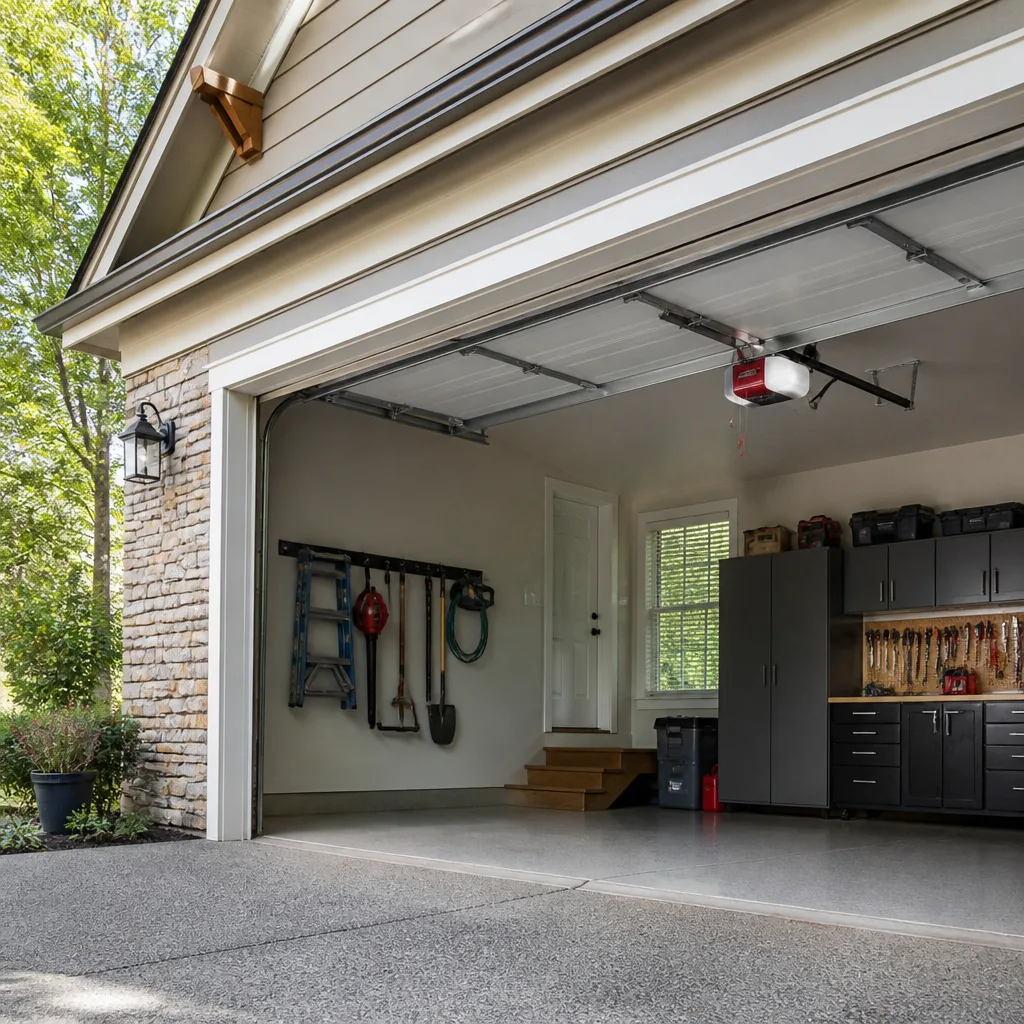 LiftMaster openers
 Chamberlain openers
Full 25-point door and opener safety check with every visit - springs, cables, rollers, tracks, and your LiftMaster or Chamberlain opener included
You get a price before we start. It does not change when the pro arrives.
Get your free estimateGarage Door Repair Troubleshooting in Palm Bay: Common Problems and How to Fix Them
A garage door that reverses before it closes isn’t broken. It’s doing exactly what it was programmed to do. The real problem is usually a misaligned safety sensor sitting a couple of inches off from where it should be, and realigning it takes about 30 seconds. Most homeowners in Palm Bay chase the symptom – the noise, the slowness, the gap at the bottom – instead of tracing it back to the mechanical cause underneath. This guide teaches you to read the door: what each sound and behavior actually means, how Florida humidity changes the diagnosis, and where the DIY ceiling sits between a five-minute fix and a job that needs a trained technician.
Quick Answer
Most garage door problems in Palm Bay come down to four root causes: misaligned safety sensors, worn rollers and hinges, a door that’s out of balance, or a failing spring or opener. Sensor alignment, lubrication, and limit adjustments are safe homeowner fixes. Spring, cable, and torsion work is not, and should go to a trained professional. If the door is stuck open, hanging unevenly, or making a loud bang, stop operating it and call for service.
Styles & brands we work with
- Raised-panel steel
- Carriage house
- Modern flush
- Full-view glass
- LiftMaster openers
- Chamberlain openers
Table of Contents
- Read the Door, Not the Symptom
- Symptom-to-Cause Map: What Your Door Is Telling You
- How Florida Humidity Affects Palm Bay Garage Doors
- The DIY Ceiling: What You Can Fix and What You Can’t
- The 60-Second Balance Test: Mechanical or Electrical?
- What to Document Before You Call for Repair
- When the Opener Is the Problem
- Common Mistakes to Avoid
- When to Call a Professional
- Frequently Asked Questions
Read the Door, Not the Symptom
A garage door is a system, not a single part. The opener lifts, the springs carry the weight, the cables keep tension even on both sides, the tracks guide travel, and the sensors watch the opening. When one part drifts, the door tells you through behavior. The trick is knowing which behavior maps to which part.
Here’s the mental model we use: the opener should only have to nudge the door, because the springs do the heavy lifting. If the springs are weak, the opener strains, the door runs slow, and eventually the motor burns out. If the cables are uneven, one side lags and the door racks sideways. If the rollers are dragging, everything gets loud. The symptom you notice first – the noise, the hesitation, the crooked close – is rarely the part that failed. It’s the part downstream of the failure.
Reading the door this way saves money in two directions. You don’t replace an opener when the real problem is a spring, and you don’t ignore a slow close that’s quietly wearing out a motor. This is the difference between same door, fixed right, and a cycle of repeat visits for the same complaint.
Symptom-to-Cause Map: What Your Door Is Telling You
Each common failure in Palm Bay points to a different root cause. Use this map to narrow it down before you touch anything.
Door reverses before closing
- Most likely cause: misaligned or dirty safety sensors, or a sensor knocked out of line by a bump.
- Second possibility: something blocking the photo-eye beam – a cobweb, a fallen leaf, a stored item in the path.
- Less common: a limit switch set too far, so the door thinks it has hit the floor before it has.
Loud grinding or scraping
- Most likely cause: dry or worn rollers, or hinges that have lost lubrication and are grinding against the track.
- Second possibility: a track that’s been bent or pushed out of alignment.
- Watch for: grinding that gets worse on one side only, which points to a track or roller issue rather than a general lubrication problem.
One side sags or the door closes crooked
- Most likely cause: a stretched or slipped cable on one side, which throws the tension off.
- Second possibility: a broken spring on a two-spring setup, where the remaining spring carries the load unevenly.
- Do not operate: a crooked door can jump the track. Stop and call for service.
Opener unresponsive
- Most likely cause: a dead remote battery, a tripped wall switch, or a power interruption to the opener unit.
- Second possibility: a failed logic board or a safety sensor that’s been misread as an obstruction.
- Check first: whether the wall button works while the remote doesn’t. That single test splits remote problems from opener problems.
We work on all the major opener and door brands you’re likely to have in Palm Bay – LiftMaster and Chamberlain among them – which means the diagnosis maps cleanly to the actual unit on your ceiling, not a guess based on a generic flowchart.
How Florida Humidity Affects Palm Bay Garage Doors
Palm Bay’s humidity does things to garage door hardware that national troubleshooting guides rarely mention. The air is heavy with moisture for much of the year, and a garage is one of the least climate-controlled spaces in the house. That combination accelerates wear in predictable ways.
Rust on steel components
Hinges, rollers, and track sections are the first to show surface rust. Left alone, rust stiffens the rollers and turns a quiet door into a grinding one. A light coat of garage-door lubricant on hinges and rollers goes a long way, and it’s one of the safest homeowner fixes on the list.
Swollen wood frames
If your door frame or jamb is wood, seasonal moisture makes it swell. A swollen frame can pinch the door’s travel, cause binding, and throw off the alignment of the safety sensors mounted to it. If your door drags at the top or bottom corners but runs fine in the middle of its travel, the frame is worth a look.
Sensor fog and condensation
Photo-eye lenses collect condensation on humid mornings, and a fogged lens reads as an obstruction. The door reverses, the homeowner assumes a major failure, and the actual fix is a wipe-down and a re-alignment. This is one of the most common false alarms we see in Palm Bay.
Lubricant choices matter
Not every lubricant belongs on a garage door. A proper garage-door lubricant stays put through humidity without attracting grit. Household oil sprays that seem fine in dry climates can turn gummy here. Use the right product and apply it sparingly to hinges, rollers, and the spring (springs get a light wipe, never a soak).
The DIY Ceiling: What You Can Fix and What You Can’t
Some garage door problems are genuinely homeowner-fixable. Others are dangerous enough that a trained technician should handle them, full stop. Here’s the line.
Safe homeowner fixes
- Sensor alignment: wipe the lenses, check that both sensors point at each other, and nudge them back into line. This alone resolves most reverse-before-closing complaints.
- Lubrication: a light application of garage-door lubricant on hinges, rollers, and the spring.
- Limit adjustment: the up and down travel limits on the opener can be adjusted per the manufacturer’s instructions if the door stops short or presses too hard.
- Remote and battery checks: fresh batteries, re-pairing the remote, and confirming the wall button works.
- Track cleaning: wiping debris and grit out of the track channels.
Leave these to a professional
- Spring replacement: the highest-tension, highest-risk repair on any garage door. A wound torsion spring stores enough energy to cause serious injury if it releases unexpectedly. Do not attempt this yourself.
- Cable work: cables are under constant tension and can whip loose. A slipped cable is a professional job.
- Track realignment: a bent or misaligned track can drop the door. This needs proper tools and technique.
- Panel replacement: a damaged section affects the door’s balance and needs to be matched and fitted correctly.
Springs are the most dangerous part of any garage door, and that’s why we treat spring work as its own dedicated service rather than a side task. If you’re not sure which side of the line your problem falls on, a quick call settles it.
The 60-Second Balance Test: Mechanical or Electrical?
Before you spend money on a repair, you can find out whether the problem is mechanical (the door and its hardware) or electrical (the opener). The balance test answers that in about a minute.
- Disconnect the opener. Pull the manual release cord so the door runs free of the motor.
- Raise the door to about waist height by hand. It should move smoothly and not fight you.
- Let go. A properly balanced door stays roughly where you left it. A door that drops fast has a spring problem. A door that’s very hard to lift has weak springs or dragging hardware.
- Lower it slowly and check the travel. If it binds, scrapes, or catches on one side, that’s a mechanical alignment or hardware issue.
- Reconnect the opener and run it once. If the door moved fine by hand but the opener struggles, the opener or its settings are the problem.
If the door passes the balance test but the opener won’t run it, the fault is in the opener – limits, sensors, logic board, or power. If the door fails the balance test, the fault is in the door itself, and no amount of opener adjustment will fix it. That split is what saves homeowners from replacing the wrong part. It’s also how we approach garage door opener repair in Palm Bay: test the door first, then the motor, because a strong opener can mask a weak spring for a while and then fail.
What to Document Before You Call for Repair
The difference between a firm quote and a vague “we’ll have to look at it” often comes down to what you tell the technician on the phone. A few notes taken before the call get you a more accurate estimate and a faster visit.
- The brand and model of your door and opener. A sticker on the opener housing and the door’s back page usually lists it. We work with Wayne Dalton, Craftsman, Raynor, LiftMaster, and several others, so naming the brand helps us arrive prepared.
- What the door does, step by step. “It reverses about a foot off the floor” is more useful than “it’s broken.”
- When it started and whether anything changed. A new noise after a storm, or a problem that appeared after a power cut, points in different directions.
- Whether both sides behave the same. A one-sided problem is a different diagnosis than a whole-door problem.
- Photos or a short video. A clear shot of the sensors, the springs, and the tracks lets us narrow it down before we arrive.
- Whether the door is currently safe to leave open or closed. If it’s stuck open and the house is unsecured, say so on the call.
Having this in hand turns the conversation from a mystery into a diagnosis. It also means the written estimate you receive is based on the real part, not a worst-case guess.
When the Opener Is the Problem
Openers fail in ways that look like door problems. The door lurches, the remote stops working, the lights flash, or the door runs an inch and stops. Most of these are opener issues, and many are fixable without replacing the unit.
Start with the simple checks: fresh remote batteries, a working wall button, and confirmation that the safety sensors are aligned and lit. If the wall button runs the door but the remote doesn’t, the problem is in the remote or the radio receiver, not the motor. If neither works, check the power and the opener’s own circuit. If the opener runs but the door barely moves, go back to the balance test – the opener may be fine and the door may be the problem.
Smart-home integration and modern opener platforms add another layer. LiftMaster and Chamberlain units with connected features can lose pairing after a power interruption or a router change, which looks like a dead opener but is a settings issue. Our technicians have up to 13 years of experience across these platforms and can usually tell you within minutes whether the unit needs a repair or a replacement. When the opener genuinely is done, moving to a new unit is straightforward, and we handle the installation on the same visit conversation – no second company to track down.
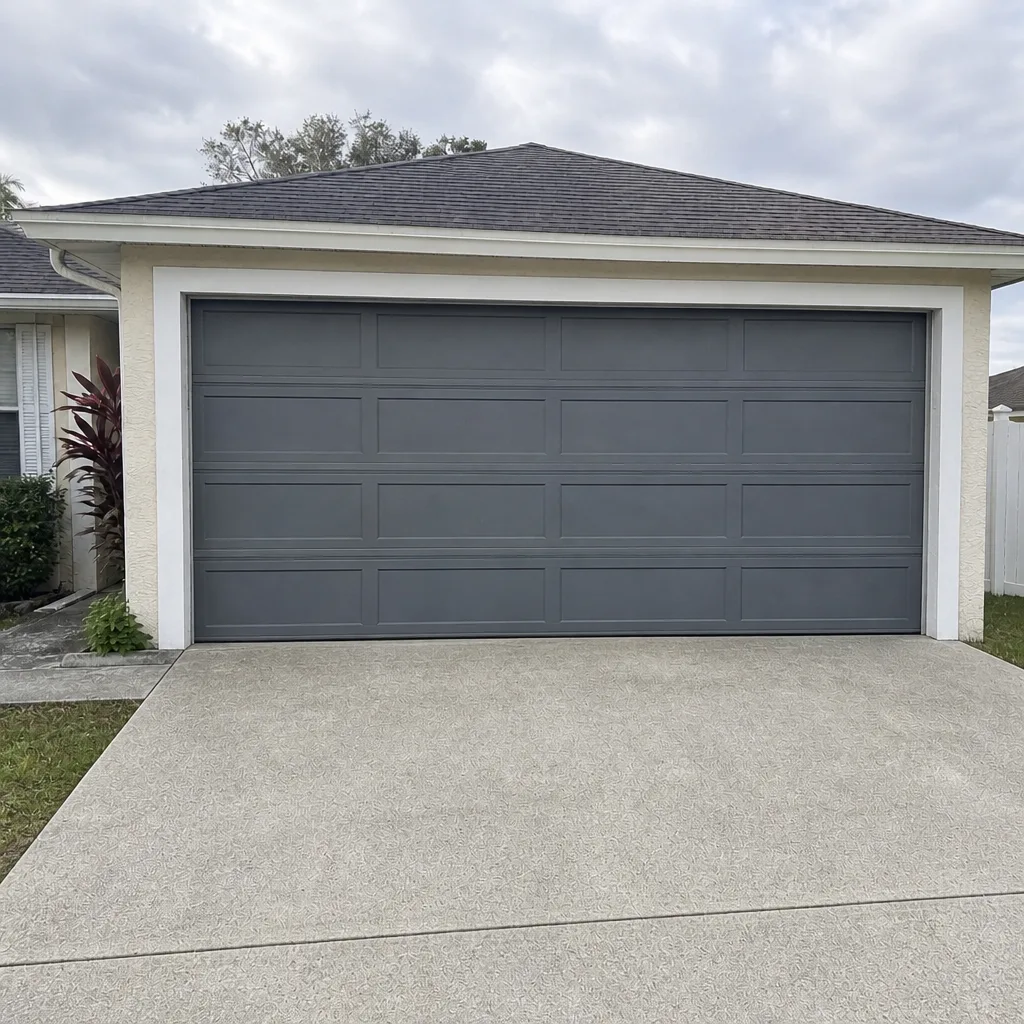
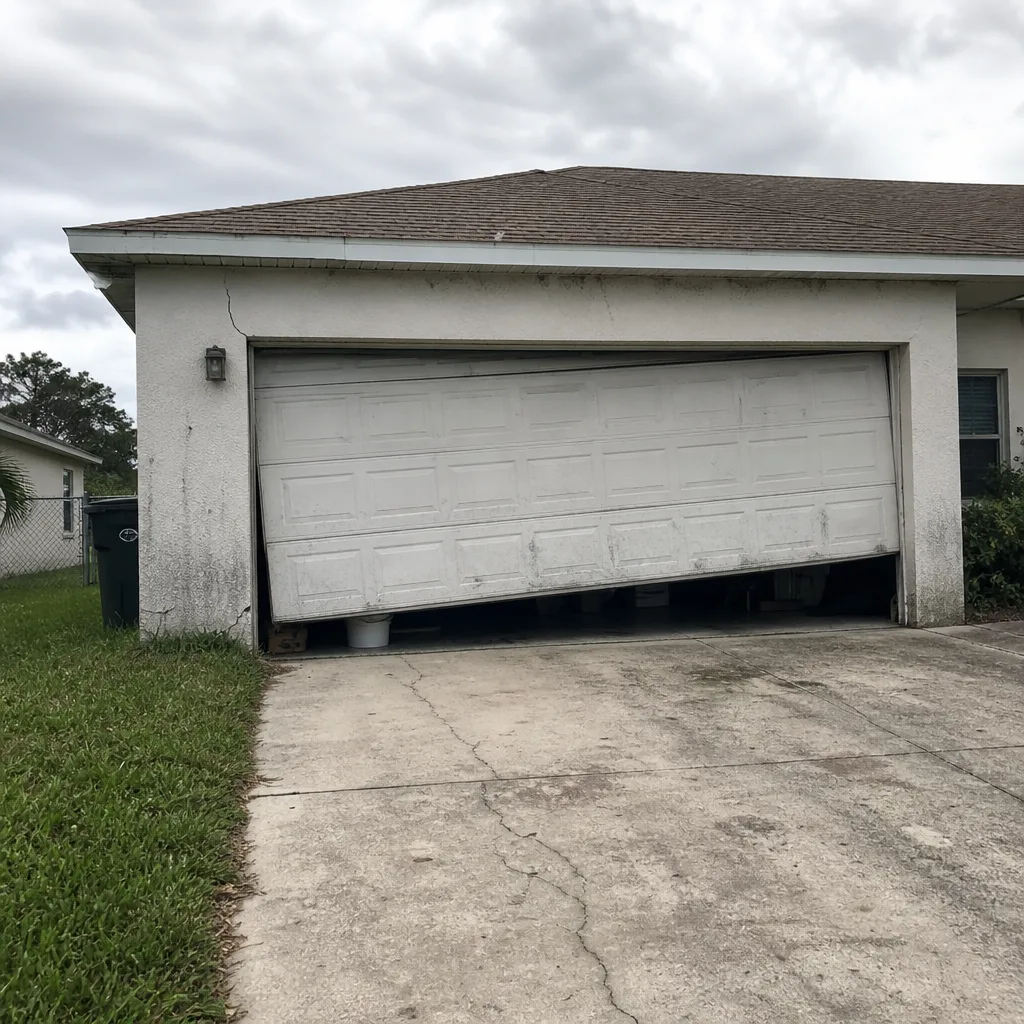
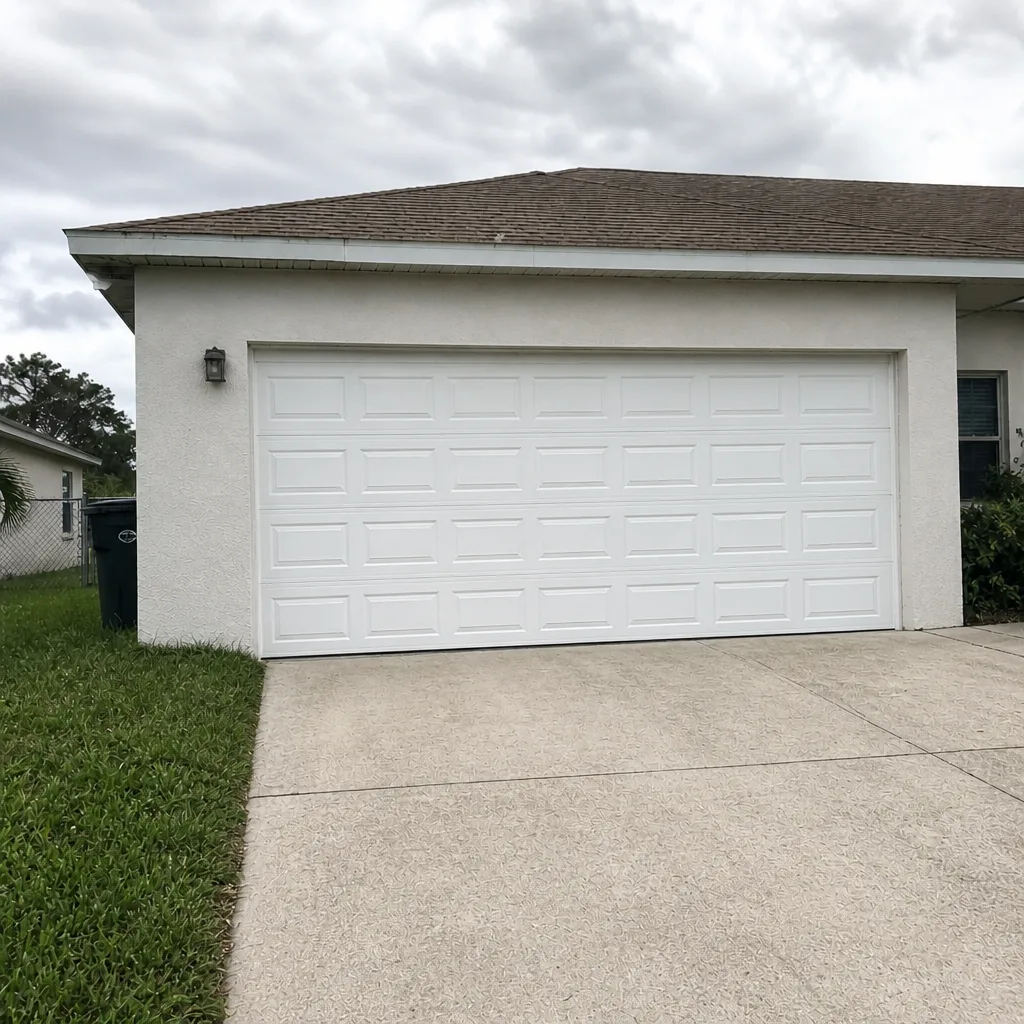
See the difference
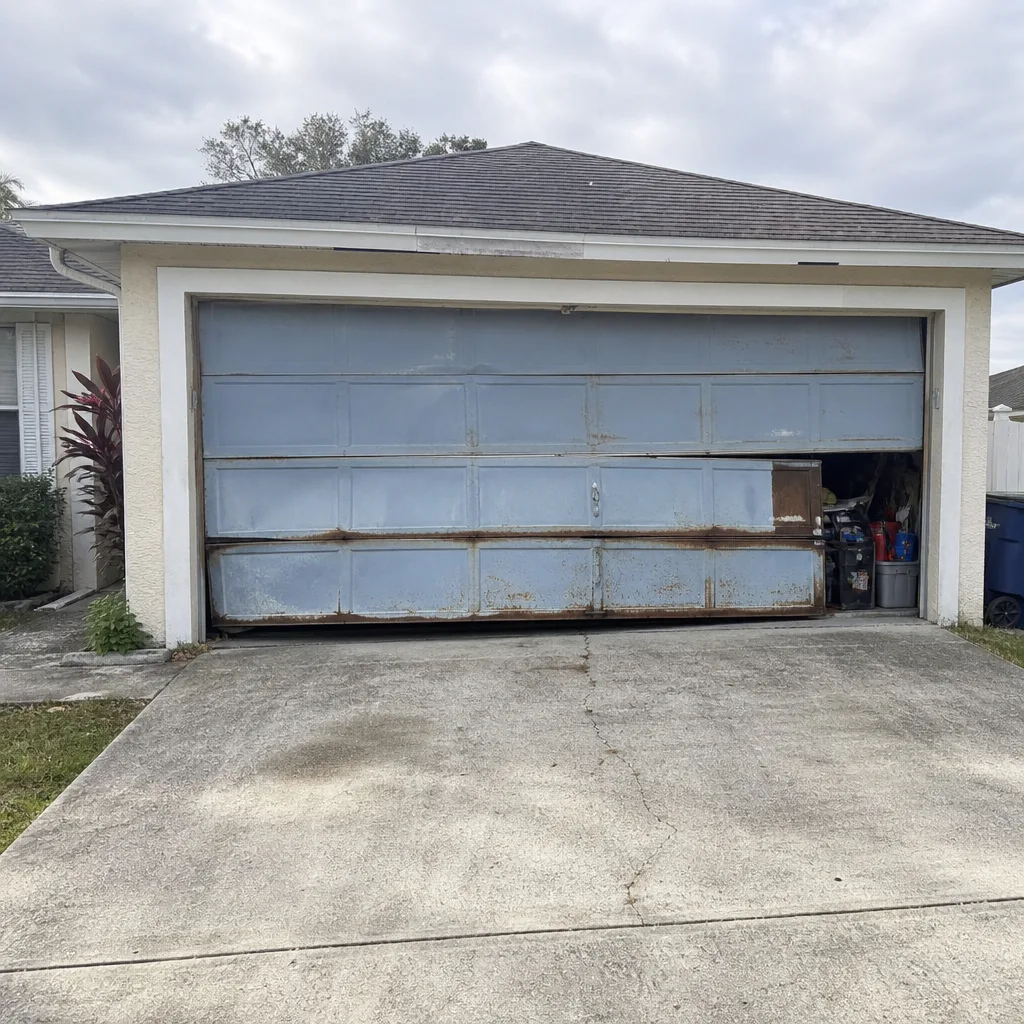 Before
 After
 Before
 After
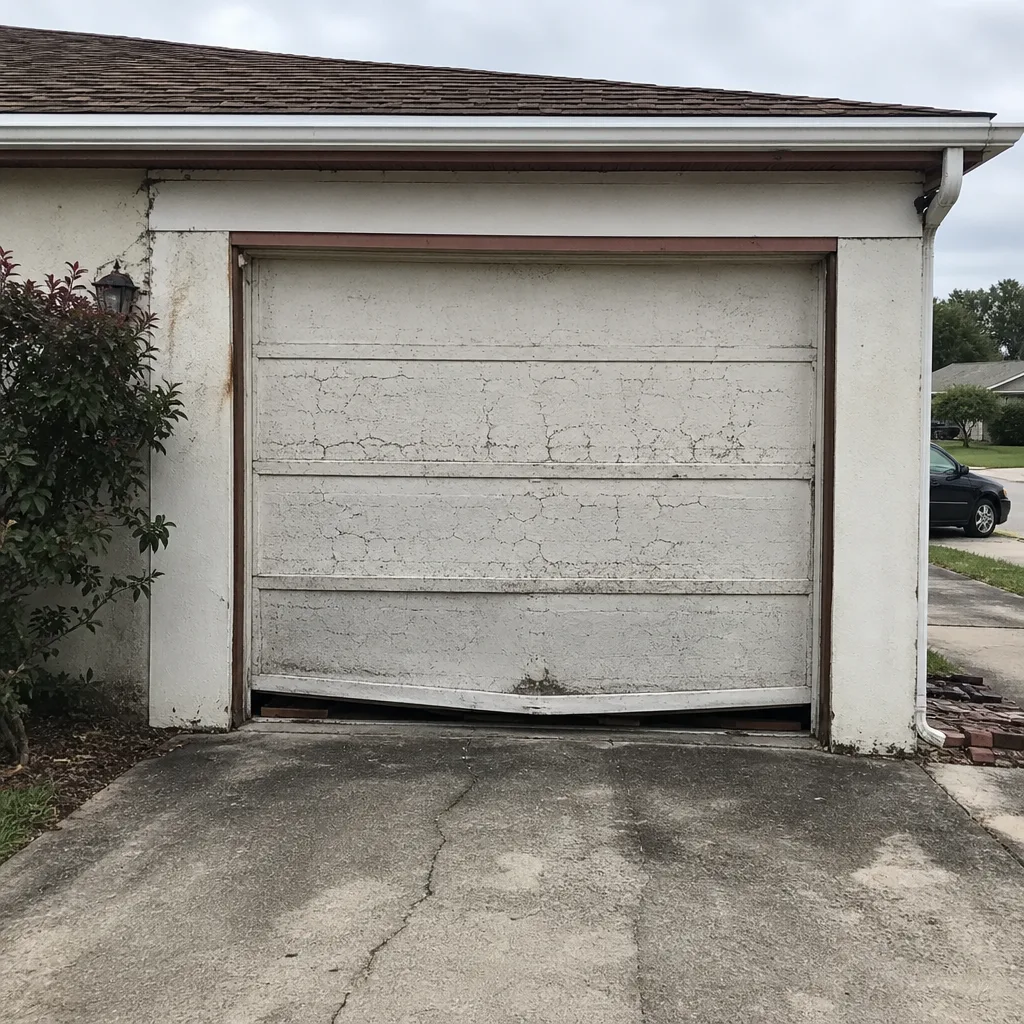 Before
 After
Common Mistakes to Avoid
- Forcing a door that’s stuck or crooked. Operating a door with a broken spring or slipped cable can drop it off the track and turn a repair into a replacement. Stop and call.
- Replacing the opener when the spring is weak. A strained motor is often a symptom of a door that’s out of balance. Test the door first, or you’ll pay to replace a part that was fine.
- Ignoring a slow close. A door that’s been slow for months is quietly wearing out the opener. In Palm Bay’s humidity, slow often means stiff hardware or a weakening spring, and both get worse.
- Over-lubricating. Too much lubricant attracts grit and can gum up the track. A light, correct application beats a heavy one.
- Assuming a reversing door needs a new sensor. Nine times out of ten it’s alignment or a dirty lens, not a failed part. Wipe and re-align before you buy anything.
- Mismatching a replacement panel. A new section that doesn’t match the door’s weight and profile throws off the balance. Panel work needs the right fit.
- Calling a generalist for spring or cable work. This is a single-trade job. A handyman service that treats garage doors as a side task isn’t set up for the tension and risk involved.
When to Call a Professional
Call for service if the door reverses and sensor alignment doesn’t fix it, if one side sags or the door closes crooked, if you hear a loud bang from the springs, if the door is stuck open and the house is unsecured, or if the balance test shows the door is fighting you. Any spring or cable issue is a professional call by definition. When the door won’t move, we do: our garage door repair covers the full range from a single sensor fix to a full panel or spring replacement, and emergency service is available when a failure leaves the house exposed.
Palm Bay Garage Door Repair Co offers free estimates in Palm Bay. Call (833) 762-4168. We answer 24/7. Fast dispatch from 7am to 7pm, Sunday through Friday. The price is quoted and agreed before any work starts, so the written estimate is the price you’ll pay.
Frequently Asked Questions
It reverses because the safety sensors think something is in the way – usually a misaligned sensor, a dirty lens, or condensation fogging the photo-eye. Wipe both lenses, check that the sensors point directly at each other, and re-align any that are off. If that doesn’t fix it, the limit switch may be set too far. Call (833) 762-4168 if the door still reverses after you’ve checked the sensors.
Spring repair is priced per spring, and a matched pair is usually replaced together, so a pair runs about twice the single-spring estimate. Because the exact price depends on the spring type, door weight, and setup, we give a written estimate before any work begins. Palm Bay Garage Door Repair Co offers free estimates – call (833) 762-4168 for an exact quote. Springs are the most dangerous part of the door, so this is one repair we always recommend leaving to a trained technician.
No. A wound torsion spring stores enough energy to cause serious injury if it releases unexpectedly, and the risk isn’t worth it. Spring replacement is a dedicated service for a reason, and it’s the one repair we firmly advise against DIY. Call a professional.
Run the 60-second balance test: pull the manual release, lift the door to waist height by hand, and let go. If it stays put and moves smoothly, the door is fine and the opener is the problem. If it drops or fights you, the door’s hardware needs attention. That test tells you which half of the system to focus on before you spend anything.
Yes, same-day service is available for time-sensitive failures like a door stuck open and leaving the house unsecured. We answer 24/7 and dispatch from 7am to 7pm, Sunday through Friday. Call (833) 762-4168 and describe what the door is doing so we arrive ready.
We work on the brands most Palm Bay homes have, including LiftMaster, Chamberlain, Wayne Dalton, Craftsman, Raynor, Genie, Clopay, and Amarr. Our technicians have up to 13 years of experience across these systems, so the diagnosis fits the actual unit, not a generic guess. Tell us the brand when you call and we’ll confirm.
The Bottom Line
The door is telling you what’s wrong – you just have to read it correctly. Reverse-before-closing usually means sensors, not a dead opener. Grinding means rollers and lubrication. A sagging side means cables or springs. The balance test splits mechanical from electrical in under a minute, and knowing that split keeps you from replacing the wrong part. Stay within the DIY ceiling – sensors, lubrication, limits – and hand spring, cable, and track work to a professional. Document the symptoms before you call so your estimate is accurate. From opener remote to full panel replacement, we handle it. Call (833) 762-4168 for a free estimate in Palm Bay.
Written by the team at Palm Bay Garage Door Repair Co.