
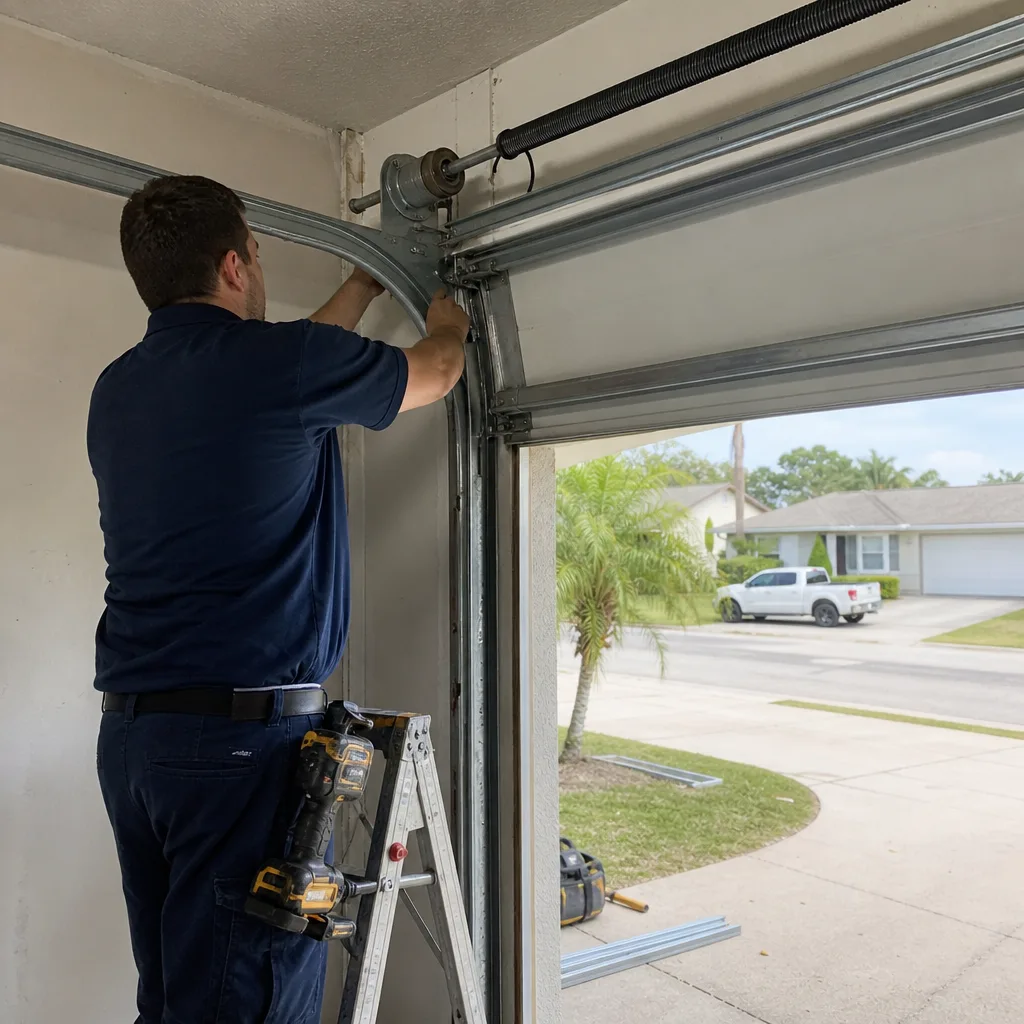
Last updated November 21, 2026
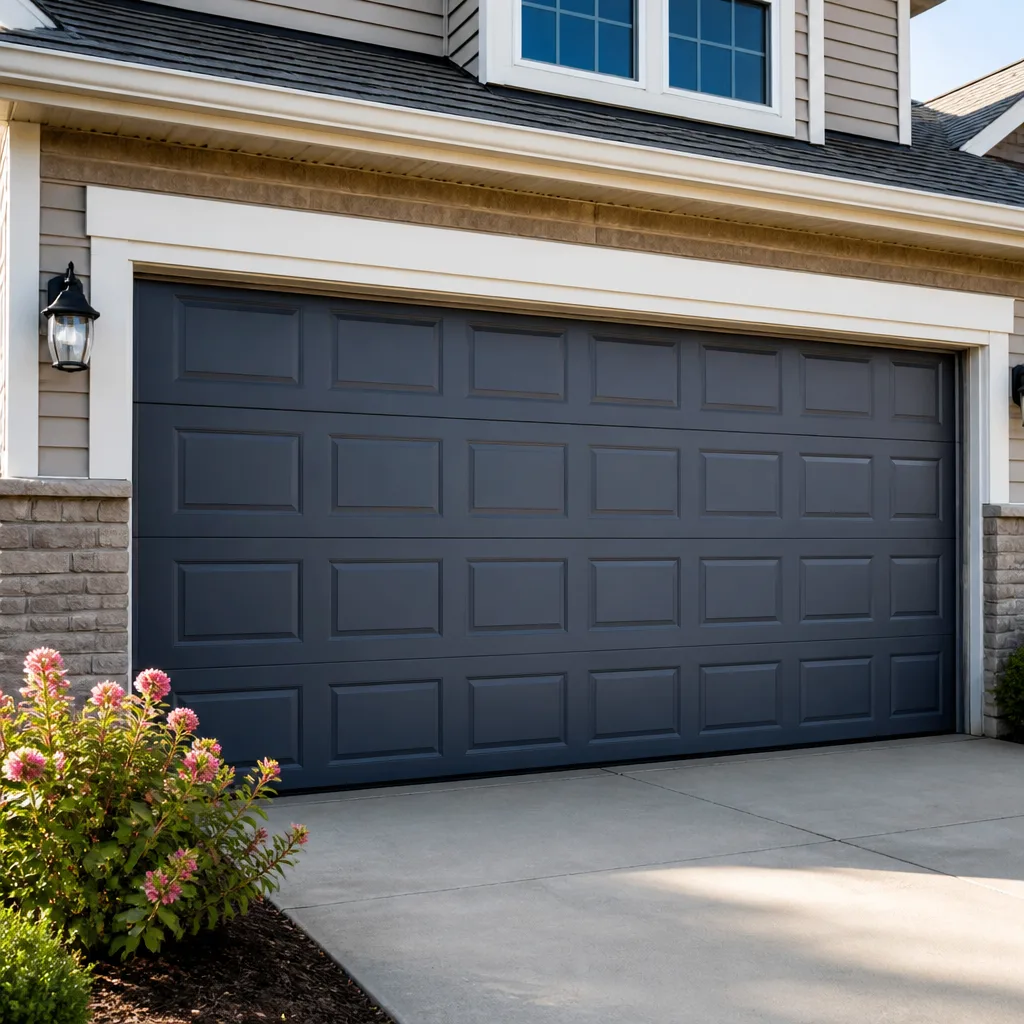 Raised-panel steel
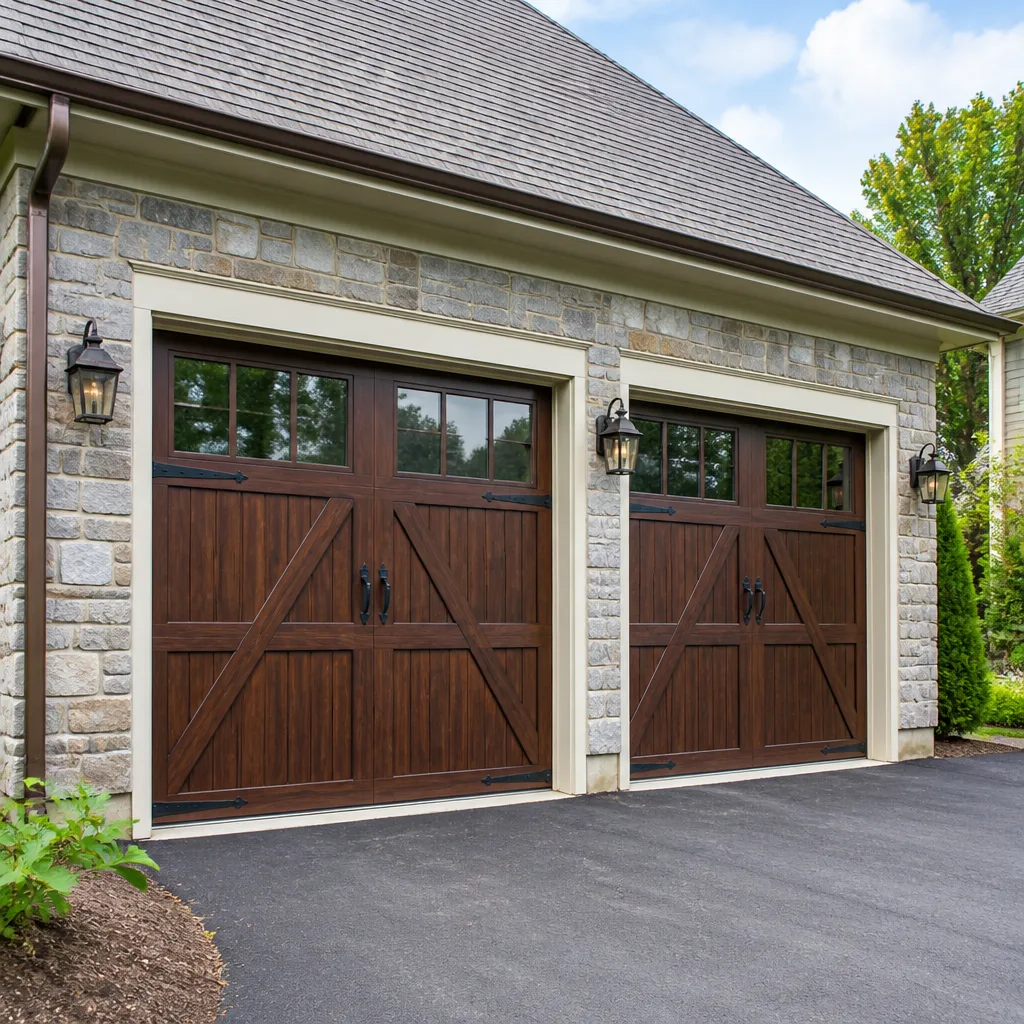 Carriage house
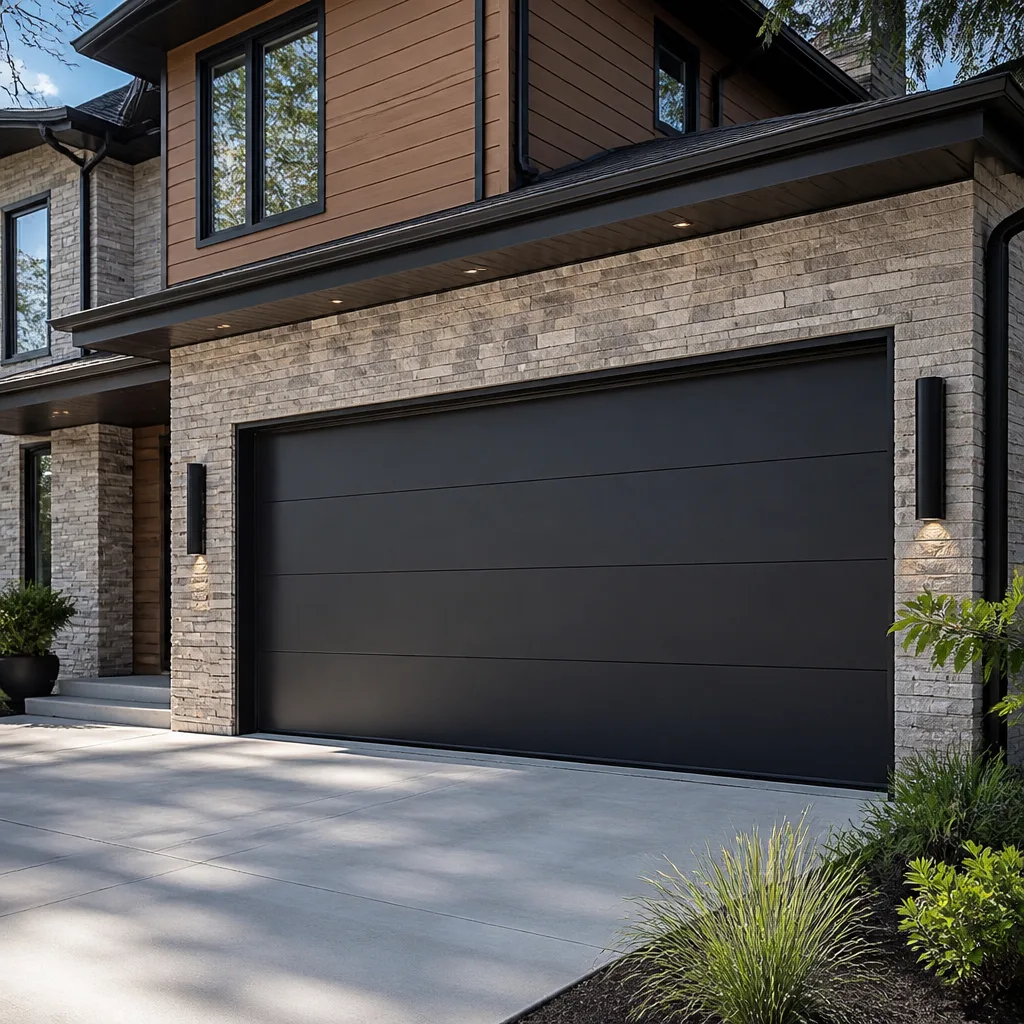 Modern flush
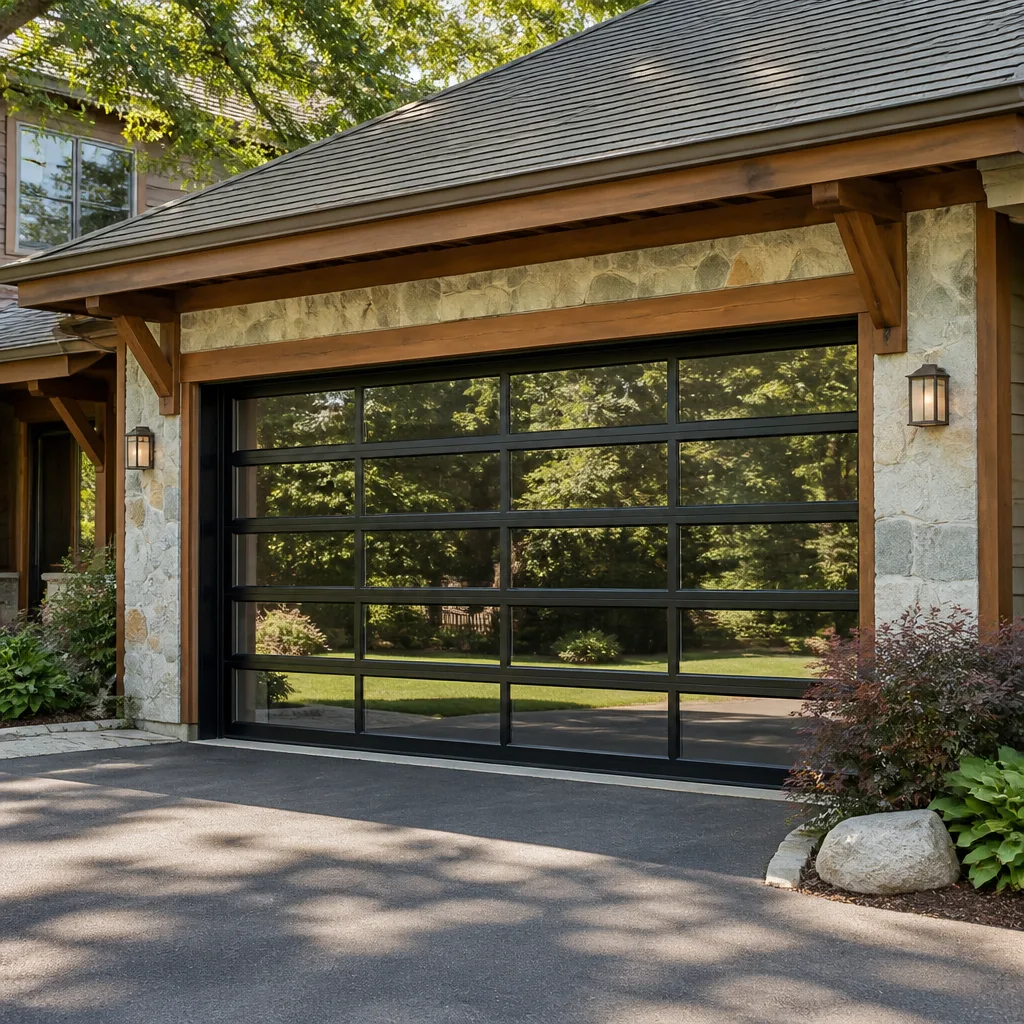 Full-view glass
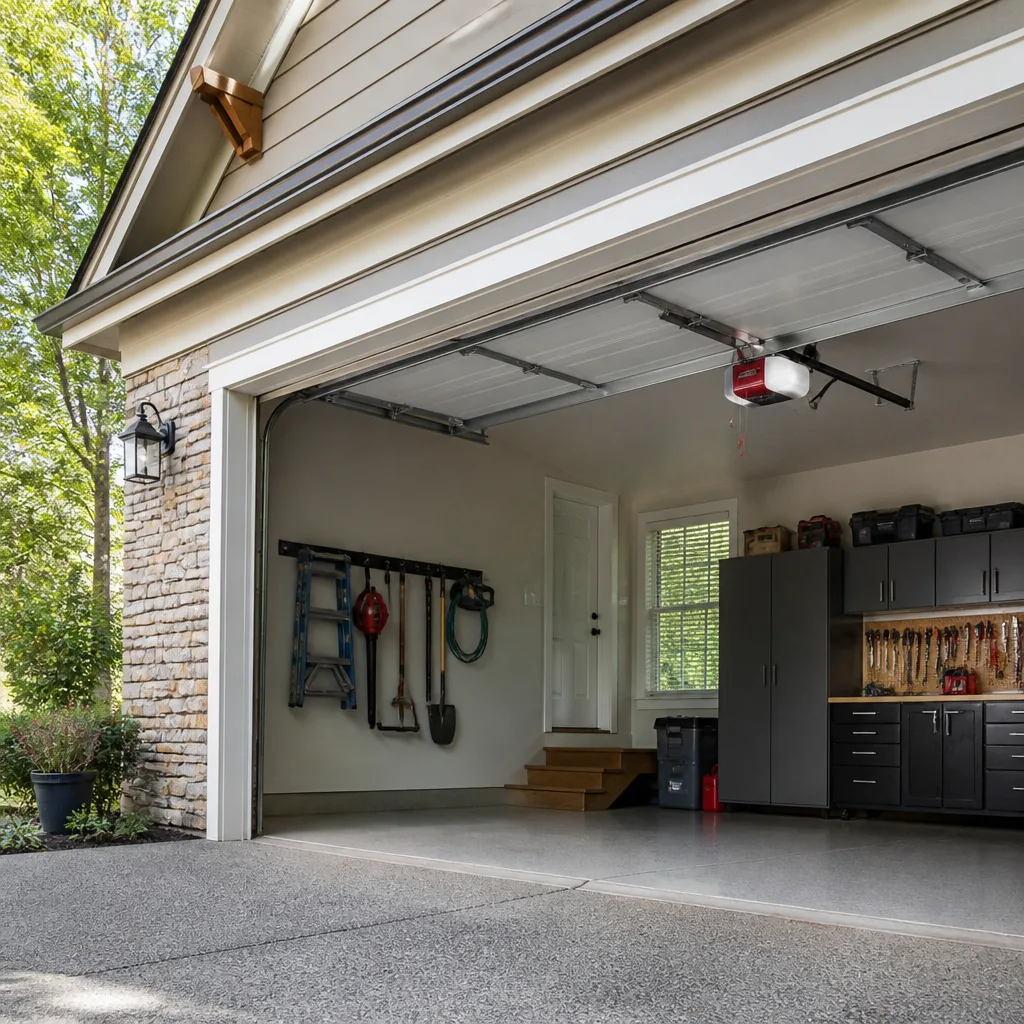 LiftMaster openers
 Chamberlain openers
Full 25-point door and opener safety check with every visit - springs, cables, rollers, tracks, and your LiftMaster or Chamberlain opener included
You get a price before we start. It does not change when the pro arrives.
Get your free estimateGarage Door Emergency Preparedness Guide for Palm Bay Homes
Most homeowners treat their garage door like a wall. It goes up, it comes down, and nobody thinks about it until the morning it stops halfway and leaves the car trapped inside. The counterintuitive truth is that the worst moment to learn how your door’s manual release works is during a thunderstorm warning with the power already flickering. In Palm Bay, door failures tend to cluster into two families: storm-driven problems and ordinary mechanical breakdowns that strand you on the wrong side of your own home. This guide walks you through both, step by step, so the next failure is an inconvenience instead of a crisis.
Quick Answer
A garage door emergency in Palm Bay usually means one of two things: a mechanical failure (snapped spring, dead opener, off-track door) or storm damage from a hurricane or strong squall line. Your first move in either case is to stop operating the door, keep people clear of it, and confirm whether the manual release can be pulled safely. Then call (833) 762-4168. We answer 24/7, with fast dispatch from 7am to 7pm, Sunday through Friday.
Styles & brands we work with
- Raised-panel steel
- Carriage house
- Modern flush
- Full-view glass
- LiftMaster openers
- Chamberlain openers
Table of Contents
- Before Anything Fails: What Every Palm Bay Home Should Have Ready
- How to Use the Emergency Manual Release Safely
- Everyday Mechanical Failures: Springs, Openers and Off-Track Doors
- Hurricane Preparedness for Your Garage Door
- When a Vehicle Is Trapped Inside or Outside
- Evaluating Post-Storm Damage: Cosmetic vs. Unsafe
- Common Mistakes to Avoid
- When to Call a Professional
Before Anything Fails: What Every Palm Bay Home Should Have Ready
Response time in a garage door emergency comes down to information. When we take a call, the two questions that decide everything are “what door is it” and “what opener is it.” A homeowner who can answer both in ten seconds gets a faster, cleaner estimate than one who has to climb a ladder in the dark to read a label. Palm Bay homes sit on a wide mix of door ages, from newer impact-rated panels to older single-wall doors in established neighborhoods, so brand and model actually matter.
Put this together before you need it:
- Door model and size. Look for a sticker on the inside of the door panel or on the bottom section. Note the width and height too. A Clopay or Amarr label tells us exactly which spring and hardware set the door was built for.
- Opener make and model. The label is on the back or side of the motor housing. Chamberlain and Genie are the two most common units across Palm Bay, but we work on all the major platforms.
- Installer name if you have it. It rarely changes the repair, but it can point to which vintage of hardware is on the door.
- A photo of the full door, taken from inside the garage. Keep it on your phone. Springs, cables, hinges and track are all visible in one frame.
- Basic tools: a stepladder, a pair of locking pliers, and a flashlight that lives in the garage rather than the kitchen drawer.
- One number to call. Save (833) 762-4168 in your contacts under “Garage Door.” In a real emergency you will not want to search.
This takes fifteen minutes once. Nothing on that list requires you to touch a spring or a cable, and that’s deliberate. The information is what shortens the job, not a toolkit full of risky shortcuts.
How to Use the Emergency Manual Release Safely
The manual release disconnects the door from the opener so you can lift it by hand. It’s the single most misunderstood piece of hardware on a garage door, and the mistakes people make with it are the ones that cause doors to slam. Before you pull anything, understand what you’re actually releasing. On a door with a broken spring, the door can be far heavier than its normal weight, and the opener is often the only thing holding it up. Pull the release and it can drop.
Here is the sequence that keeps you out of that situation:
- Close the door first if you can. With the door fully down, there’s no stored energy waiting to fall. Only pull the release with the door in the closed position unless you have no other choice.
- Check for a broken spring before anything else. A visible gap in the coil above the door means the spring has failed. Do not raise the door. It is now much heavier than it looks and can come down fast.
- Stand clear of the door’s path. Never stand directly under a door you are about to move manually, and keep children and pets out of the garage.
- Pull the release handle straight down, firmly, once. The cord hangs from the opener trolley. A slow, steady pull disengages the trolley. Yanking it does nothing extra and can damage the mechanism.
- Lift with your legs, in the center of the door. Use the bottom section’s handle. If it feels unnaturally heavy, put it back down immediately. That heaviness is your warning that a spring is compromised.
- Re-engage the trolley before you leave. Once the door is back down, pull the release cord toward the opener until the trolley clicks back into the carriage. Skipping this is why people come home to an opener that hums but does nothing.
One more note: some openers, including certain Chamberlain units with a slide-lock feature, engage a lock automatically in the down position. You may need to re-engage the opener before the release will work cleanly. If it doesn’t disengage, don’t force it. We answer 24/7 and can talk you through what you’re seeing.
Everyday Mechanical Failures: Springs, Openers and Off-Track Doors
Most garage door emergencies in Palm Bay have nothing to do with weather. Springs fatigue, openers die, and doors jump track because a roller wore out. Our garage door spring repair service exists because torsion springs are the most dangerous component on the whole door. They’re under extreme tension, and a snap sounds like a gunshot. If you hear that sound, the door will not open normally again until the spring is replaced.
What the common failures look like:
- Broken torsion spring: A loud bang, a door that won’t lift, or a door that lifts a foot and stops. The opener may still run, but the door won’t follow. This is not a DIY repair.
- Broken extension spring: Common on older single-piece doors. You’ll see a separated spring with a dangling cable. The door becomes dangerously heavy.
- Dead opener: Light works but the door doesn’t move, or the motor hums without lifting. Often a stripped gear or a failed logic board, not a power problem.
- Off-track door: One side of the door is out of the track and the panel is skewed. Do not run the opener. You can bend panels or tear the opener’s carriage apart.
- Photo-eye or safety sensor failure: The door reverses immediately or won’t close at all. Sometimes it’s a misaligned sensor, sometimes a wiring issue.
Our garage door opener repair handles the electronics side, from a dead LiftMaster logic board to a Genie remote that won’t pair. Smart-home integration is often the real complaint: the app says the door is closed when it isn’t, or the Wi-Fi module dropped off the network. That’s an opener repair, not a door repair, and you should know which you’re facing before calling.
Springs are the one part of this list you should never try to fix yourself. A torsion spring holds enough stored force to break a bone, and the winding process requires specific bars and a specific technique. If a spring is broken, keep the door down and call us. That’s what our garage door repair service is for.
Hurricane Preparedness for Your Garage Door
The garage door is the largest opening in most Palm Bay homes, and in a hurricane it’s also the weakest. Wind pressure on a garage door builds fast, and once a door fails, the pressure equalizes inside the house and the roof becomes vulnerable. That’s why the “just lock it and hope” approach doesn’t hold up in Brevard County’s wind zones. A standard non-impact-rated door simply isn’t built to take the load.
If you have a non-rated door, your realistic options before a storm are:
- Brace horizontally with lumber. Cut 2x4s to fit horizontally across the inside of the door, resting against the door’s vertical stiles and the wall. This adds resistance, not a guarantee.
- Use a manufactured bracing kit. These are designed for specific door widths and install in a few hours. Choose one rated for the door you own.
- Post-and-panel shields. Commercial spring-loaded posts and panels are the most serious option, but they need anchors installed in the slab.
- Consider an impact-rated replacement. The only real fix for a non-rated door in a hurricane zone is a door built to meet the wind rating for your area. That’s a measured, ordered, scheduled job, not a same-day fix.
Before the storm arrives, test your door by hand with the opener disconnected. It should open and close with one hand. If it’s already stiff or binding, that door is more likely to fail under pressure. Check the tracks for dents and the hinges for looseness. Any door that’s already misbehaving is a bad candidate for a storm. Schedule a free measure and written quote now rather than in the middle of a forecast.
When a Vehicle Is Trapped Inside or Outside
A trapped car changes the calculation. You have a kid at school, a shift starting, or a patient transport to get to. The instinct is to force the door. That’s almost always the wrong move. A door that won’t lift normally is telling you a spring or opener has failed, and forcing it can send a panel down on top of you or bend the track beyond repair.
Work through this order:
- Stop and move people away from the door. Cars stay put. Nobody stands under the door while you diagnose.
- Confirm the opener’s status. Look for an engaged lock light, a blinking ceiling unit, or a wall switch that’s unresponsive. If the opener is simply unplugged or tripped on its breaker, that’s the whole problem and the fix takes a minute.
- Check for a broken spring before using the release. If the spring is broken, do not manually lift the door. Arrange alternate transport for the day and call for a repair.
- If the spring is intact and the opener is dead, use the manual release with the door closed, then lift slowly from the center. If the door moves with normal weight, you can typically get the car out and close it deliberately after.
- Never drive through a partially open door. This is how panels get peeled off and openers get destroyed.
- Call (833) 762-4168. We answer 24/7 and can usually talk you through the diagnosis over the phone so you’re not guessing.
If the car is outside and the door won’t open, everything on that list reverses except one rule: never pull the release on a door that’s up on the track and then walk away. Re-engage the trolley before you turn your back on it.
Evaluating Post-Storm Damage: Cosmetic vs. Unsafe
After a storm clears, resist the urge to press the opener “just to see.” A door that took wind load may look fine and be structurally compromised, and running it can finish the job. Walk outside and inspect from a distance before you touch anything.
Usually cosmetic: Light surface scuffs, small dents in the bottom panel, or paint damage on the outer skin. These don’t affect how the door moves, though a deep dent in a steel panel can eventually crease and lead to panel replacement.
Treated as unsafe until a professional sees it:
- Any bent or separated track, even slightly.
- Panels that are out of line with each other, or a door that’s sitting crooked in the opening.
- A door that lifted off the ground on one side or is bowed outward at the center.
- Any visible spring separation, cable fray, or dangling hardware.
- A door that won’t close flush against the floor.
If you see anything on the unsafe list, keep the door down and keep the opener off. Call us for an assessment. Clopay and Amarr panels can often be replaced individually, which is cheaper than a full door. If the door is a non-rated model that lived through a real storm event, that’s the moment to talk about an impact-rated replacement rather than patching the same weakness back in.
Common Mistakes to Avoid
- Pulling the manual release on a door that’s already up with a broken spring. That combination is what slams doors. Always close the door first if you can.
- Trying to force a stuck door with the opener. The opener isn’t the problem, and forcing it strips gears and burns out the motor. Diagnosis comes first.
- Standing under the door during a manual lift. A door on a broken spring can fall without warning. Work from the side, never underneath.
- Assuming a “just lock it” hurricane strategy protects you. A lock does nothing against wind pressure on a non-rated door in a Brevard County wind zone. Bracing or an impact-rated door is the actual answer.
- Calling a general handyman. A handyman can hang a door; a garage door specialist knows spring torque, opener models, and the brand-specific parts that make a repair last. Small difference, big outcome.
- Not knowing your door and opener model. A homeowner with a model number gets a faster estimate and fewer wasted trips. Get the label before you call.
- Continuing to use a door that jumped track. Every cycle makes the damage worse and can bend the panels beyond salvage. Stop using the door and call.
When to Call a Professional
Call us when a spring snaps, when the opener runs but the door doesn’t, when the door jumps track, when it’s been exposed to a storm and looks out of line, or when a vehicle is trapped and the manual release isn’t behaving the way it should. Those are all cases where trying to fix it yourself risks injury or turns a repair into a full replacement. Fortunately, a lot of the work we do is straightforward once we’re on site, and the estimate is free and set in writing before we start, so you know the number before anything is touched.
Palm Bay Garage Door Repair Co offers free estimates in Palm Bay. Call (833) 762-4168. We answer 24/7, with fast dispatch from 7am to 7pm, Sunday through Friday. When the door won’t move, we do.
See the difference
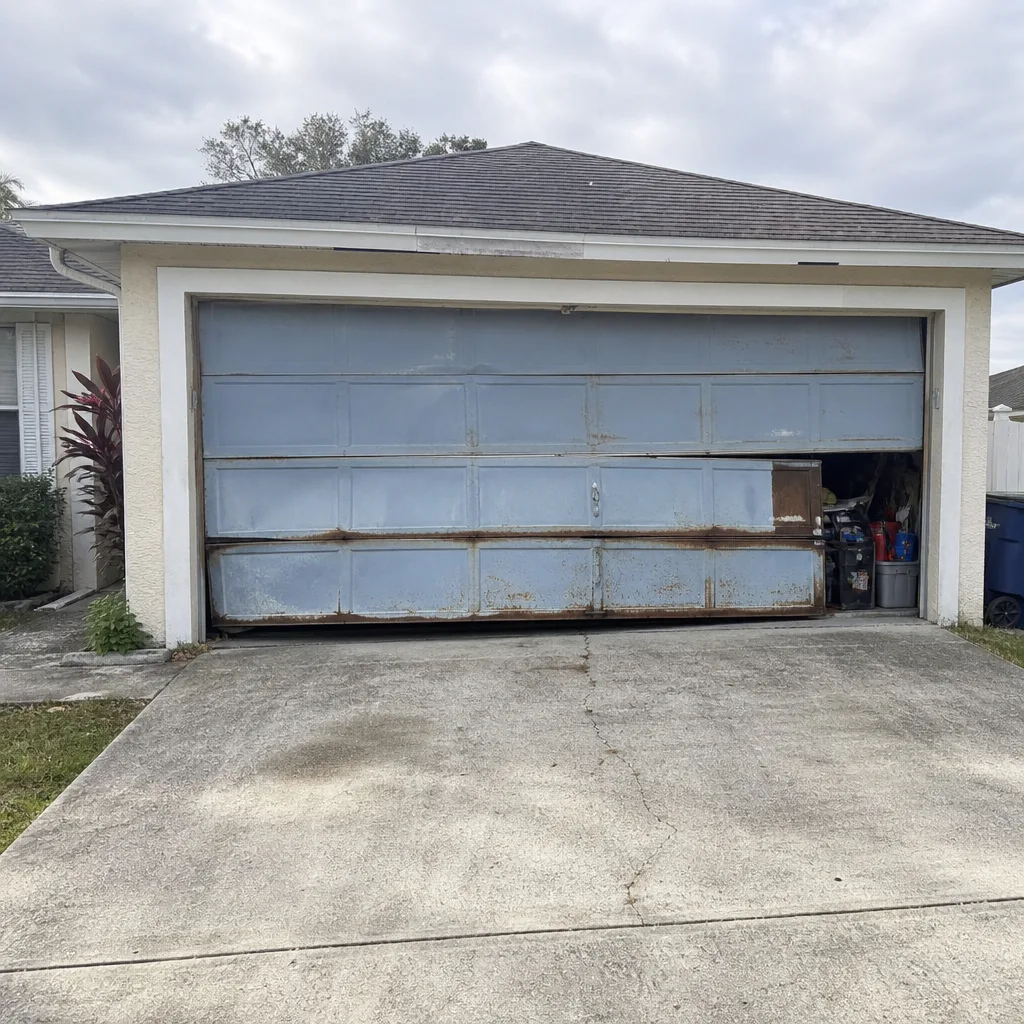 Before
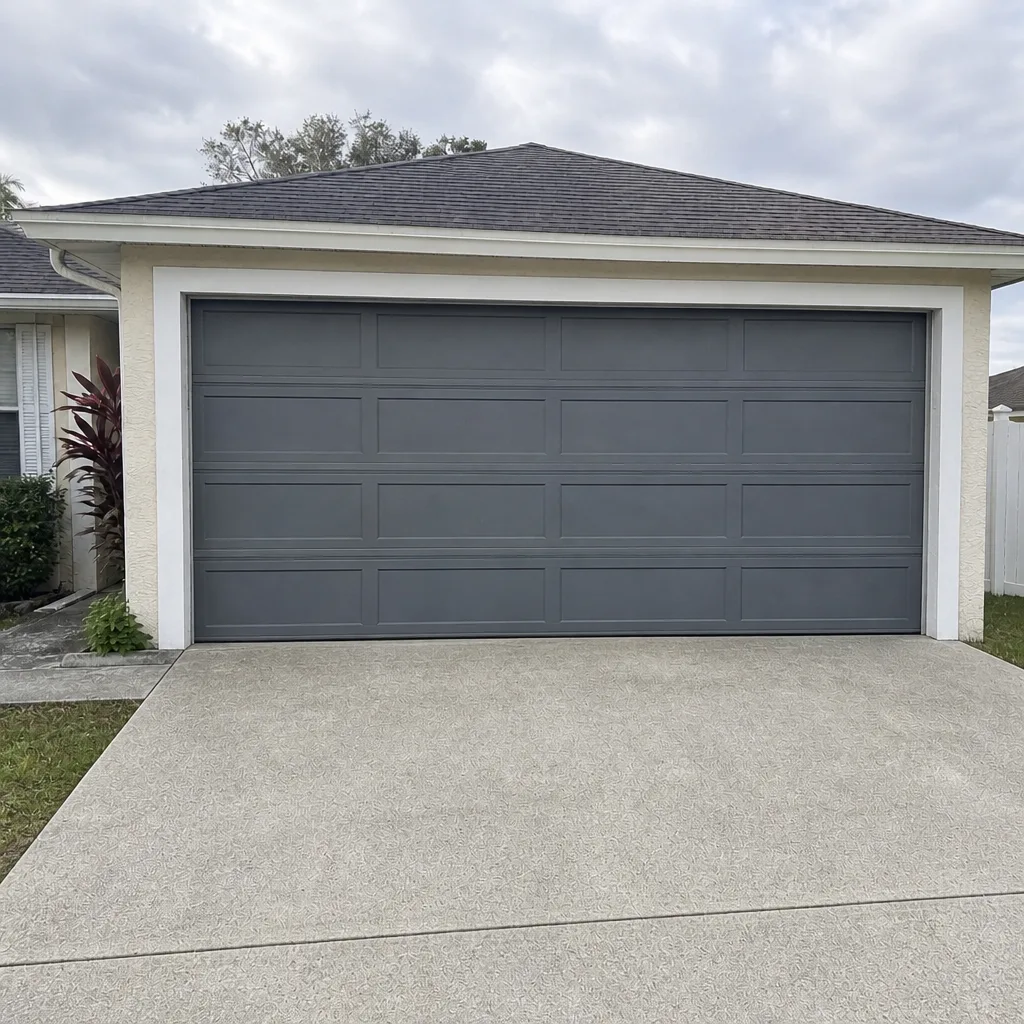 After
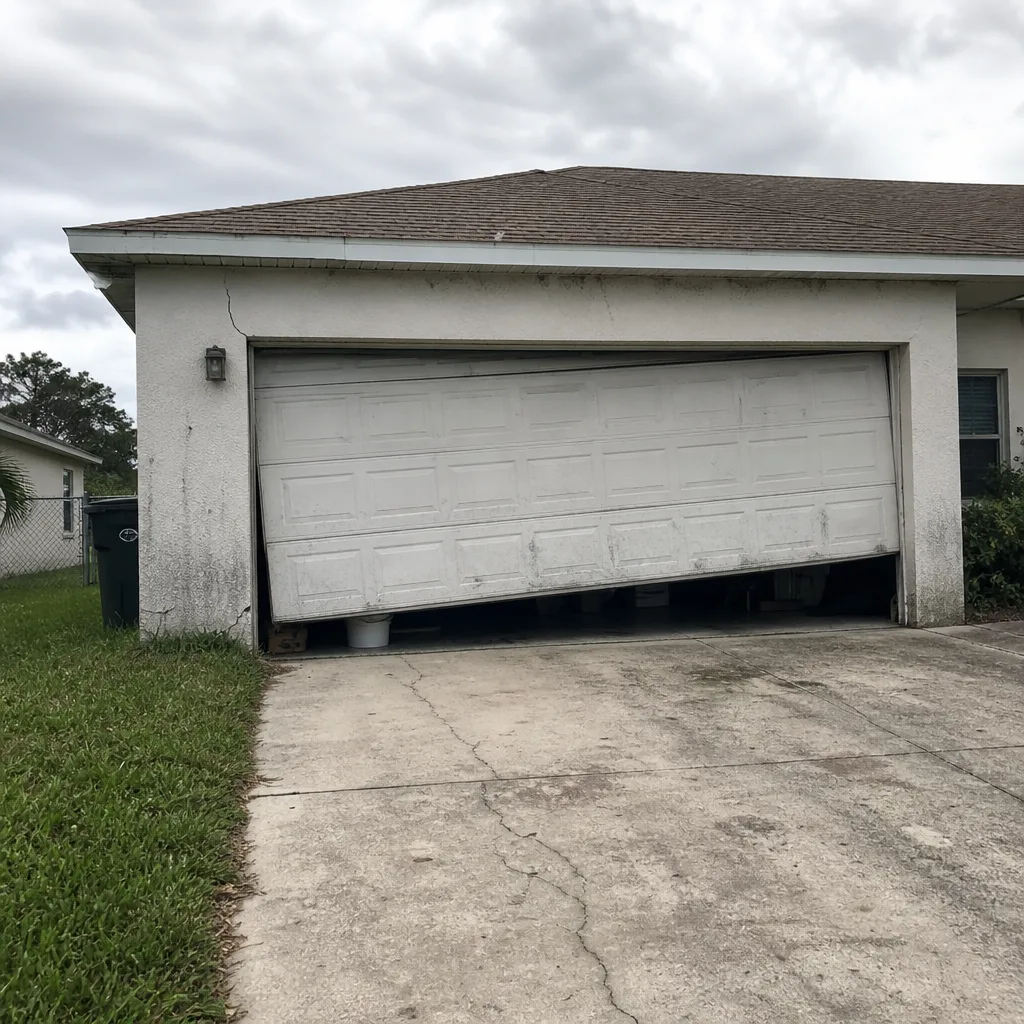 Before
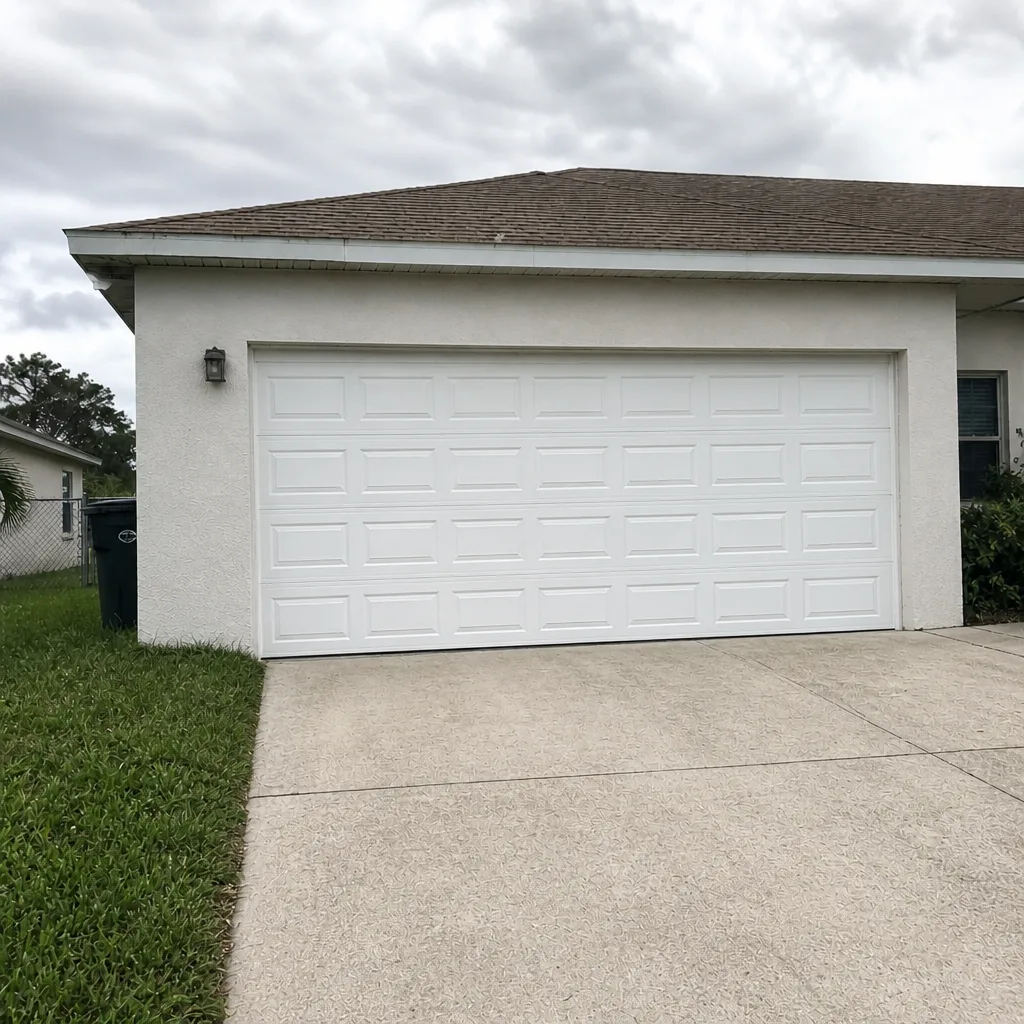 After
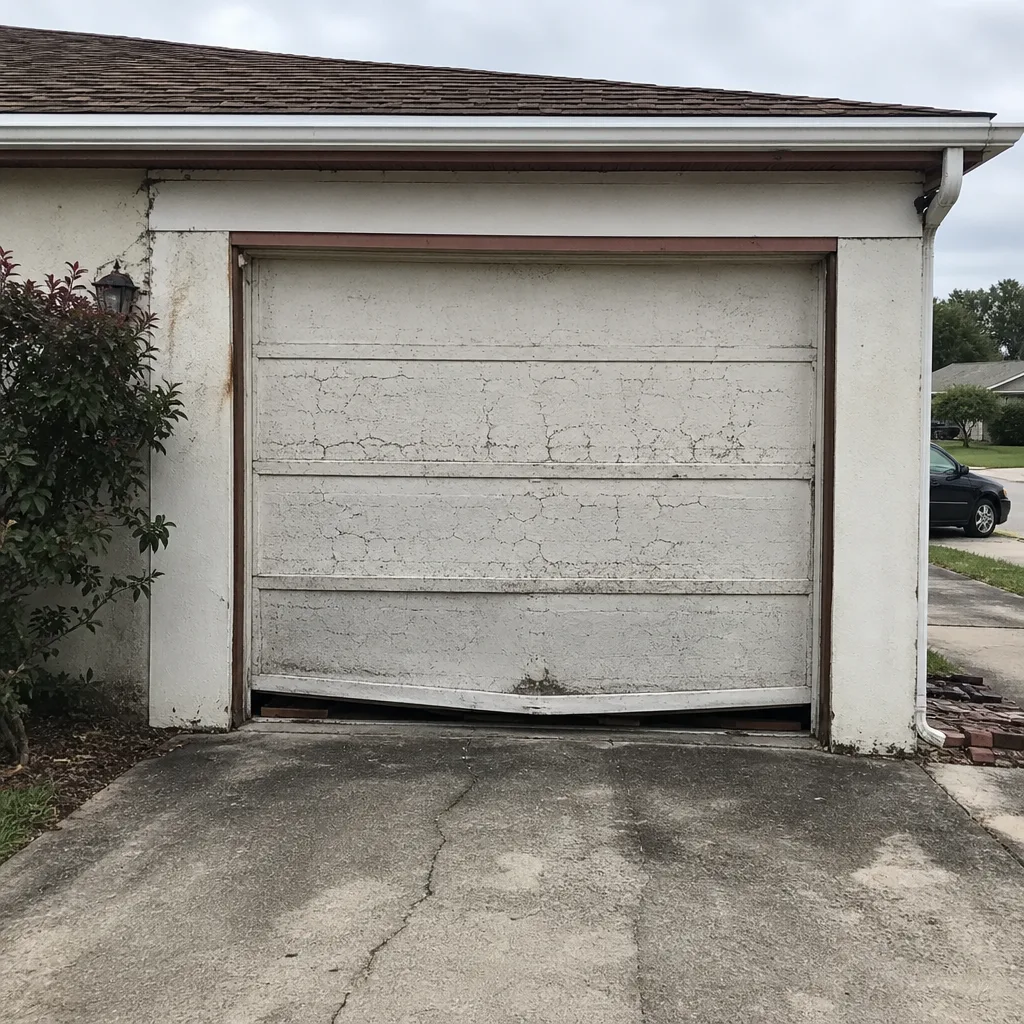 Before
 After
Frequently Asked Questions
A torsion spring has almost certainly snapped. That’s the single most common cause of a door that suddenly won’t open, and the bang is the spring letting go. Keep the door down and don’t run the opener; call (833) 762-4168 for a repair diagnosis.
Yes, but only after confirming the spring isn’t broken. Close the door first, pull the release cord toward you firmly, then lift from the center. If the door is unusually heavy, put it down and call instead of forcing it.
Most jurisdictions require a permit for a garage door replacement, and Palm Bay is no exception in practice. The exact rules change by municipality and by whether the door is being replaced like-for-like. Ask the City of Palm Bay building department to confirm what applies to your address, and we’ll provide the specifications you need for the permit.
It depends on what failed. A single broken spring is usually the lower end of the range; an off-track door with bent panels or a replacement opener runs higher. We give you a written estimate before any work starts, and the price that’s on that estimate is the price you pay. Call (833) 762-4168 for a free estimate.
Often yes. We answer 24/7, and we run fast dispatch from 7am to 7pm, Sunday through Friday. A call outside dispatch hours gets booked into the next opening. Call (833) 762-4168 and we’ll confirm the soonest slot.
We’re set up for the major platforms homeowners actually own: LiftMaster, Chamberlain, Genie, Clopay, Amarr, Wayne Dalton, Craftsman and Raynor. If you’re not sure which one you have, take a photo of the label and we’ll sort it out from there.
The Bottom Line
Garage door emergencies in Palm Bay come from two directions, and the preparation is the same for both. Know your door and opener models. Understand that the manual release is a tool with a right and a wrong way to use it. Respect springs and cables as the dangerous parts they are. Have a storm plan for a non-rated door before the forecast turns. And keep (833) 762-4168 saved, because the phone is the fastest route out of almost any failure. A few minutes of preparation now is the difference between a same-day fix and a door that leaves your car stuck for a week.
For repairs, replacements, springs and openers anywhere across Palm Bay, Palm Bay Garage Door Repair Co is one call away. Our technicians have up to 13 years of experience and work on virtually any system a homeowner already owns. Call (833) 762-4168 for a free estimate.
Written by the team at Palm Bay Garage Door Repair Co.