
Last updated November 21, 2026
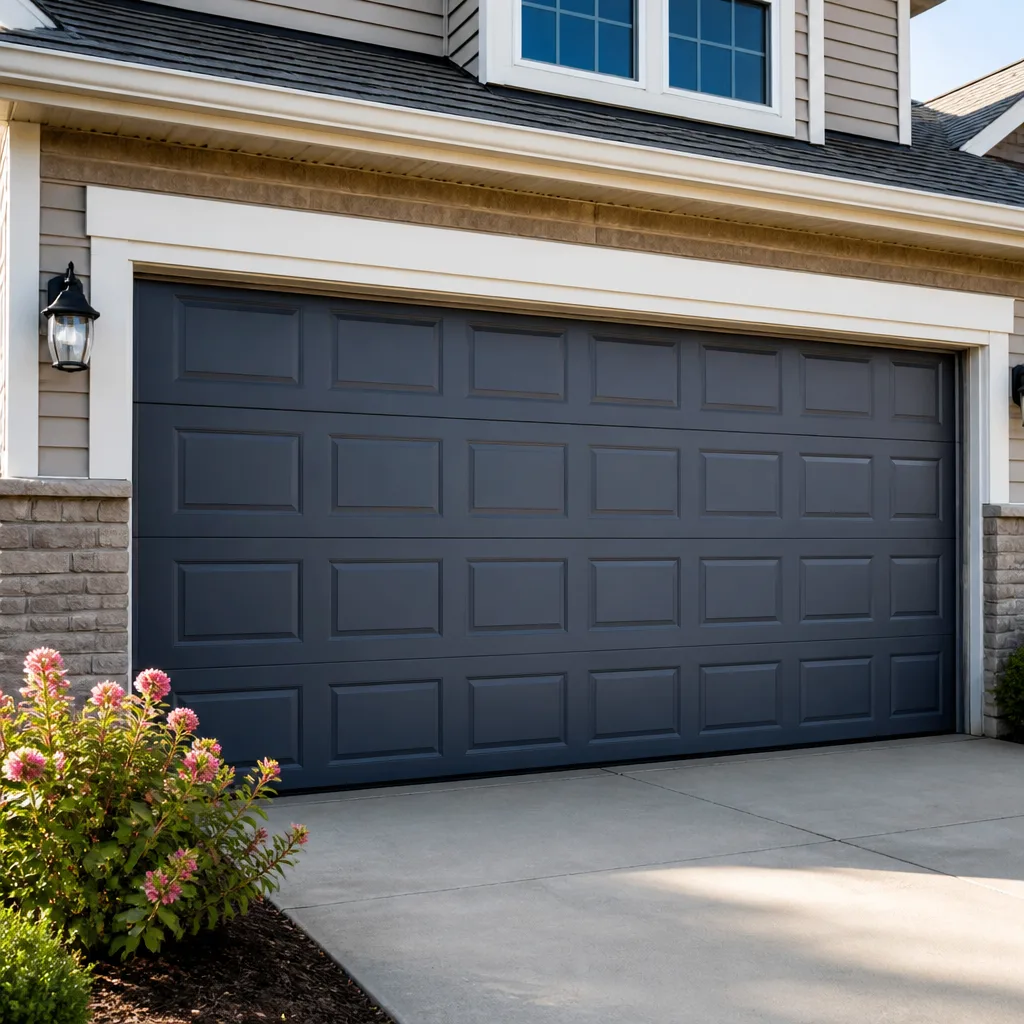 Raised-panel steel
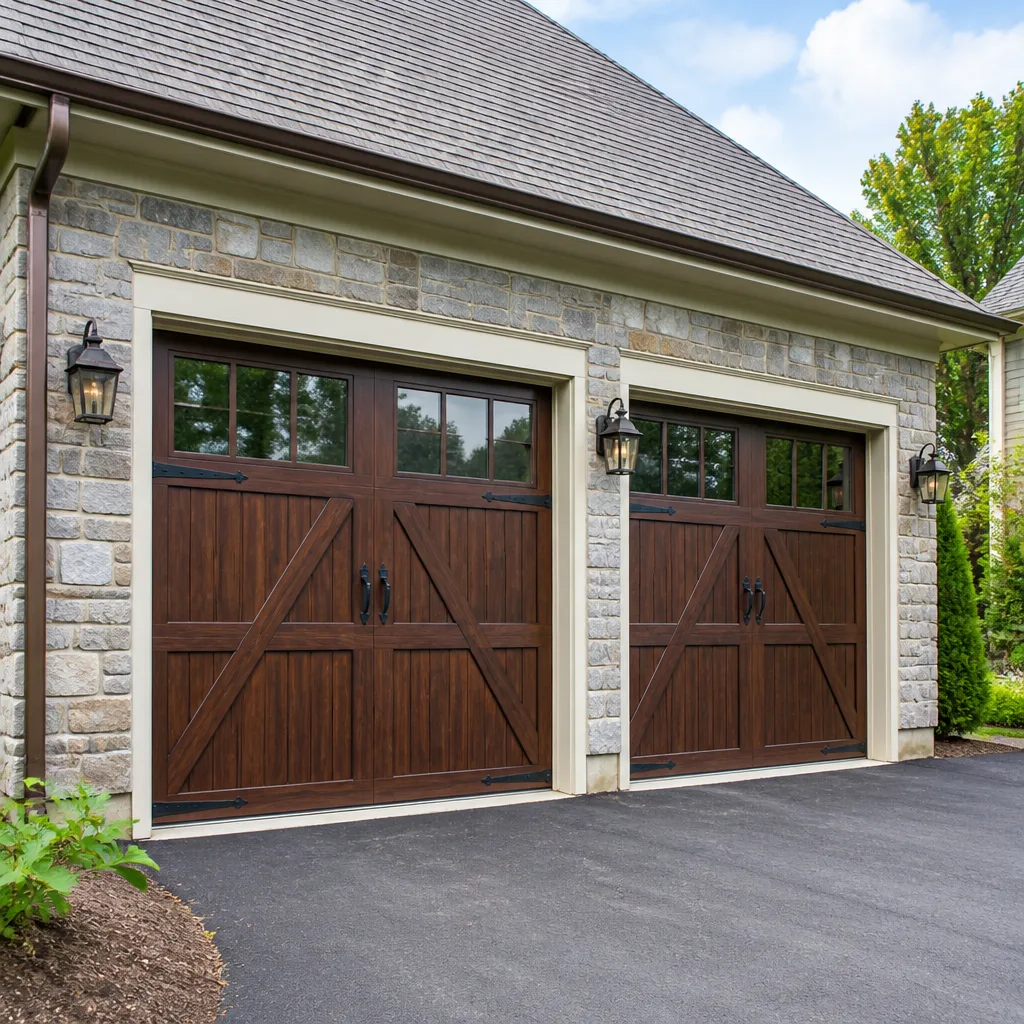 Carriage house
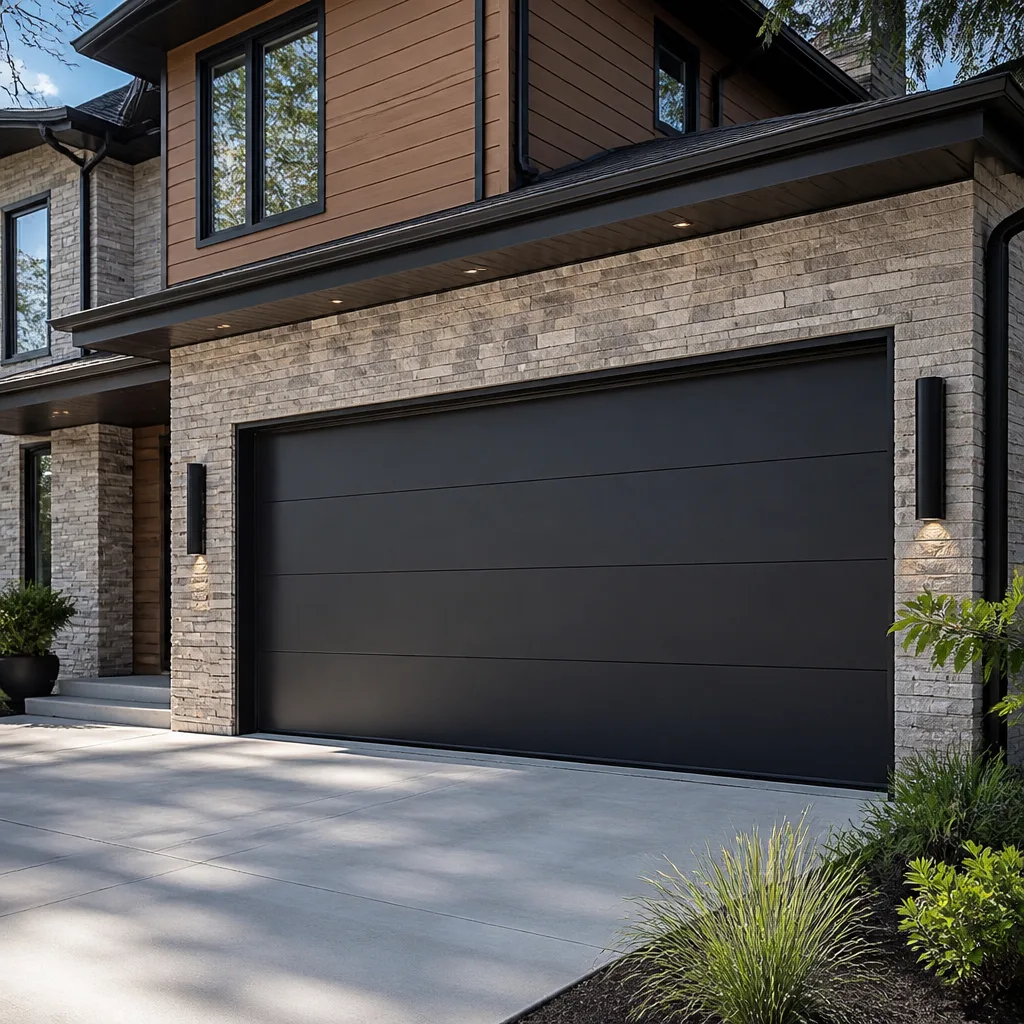 Modern flush
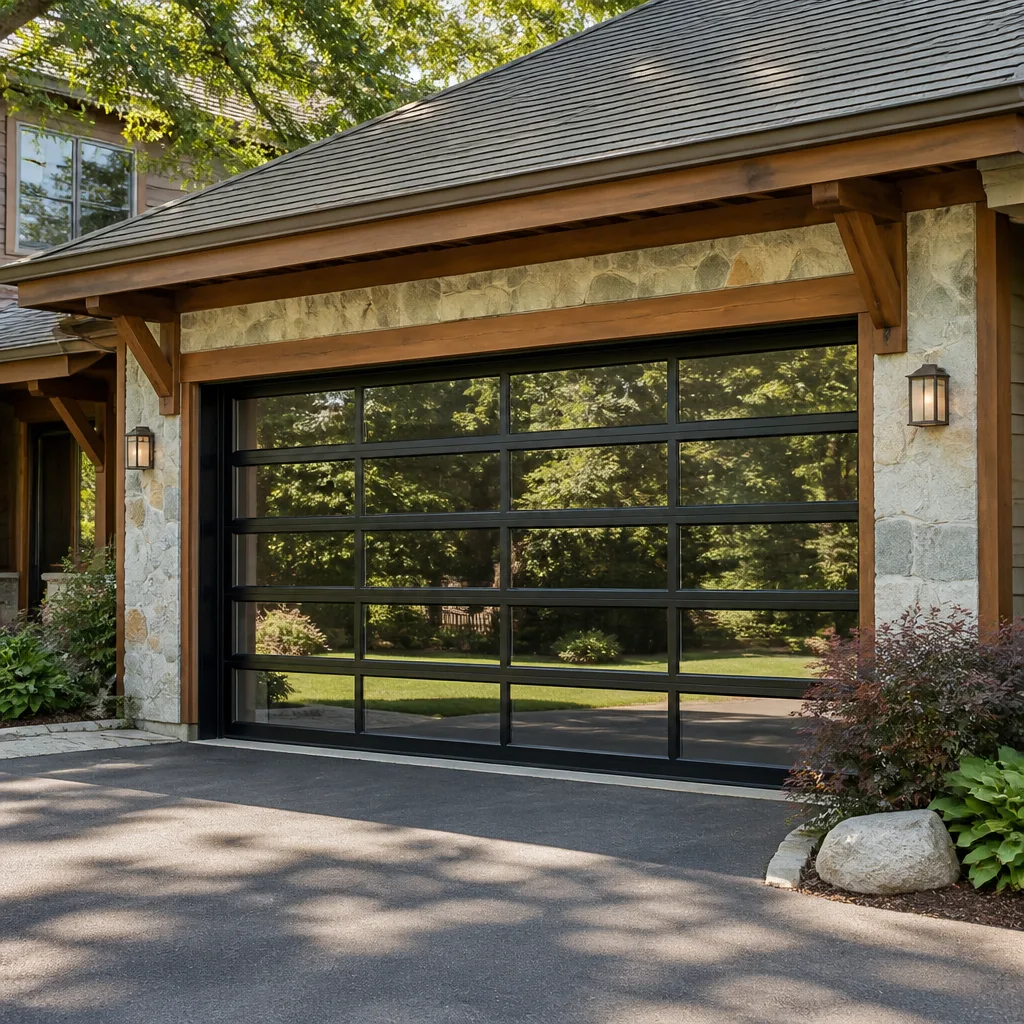 Full-view glass
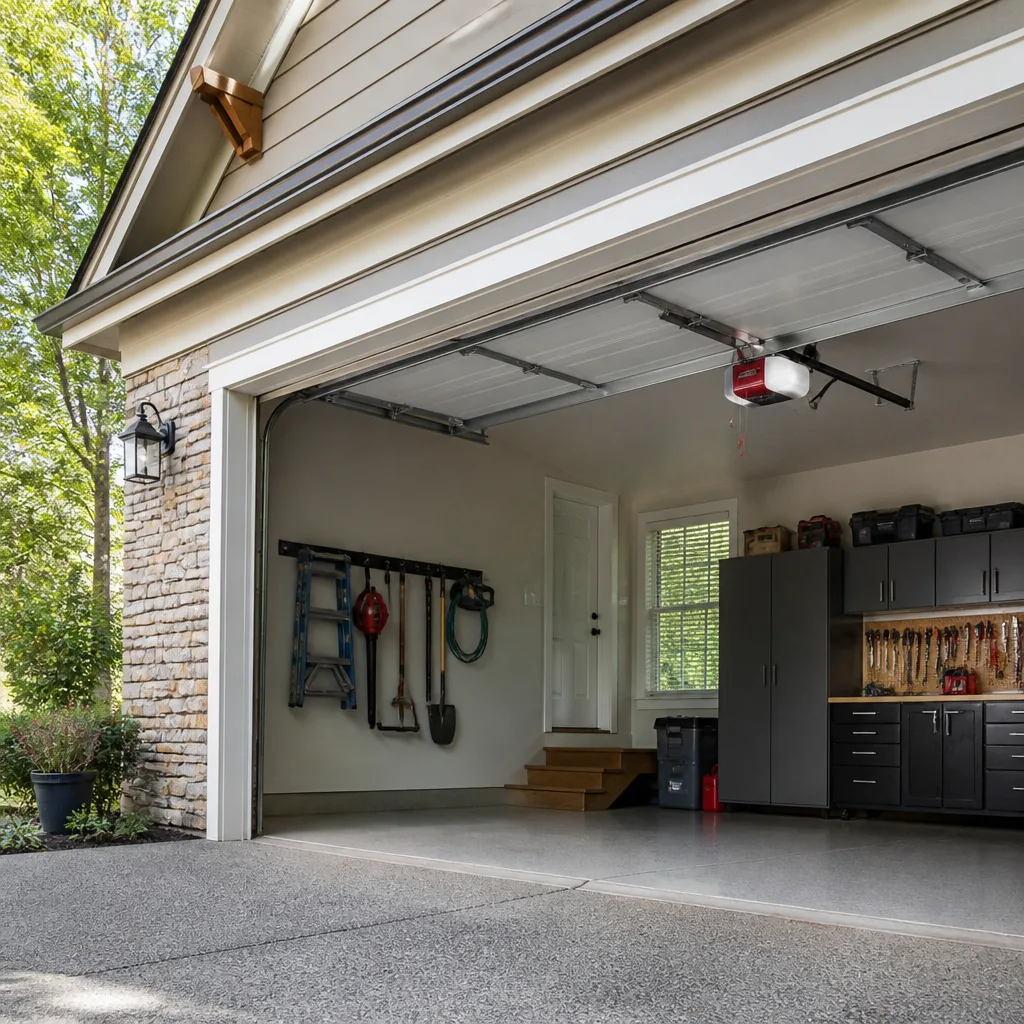 LiftMaster openers
 Chamberlain openers
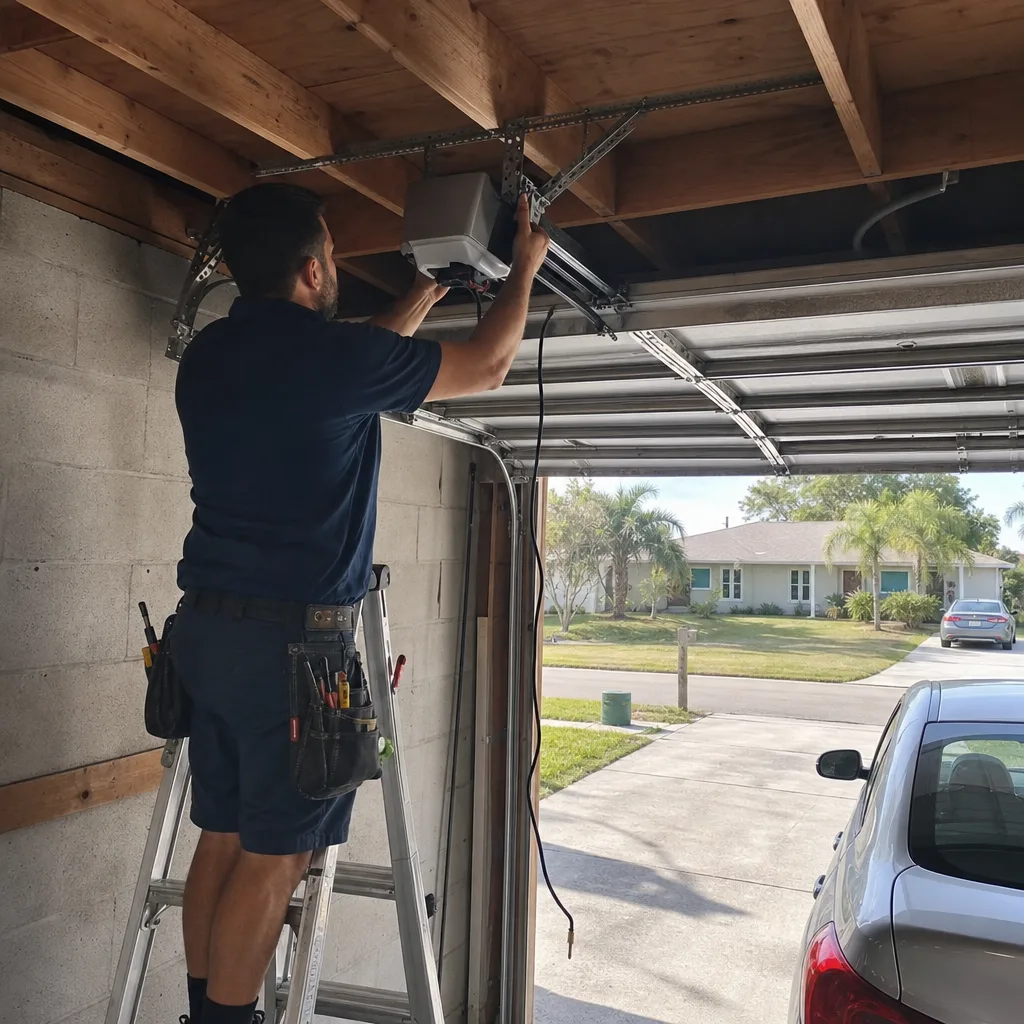
Full 25-point door and opener safety check with every visit - springs, cables, rollers, tracks, and your LiftMaster or Chamberlain opener included
You get a price before we start. It does not change when the pro arrives.
Get your free estimateHow to Hire a Garage Door Contractor in Palm Bay: A Step-by-Step Guide
Most homeowners in Palm Bay start their search for a garage door contractor the same way: the door breaks, they type the problem into their phone, and they call the first listing that answers. That’s the wrong order. The harder truth about hiring in this market is that the contractor who answers fastest is often the one least accountable for the repair. After a named storm passes through Brevard County, the number of “garage door repair” listings here swells, and a good share of them are out-of-area outfits that arrive with a truck, a clipboard, and no plan to be around when something goes wrong. This guide walks you through the screening process step by step: what to ask, how to read an estimate, which red flags matter, and why a second opinion on springs and openers is worth the phone call.
Quick Answer
To hire a garage door contractor in Palm Bay, verify that the company specializes in garage doors rather than general handyman work, ask which brands they handle and how they diagnose, demand a written itemized estimate before work begins, and confirm who pulls any permit your job requires. Skip anyone who pressures you to sign the same day, can’t give a local business address, or quotes a price that changes once the door is off the track.
Styles & brands we work with
- Raised-panel steel
- Carriage house
- Modern flush
- Full-view glass
- LiftMaster openers
- Chamberlain openers
Table of Contents
- Why Garage Door Contractors Are Different From Handymen in Palm Bay
- The Questions to Ask Before You Book Anyone
- How to Read a Garage Door Estimate Line by Line
- Red Flags: The Post-Storm Contractor Surge in Brevard County
- Why a Second Opinion Pays Off on Springs and Openers
- Permits, Warranty, and Who Is Accountable
- What Palm Bay’s Climate Does to Your Door
- Brand Experience: Why It Shortens the Diagnosis
Why Garage Door Contractors Are Different From Handymen in Palm Bay
A garage door is a balanced mechanical system under constant tension, and it’s the largest moving object on most homes in Palm Bay. A general handyman can hang a shelf, patch drywall, or swap a light fixture, but the door itself is a different category of work. When a torsion spring lets go, the energy released is enough to break bones. When a door comes off its track, the fix involves the counterbalance system, the panels, the hinges, the rollers, and the opener’s travel limits all at once. Getting one of those wrong puts the rest under strain.
The practical consequence shows up on two fronts: warranty and permits.
- Warranty. Manufacturers attach terms to how their products are installed. A door installed by someone who isn’t a garage door specialist can void the panel finish warranty or the hardware warranty, and you find that out only when you file a claim. A dedicated company keeps the door within spec because that’s the work they do every day.
- Permits. Garage door replacement is typically a permitted job, and permit rules vary by jurisdiction. In Florida, whether a contractor can pull the permit for you depends on their licensing. Some work requires a licensed contractor to hold the permit; some work a homeowner can pull directly. A handyman who can’t legally pull the permit will either ask you to do it or quietly skip it. Ask the city’s building department what your specific job needs before anyone swings a hammer.
- Accountability. A generalist is harder to hold to a warranty because garage doors are a side job. A specialist has a reputation tied entirely to the trade.
That last point matters most in a storm market. When a company’s entire business is garage door repair, they can’t afford to leave a door half-fixed and disappear. The reputation they’ve built locally is the only thing that keeps the phone ringing.
The Questions to Ask Before You Book Anyone
This is the part most homeowners skip. A two-minute phone conversation with the right questions screens out most of the bad matches before anyone gets in a truck. Call and ask these seven things in order.
- “Do you do garage doors as your primary work, or is this a side service?” If the answer includes “we do everything” or “we’re general contractors,” you’re talking to a generalist. That’s not automatically a dealbreaker for a simple roller swap, but it’s the wrong fit for anything involving springs, cables, or a full replacement.
- “What brands do you work on most?” A specialist who handles Genie, Clopay, Amarr, and Wayne Dalton every week will name them without hesitation. If they pause and say “we work on all of them,” press on how they source parts for your specific door.
- “How do you diagnose before quoting?” A proper diagnosis involves looking at the door’s balance, the springs, the cables, the rollers, and the opener’s travel and force settings. A quote over the phone without a look at the door is a guess, and guesses are how estimates turn into invoices.
- “Will you give me a written estimate before work starts?” The answer needs to be yes, in writing, with the price on it. Verbal estimates are how “we found another problem” becomes a bigger bill.
- “Who pulls the permit if one is required?” If the work needs a permit, this should be clear before anyone starts. A contractor who dodges the question is telling you something.
- “What’s the warranty on the parts, and what’s the warranty on your labor?” These are separate and they matter separately. A part warranty from the manufacturer doesn’t cover the labor to install it a second time.
- “Where is your business located?” Ask plainly. A company that can’t give you a verifiable local address is a company you should treat as a temporary visitor.
Write the answers down. When you compare two or three companies, the one that answered straight will stand out from the one that gave you a smooth sales pitch and no specifics.
How to Read a Garage Door Estimate Line by Line
An estimate is a document, and it either protects you or it doesn’t. Here’s what a fair one looks like and how to spot the padding.
A fair estimate itemizes parts and labor separately. You should see the spring sizes, the number of springs, the roller type, the hinge type, and a distinct labor line. “Labor included” without a breakdown tells you nothing. If the document just says “repair garage door – $650,” ask for the itemization before you agree.
Parts markups are normal, predatory markups aren’t. Every company buys at a wholesale price and resells at a counter price; that margin pays for the truck, the technician, the warranty, and the callback if something fails. The line is where the markup goes from reasonable to predatory: a common spring quoted at three or four times what the part costs, a “premium roller upgrade” that’s the same roller everyone uses, or a package of “tune-up items” bundled into a repair you didn’t ask for. Ask what the part is and why it’s needed. A technician who knows their trade can explain it in a sentence.
Watch for the parts you don’t need. A door with one broken spring usually gets both replaced because they wear at the same rate, and that’s legitimate. A door with one broken spring does not need a new opener, new panels, a new track, and a “safety sensor package.” If the estimate balloons in areas you didn’t call about, get a second estimate.
The final price is the written estimate. Before any technician starts, the price should be quoted, agreed, and written down. If additional work turns up mid-job, you should get a call and a new number before the extra work happens, not an invoice that’s bigger than the number you shook hands on. That’s the standard to hold any contractor to.
One more habit worth building: keep the estimate. If you ever sell the house, a documented repair with a date and a part number is a small but useful paper trail for the next owner.
Red Flags: The Post-Storm Contractor Surge in Brevard County
Named storms bring two things to Brevard County: damaged doors and a wave of companies that show up to fix them. Some of those companies are legitimate and stay. Many don’t. Here’s the pattern to watch for.
- Out-of-state plates. A truck from another state isn’t automatically a problem, but combined with no local address it’s a strong signal you’re talking to a transient crew. Local companies are the ones who have to live with the work.
- No verifiable local business address. A PO box, a phone number, and a website aren’t an address. Ask for a physical location; if there isn’t one, that’s your answer.
- Pressure to sign the same day. Real contractors don’t need a same-day signature to make their number work. High-pressure urgency (“this price only holds today”) is a sales tactic, not a scheduling constraint.
- Cash-only with no written estimate. Cash is fine, but the absence of a written estimate is not. You need the document.
- Door-to-door solicitations after a storm. Legitimate companies don’t usually need to knock on doors after a weather event; their existing customers call them. Knocking isn’t a crime, but it’s a reason to slow down and ask the seven questions above.
- Estimates that change once the door is off the track. Some additional findings are real. Many are the moment an estimate becomes a negotiation. A qualified technician diagnoses the door before quoting, not after the panels are on the floor.
- No permit discussion. If a storm-damaged door needs replacement and the contractor never mentions a permit, ask. If they wave it off, walk.
None of this is about accusing anyone of fraud. It’s about being deliberate when a lot of unfamiliar trucks are in the neighborhood and the pressure to get the door closing again is real.
Why a Second Opinion Pays Off on Springs and Openers
Some repairs don’t benefit much from a second opinion; a broken roller is a broken roller. Springs and openers are different, and that’s where a second call saves money most often.
On springs, the second opinion catches unnecessary replacements. A torsion spring has a known cycle life, and when one breaks, the standard practice is to replace the pair because the second spring is close behind. That’s legitimate. What isn’t: a company that quotes a spring replacement when the actual problem is a worn cable, an unbalanced door, or a binding track. A second technician who actually tests the balance and looks at the cables will tell you which part failed.
On openers, the second opinion catches misdiagnosis. Openers get blamed for problems that live elsewhere in the door. A door that reverses mid-travel usually has a travel limit or force setting issue, sometimes a sensor alignment, sometimes a binding door. That’s a straightforward fix. A company that recommends a new opener without checking the door’s balance and the sensor alignment is guessing, and the replacement opener will have the same problem the old one did. A specialist who works on the major opener platforms every day can usually tell within minutes whether the opener is the problem or a symptom.
Getting a second estimate costs nothing and takes one phone call. On a spring or opener job, that call is worth making before you commit. On any other repair, it’s usually optional.
Spring replacement is also the single most dangerous repair on the door. Torsion springs store hundreds of pounds of force, the cables are under the same load, and the wrong move can cause serious injury. We don’t publish step-by-step spring instructions for that reason, and any company that suggests you “try it yourself first” is telling you something about their judgment. This is work for a trained technician with the right tools and the right winding bars. If you want to understand the repair better before you book, read our guide on garage door spring repair.
Permits, Warranty, and Who Is Accountable
Permits exist for a reason, and on a garage door they’re not red tape. A door is a structural opening in the wall of the house, and how it’s anchored, sealed, and counterbalanced determines whether it performs. Permit rules change between jurisdictions, so the only reliable answer for your specific door is to call the City of Palm Bay’s building department and ask what your job requires. Most cities require a permit for a full replacement; whether a repair needs one depends on the scope.
Here’s where the hiring decision connects to the permit. Some work requires a licensed contractor to pull the permit. If you hire someone who can’t legally pull it, either you pull the permit yourself (which puts the responsibility on you) or the work gets done without one (which can cause problems when you sell, insure, or make a claim). Ask the contractor clearly: “Will you be pulling the permit for this job, or am I?” A confident answer is a good sign. A shrug is not.
Warranty is the other half of accountability. Two warranties matter on a garage door repair:
- Manufacturer warranty on parts. Springs, openers, panels, and hardware come with terms from the manufacturer. These usually require installation within the manufacturer’s spec.
- Labor warranty from the contractor. This covers the work itself if something fails early. Ask how long it runs and what it covers.
Both should be on the estimate or attached to it. If the contractor can’t explain their labor warranty, that’s a signal about how they handle callbacks.
What Palm Bay’s Climate Does to Your Door
Palm Bay’s weather is mild in winter and hard on hardware the rest of the year. Three things wear a door faster here than in colder parts of the country.
Heat and humidity. Summer here is long and humid, and that humidity works on the steel in springs, hinges, and rollers. Steel hardware that sits in moist air oxidizes faster, and a rusty hinge or roller binds, throwing the door out of balance and putting extra load on the opener. Lubrication matters more here than homeowners expect; a garage door that’s never been lubricated will tell you so after a few summers.
Sun exposure. A west-facing garage door takes direct sun for hours in the afternoon. That matters most for wood and some composite doors, where the finish can dry and check, and for any door where the paint or stain is the only thing between the panel and the weather. Repainting on the manufacturer’s schedule is cheaper than replacing panels.
Storm season. Wind-driven rain and debris are the biggest periodic threat. A door that seals properly keeps water out of the garage; a door with worn weatherstripping or a bent bottom section lets it in. Checking the seal and the bottom section after storm season is worth the ten minutes.
None of this requires a special “coastal” or “tropical” door. It requires the door you have to be maintained on a schedule, and anyone you hire to inspect it should be able to tell you what a Palm Bay door needs and when.
Brand Experience: Why It Shortens the Diagnosis
Garage doors and openers are not a single product category. A Clopay door and a Wayne Dalton door share the same physics but not the same hardware, and an Amarr panel isn’t interchangeable with either. A Genie opener and a LiftMaster opener share functions but not the same troubleshooting path.
This is where brand experience pays off on a service call. A specialist who handles the major brands every week already knows the failure pattern for your door. They know the spring sizes spec’d for that model, the hinges that wear first, the opener’s quirks. That knowledge shortens the diagnosis and, more practically, it means the right parts show up the first time. A generalist has to figure it out from scratch, which is how a one-visit job becomes a two-visit job.
Ask on the phone which brands they handle and how they source parts. A specialist will answer without hesitation. If the answer is “we can get anything,” that may be true, but it doesn’t tell you whether they’ve worked on yours before. Our own work covers the eight brands we’re frequently asked about, and we work on the specific system in front of us, not a generic version of it. For the longer version of how brand affects the diagnosis, our garage door opener repair page goes deeper on the electronics side.
Common Mistakes to Avoid
- Hiring on price alone. The lowest bid on a spring replacement is often the one with the thinnest margin on labor and the cheapest spring. That’s how a two-year spring gets installed on a door that should get a ten-year one.
- Skipping the written estimate. A verbal number is a suggestion. Without a written estimate, you have no way to hold anyone to the price, and no record if the bill inflates.
- Assuming the handyman will pull the permit. Many handymen can’t pull a garage door permit. If the job requires one and nobody’s discussed it, you’re the one holding the bag when it comes up at sale or insurance time.
- Replacing the door when a repair would do. A door with one broken panel, a bent track, or a failed spring can usually be repaired. Replacement is the right answer when the panels are structurally compromised or the door is at the end of its service life, not when the repair is more work than a quick sales pitch.
- Letting anyone touch the door after a storm without a second look. Storm-season solicitation is a real pattern in Brevard County. Slow down, ask the seven questions, and don’t sign on the first visit.
- Ignoring the opener when the door is the problem. A door that reverses or strains is often out of balance, not an opener failure. Replacing the opener without checking the door wastes money.
- Skipping lubrication and inspection. A garage door that never gets attention will fail more often. A yearly check of the springs, cables, rollers, and hinges catches most problems while they’re cheap.
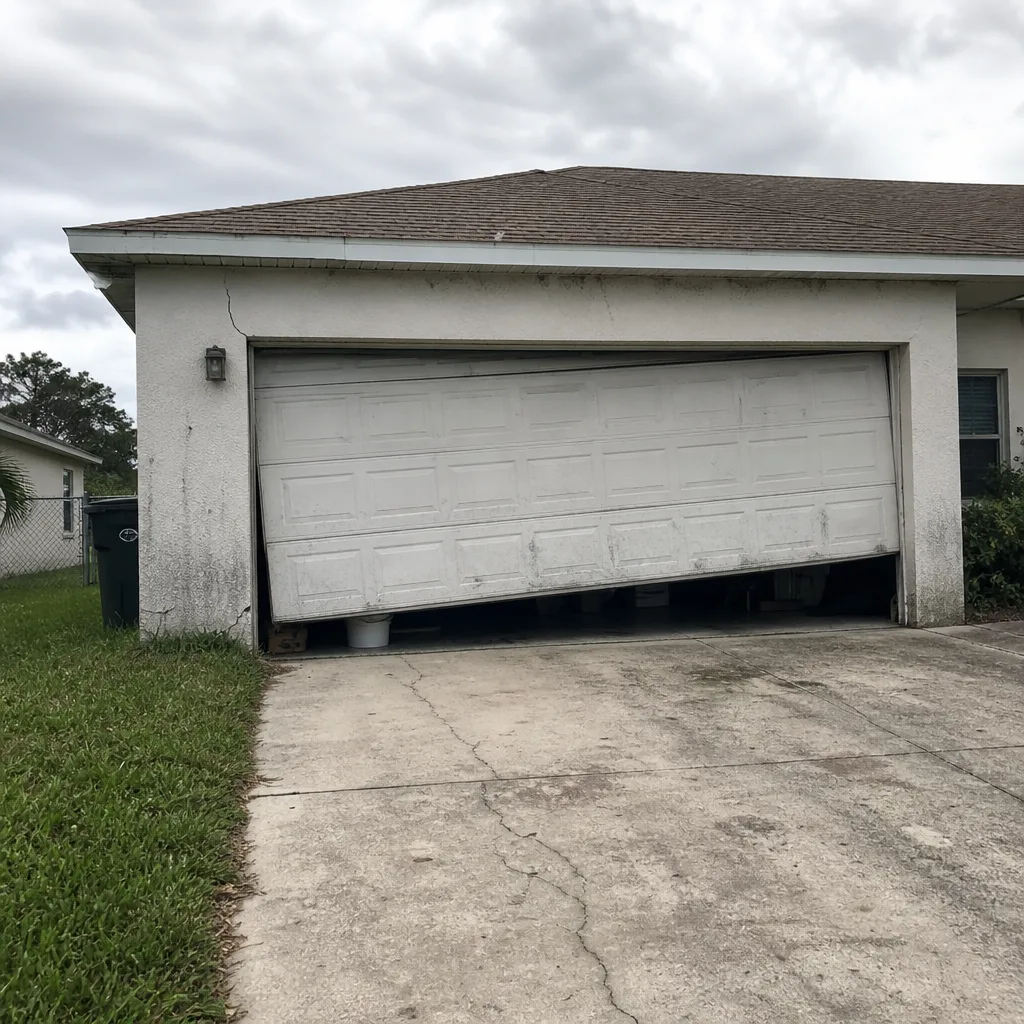
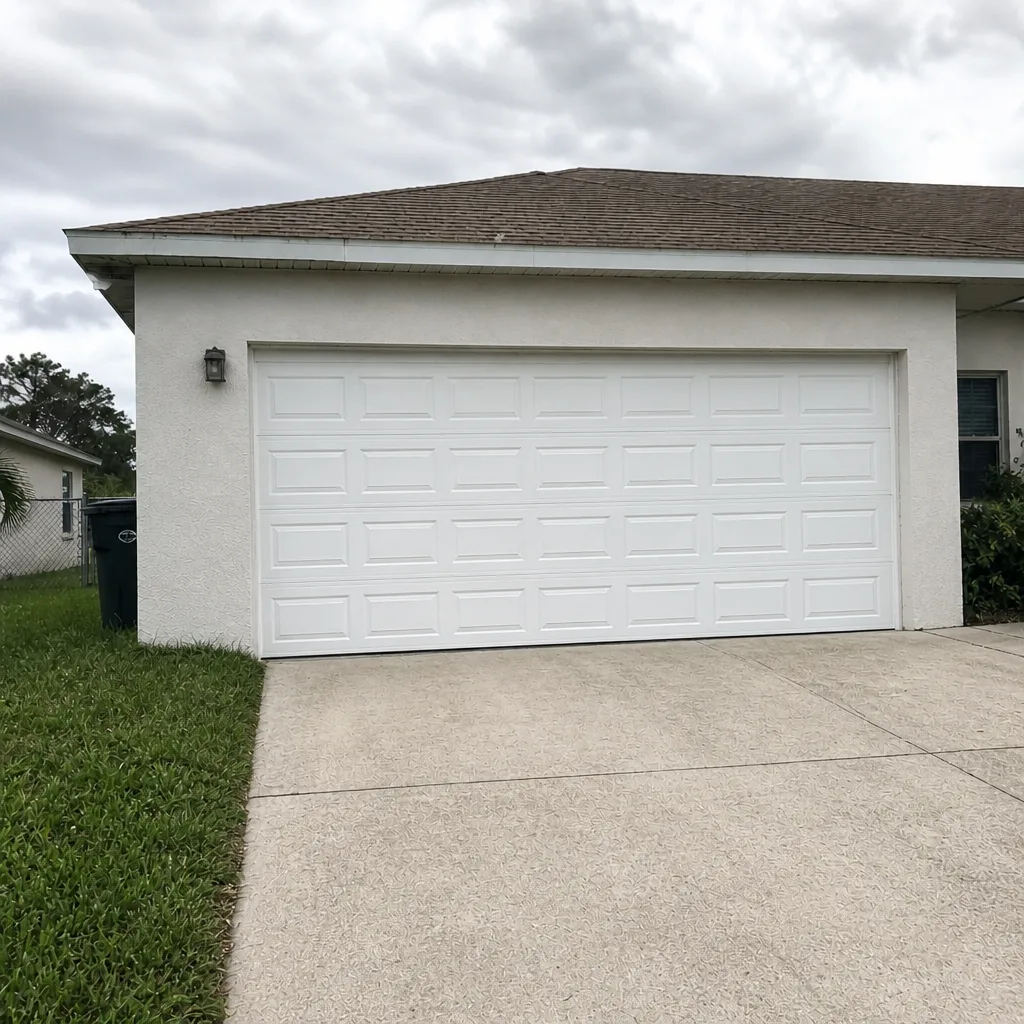
See the difference
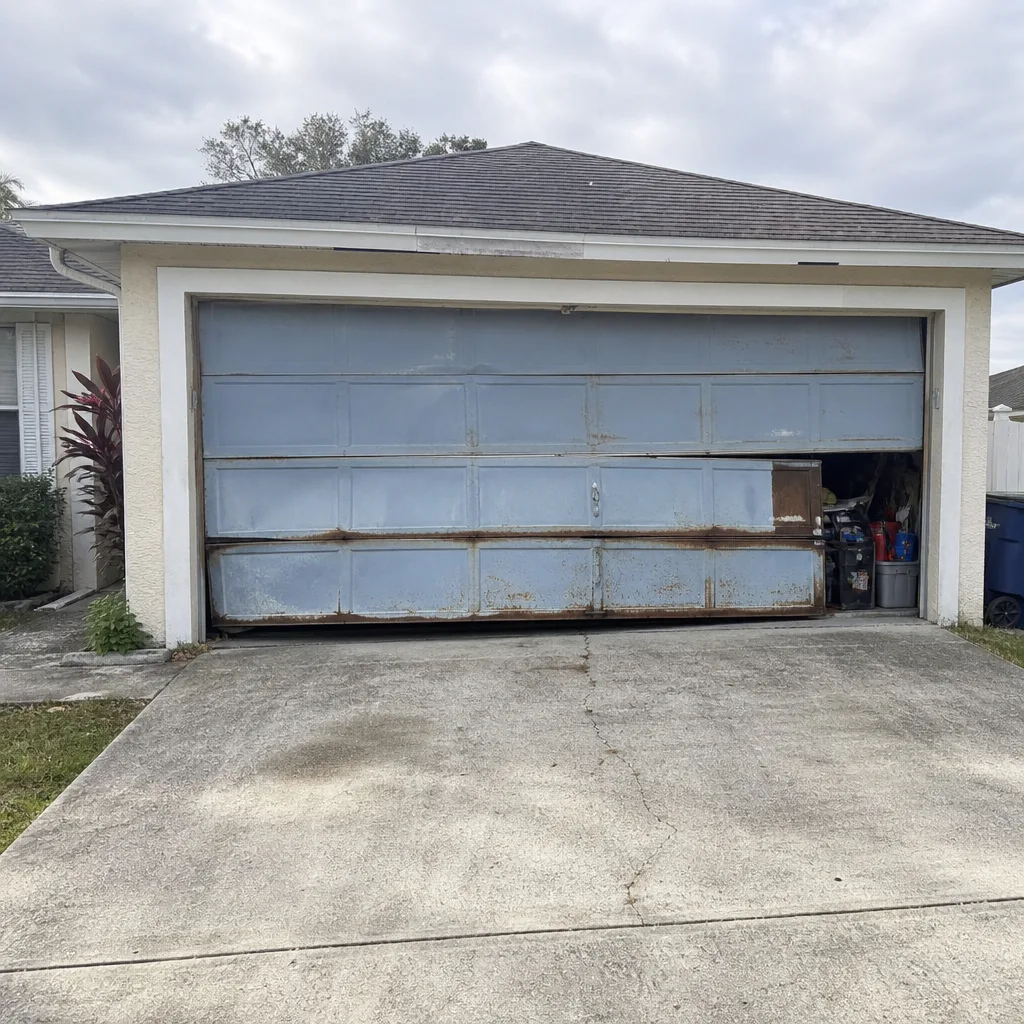 Before
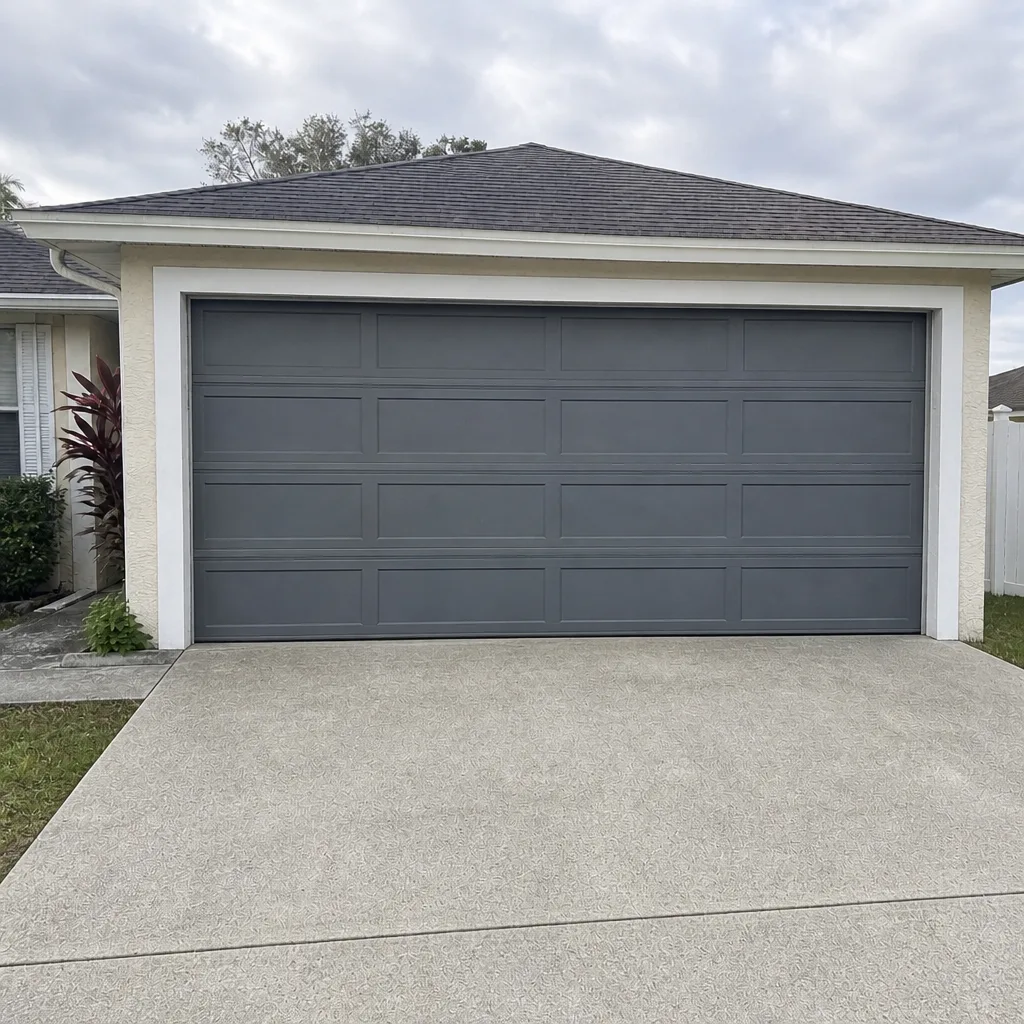 After
 Before
 After
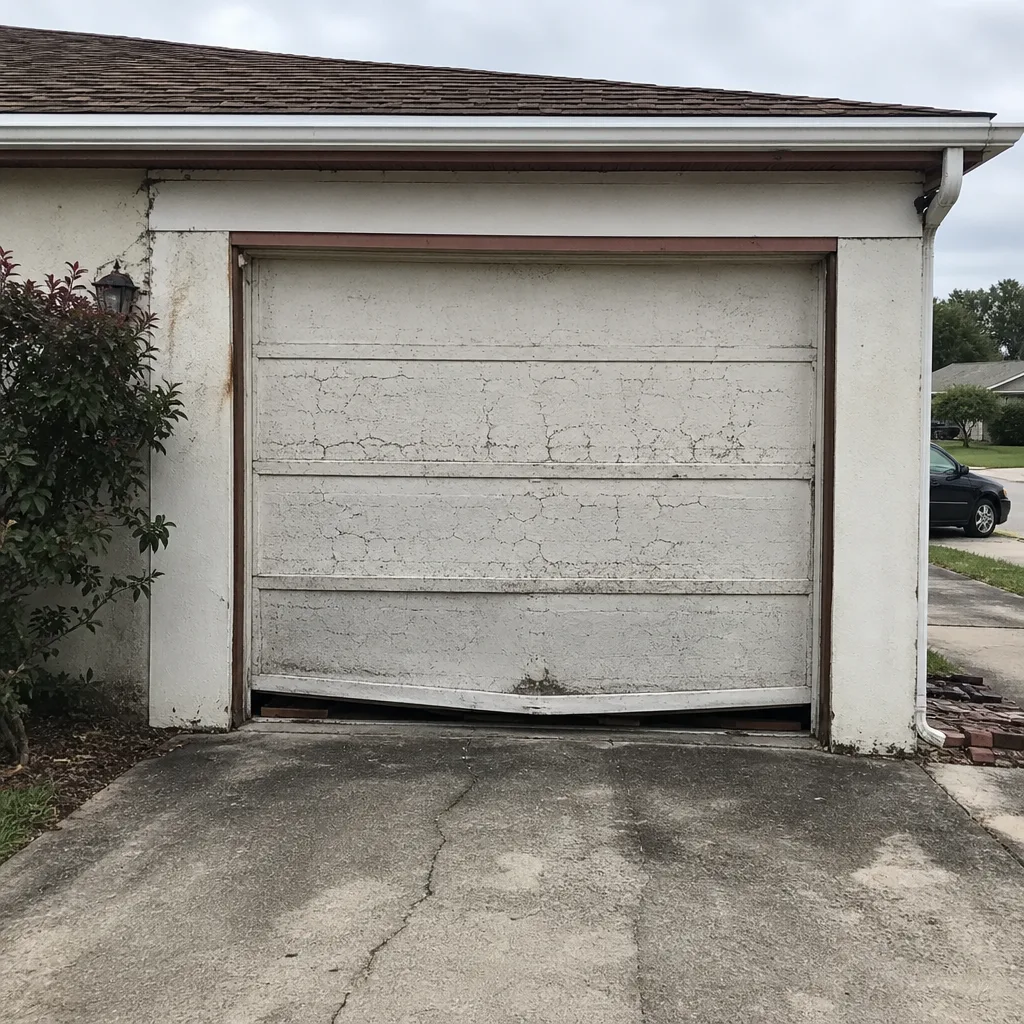 Before
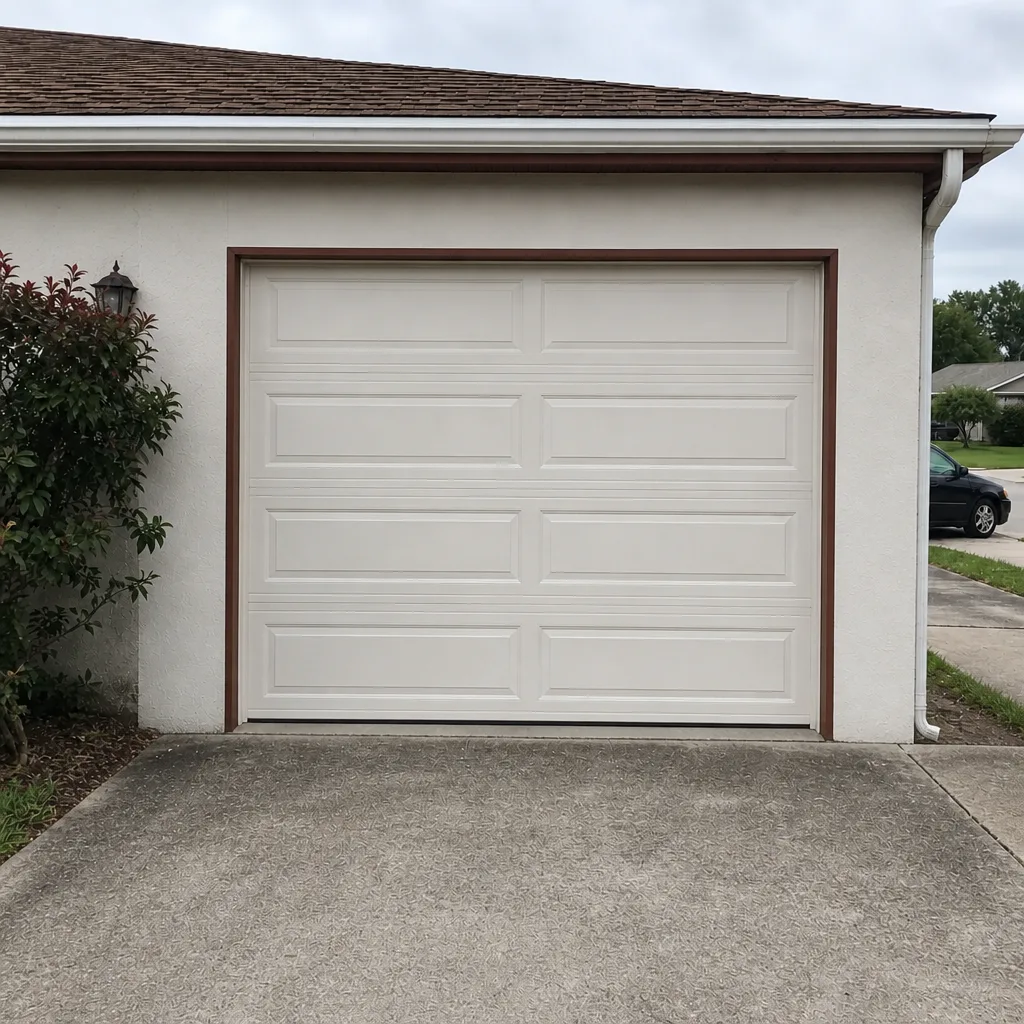 After
When to Call a Professional
Some garage door symptoms are a wait-and-see situation. Others need a technician on the phone. Call a professional if the door won’t open or close, if you hear a loud bang from the spring area (that’s usually a broken spring, and the door may be unsafe), if the door comes off its track, if it reverses for no visible reason, if the opener runs but the door doesn’t move, or if the door is visibly out of balance (heavy lifting by hand, uneven travel). Any of these is a sign that the counterbalance system or the opener is out of spec, and continuing to run the door makes it worse. If the door won’t close and the house is open to the garage, that’s a security problem too, and it’s the kind of thing worth calling on.
Palm Bay Garage Door Repair Co offers free estimates in Palm Bay. Call (833) 762-4168. We answer 24/7. Fast dispatch from 7am to 7pm, Sunday through Friday. When the door won’t move, we do.
Frequently Asked Questions
A garage door repair in Palm Bay is priced per job by a written estimate, not by a flat rate, because the cost depends on which part failed and what the door needs to bring it back into spec. A spring replacement is typically one of the more significant repairs; a roller swap or a travel limit adjustment is much smaller. The written estimate you get before work starts is the final price, and you should expect it to break out parts and labor. Call (833) 762-4168 for an exact quote; estimates are free.
Yes, we offer same-day service for repair calls, and fast dispatch runs from 7am to 7pm, Sunday through Friday. If the door is stuck, broken, or unsecured, call (833) 762-4168 and we’ll get you on the schedule. We answer 24/7.
No, the price is quoted and agreed before any work starts. If a technician finds something mid-job that changes the scope, you get a call and a new number before the additional work happens, not an invoice after the fact. That’s how a written estimate should work, and it’s what you should demand from any contractor you hire in Palm Bay.
The local professional we connect you with is licensed and insured as their state requires, and you can ask for verification before the work begins. Our technicians have up to 13 years of experience, and we work across the major garage door and opener brands rather than a single system. Call (833) 762-4168 with questions before you book.
Most garage door replacements require a permit, but permit rules vary by jurisdiction, so the right answer for your door comes from the City of Palm Bay’s building department. Call them with the scope of your job and ask. Then ask your contractor whether they’ll be pulling the permit, and get the answer in writing.
Repair is usually the right call when the door structure is sound and one or two parts have failed. Replacement is the right answer when the panels are structurally compromised, the door is at the end of its service life, or the repair cost approaches the cost of a new door. A specialist can tell you which side of that line your door is on before you commit to either. Call (833) 762-4168 for a free estimate.
The Bottom Line
Hiring a garage door contractor in Palm Bay comes down to a few durable habits: verify the company specializes in garage doors, ask the seven questions before you book, demand a written itemized estimate, confirm who pulls the permit, and get a second opinion on springs and openers specifically. Watch for the storm-season red flags, especially out-of-state plates, no local address, and pressure to sign the same day. Brand experience shortens the diagnosis and gets the right parts on the first visit. None of this is complicated, but it’s the difference between a repair that holds and a repair you’re paying for twice. Palm Bay Garage Door Repair Co connects homeowners with independent local professionals who do this work daily. From opener remote to full panel replacement, we handle the full range. If you’d like to start with an estimate, call (833) 762-4168. Free estimates, upfront pricing, and the price is set before the work begins.
Written by the team at Palm Bay Garage Door Repair Co.