
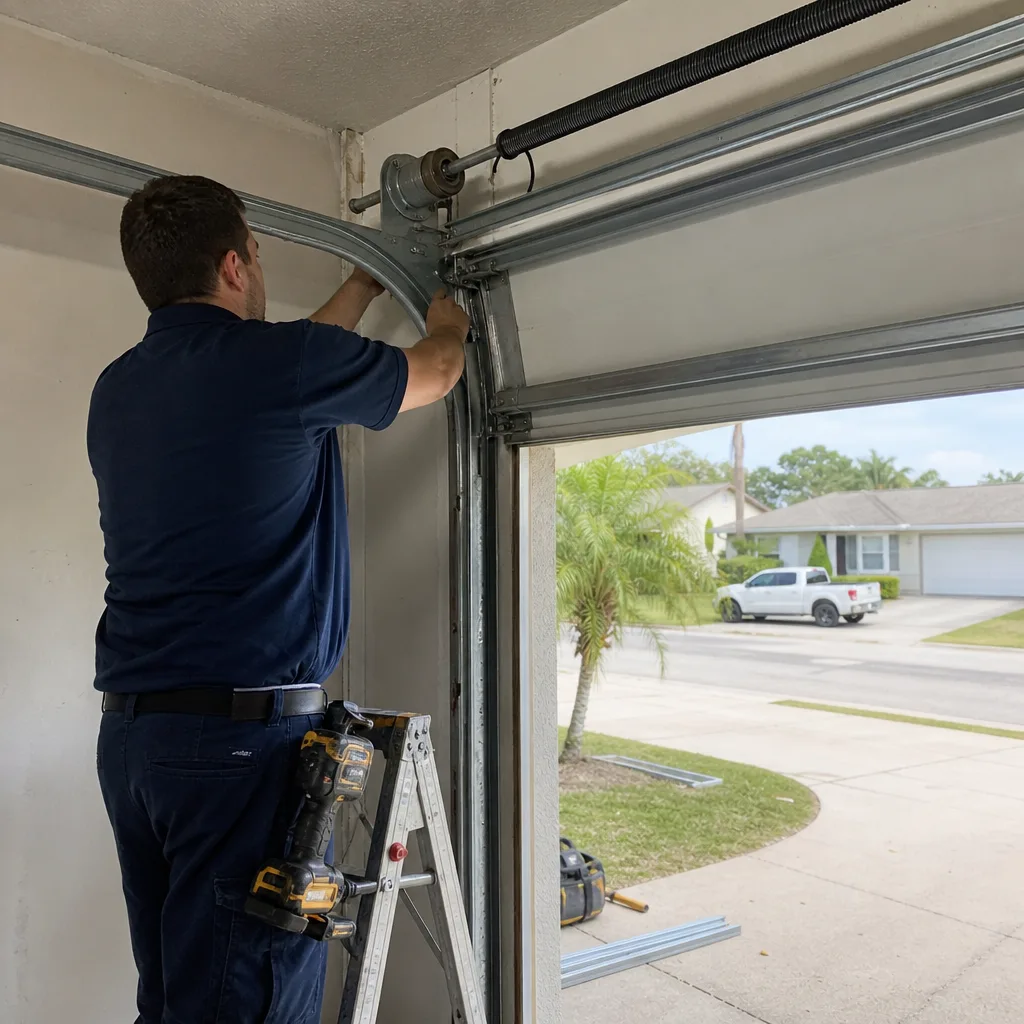
Last updated November 21, 2026
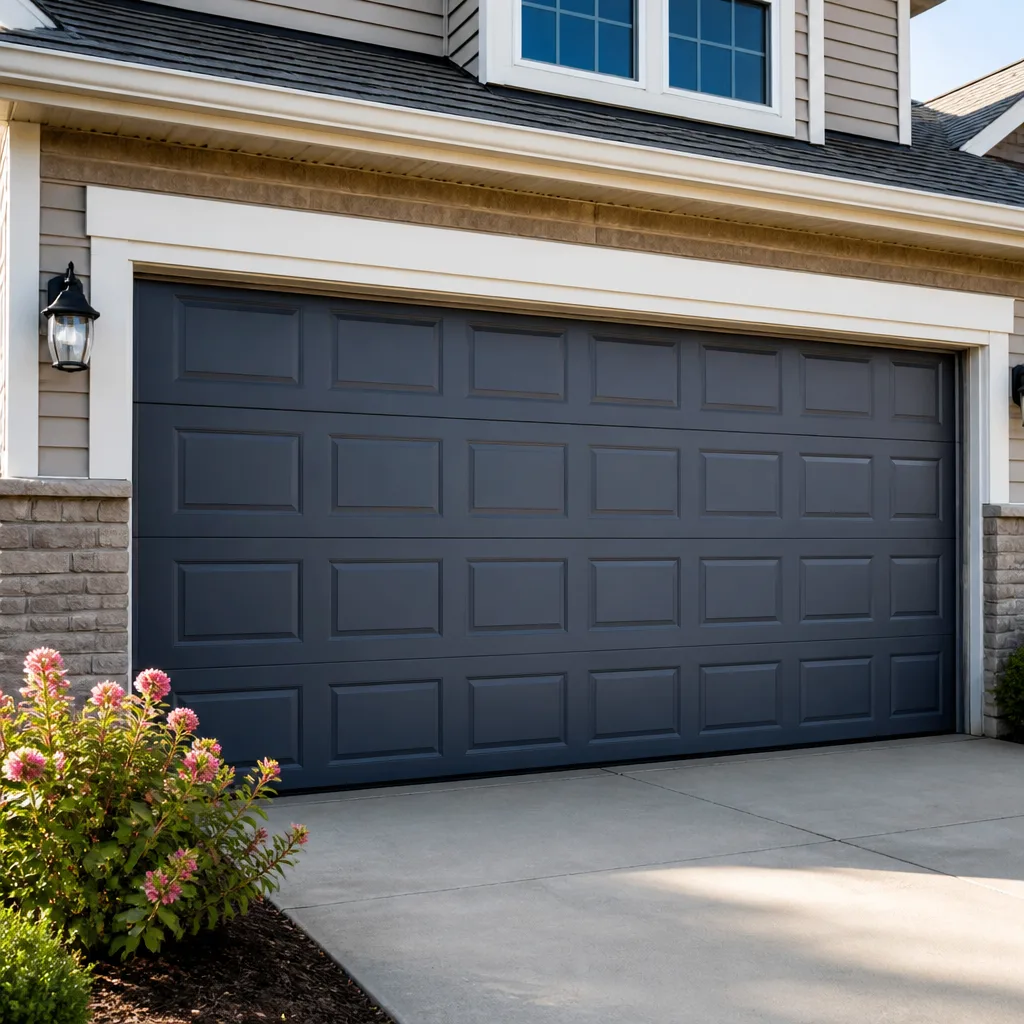 Raised-panel steel
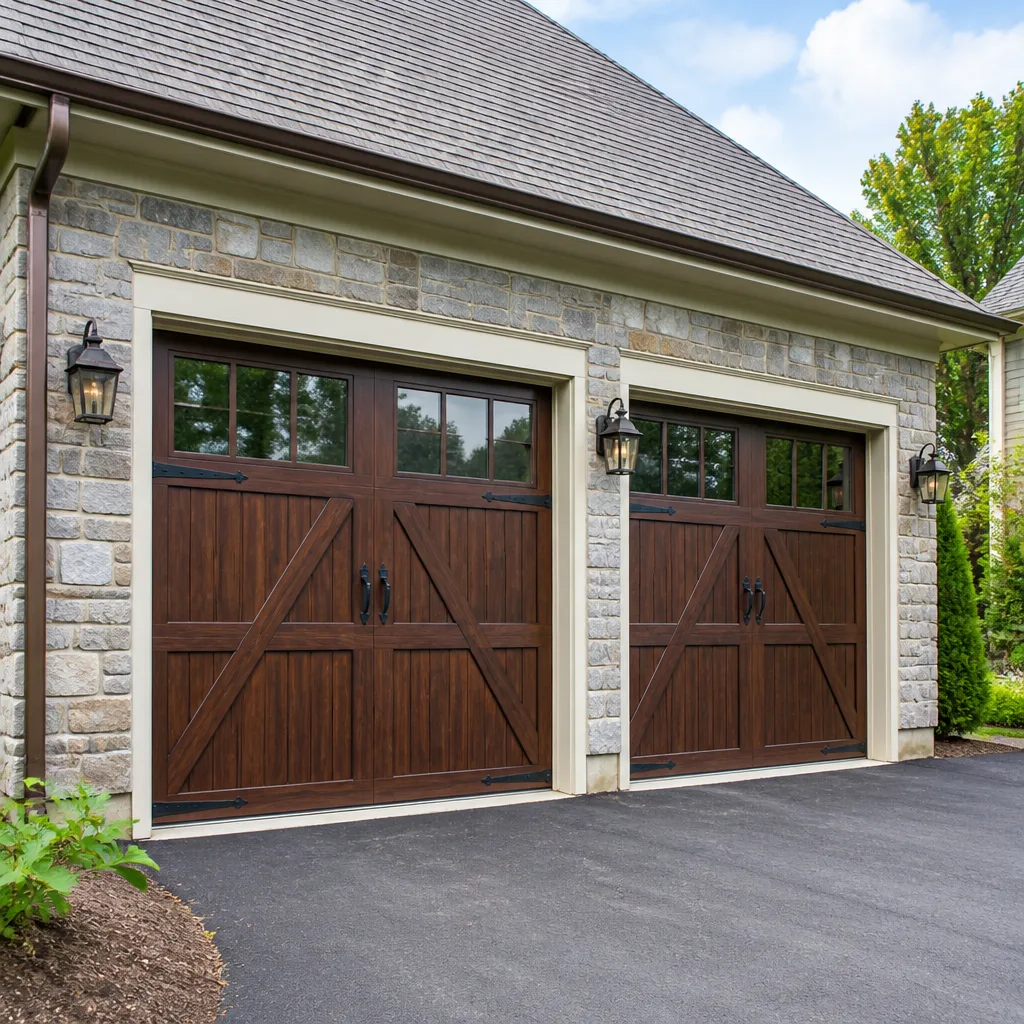 Carriage house
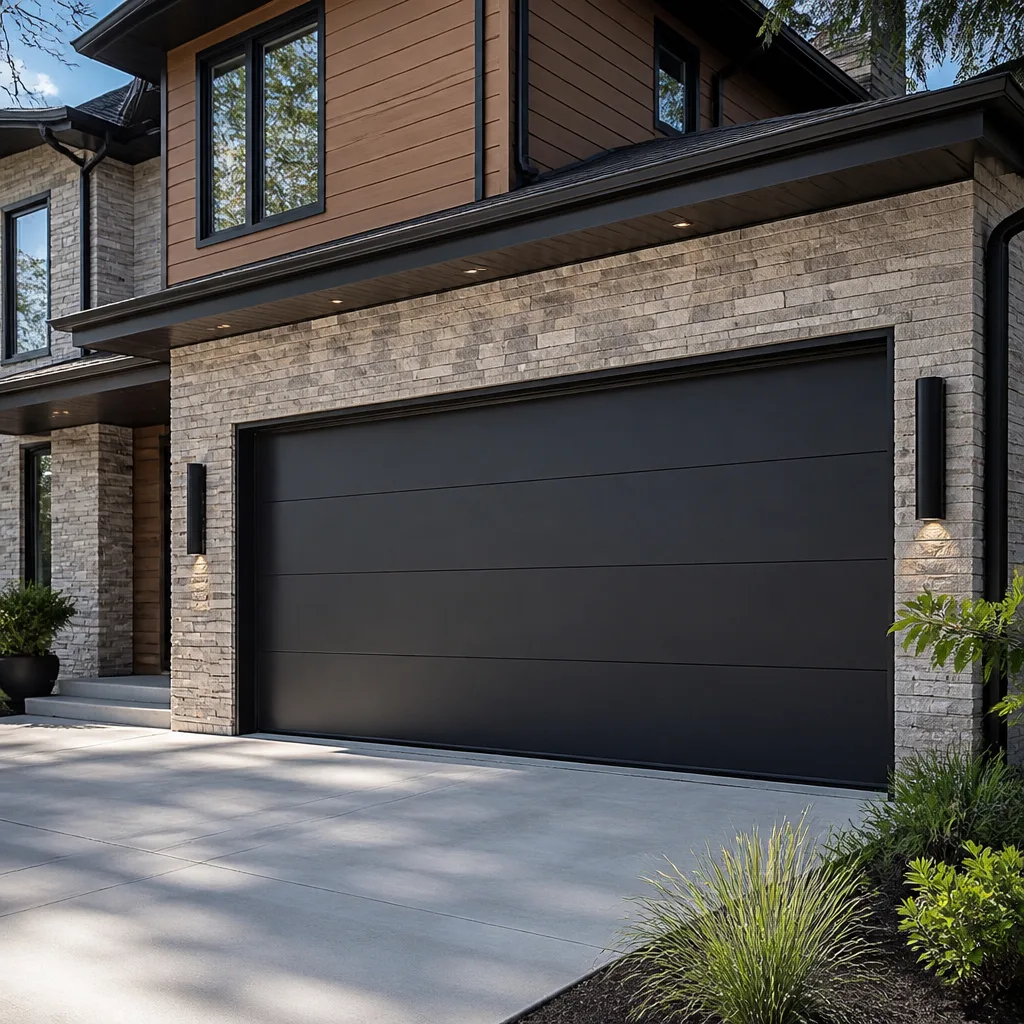 Modern flush
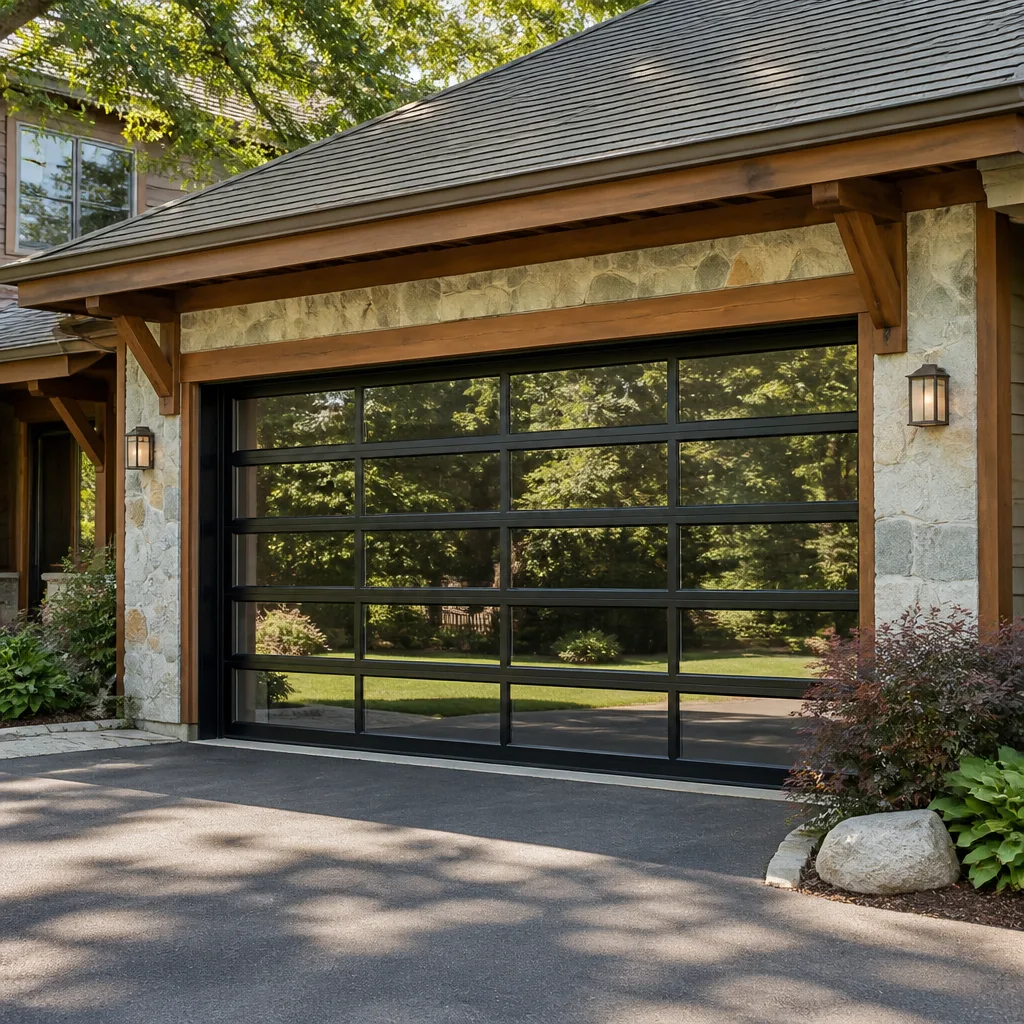 Full-view glass
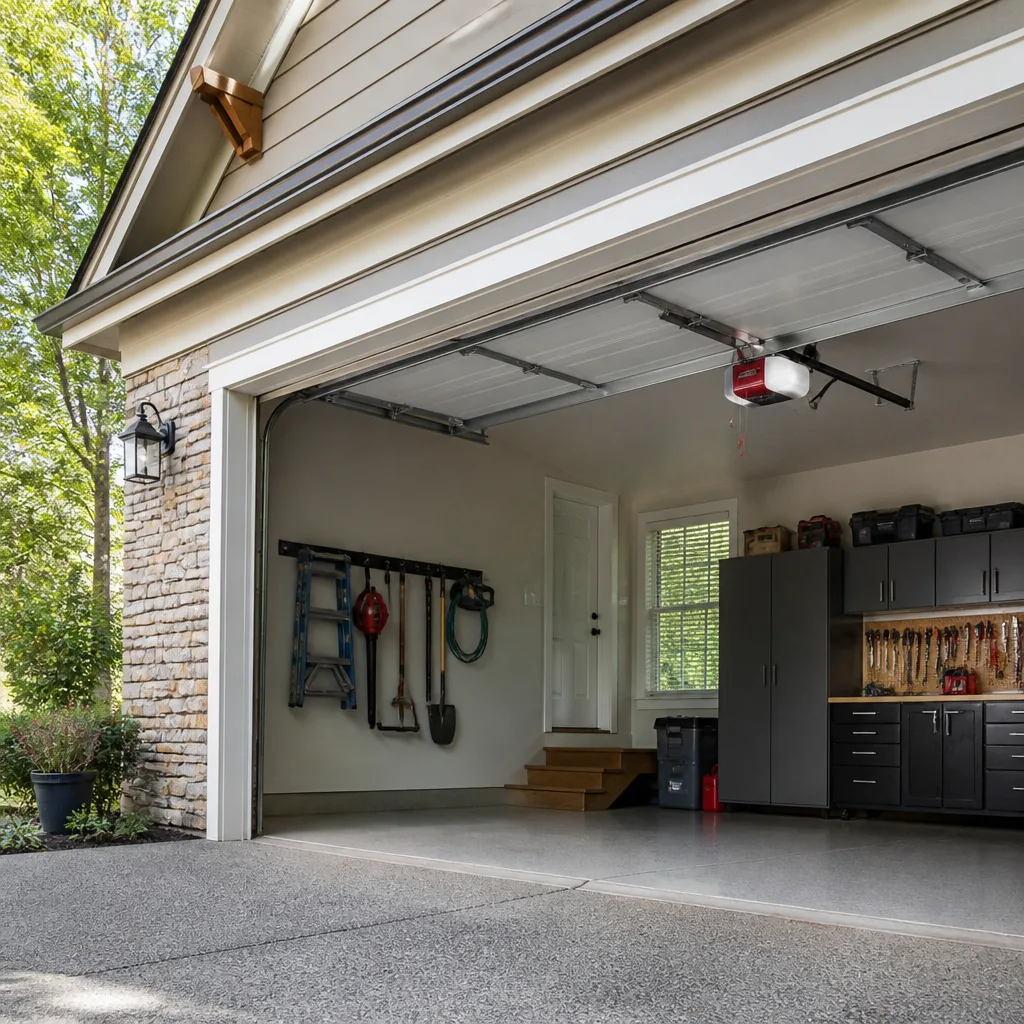 LiftMaster openers
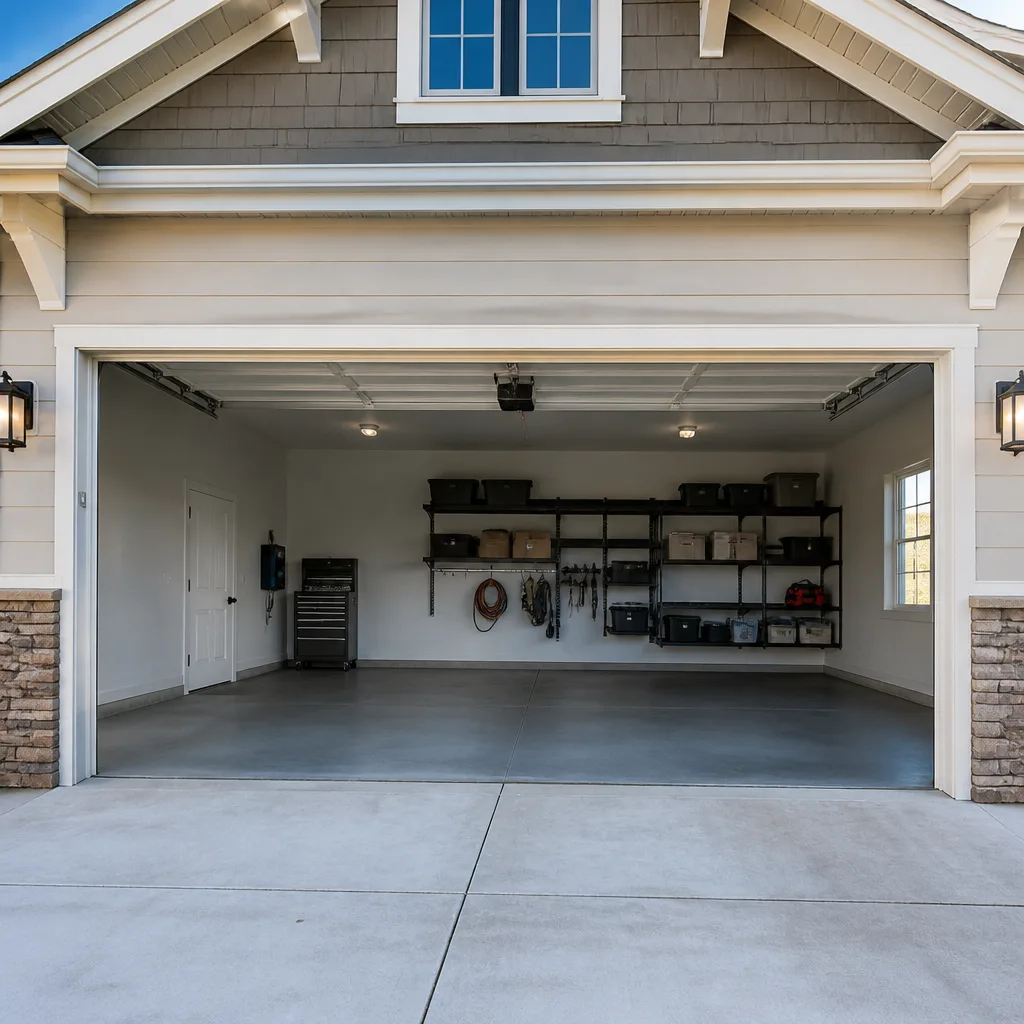 Chamberlain openers
Full 25-point door and opener safety check with every visit - springs, cables, rollers, tracks, and your LiftMaster or Chamberlain opener included
You get a price before we start. It does not change when the pro arrives.
Get your free estimateChoosing the Right Garage Door Brand: A Buyer’s Guide for Palm Bay
The most popular garage door brand in a northern state might be a poor choice for Palm Bay. Not because it’s low quality, but because its hardware coating wasn’t engineered for coastal humidity, and its impact-rated options are limited in the door styles that fit Florida home aesthetics. We’ve watched homeowners here spend good money on a brand they recognized from a television ad, only to find replacement hinges pitting within a few seasons and a warranty that assumes a climate this peninsula doesn’t have. This guide is about picking a brand the way a Palm Bay homeowner actually should: by corrosion resistance, wind-load availability, local parts access, and how the door looks on the front of a Florida house. The name on the box matters far less than those four things.
Quick Answer
For a Palm Bay home, the right garage door brand is the one that offers a corrosion-resistant finish, a wind-load rating that meets your exposure, and replacement hardware you can get locally in Brevard County. Clopay, Wayne Dalton, Amarr, and CHI all meet those tests in different ways, and the best pick depends on whether you have a direct-wind corner lot, an interior subdivision home, or a new build that needs impact-rated panels in a carriage-house style. A brand that checks all four boxes for your specific house is worth more than the one with the biggest ad budget.
Styles & brands we work with
- Raised-panel steel
- Carriage house
- Modern flush
- Full-view glass
- LiftMaster openers
- Chamberlain openers
Table of Contents
- Why Brand Choice Is Different in Palm Bay
- The Four Criteria That Actually Matter
- Clopay vs. Wayne Dalton vs. Amarr vs. CHI: A Side-by-Side Comparison
- Why Local Parts Availability Beats National Reputation
- Matching Door Material to Your Palm Bay Home’s Exposure
- Curb Appeal and Performance: Finding Both in Popular Florida Styles
- What a Reputable Palm Bay Installer Should Tell You
- Openers and Smart-Home Integration: Don’t Ignore the Other Half
Why Brand Choice Is Different in Palm Bay
Palm Bay sits in Brevard County, and that location changes the math on garage doors more than most buyers expect. Two forces drive it. First, humidity and warm air hold moisture against steel and hardware year-round, so the finish system on a door matters more here than the gauge of the steel alone. A powder-coat or galvanized treatment that holds up in a dry climate can still be the weak point in a Palm Bay installation if it wasn’t designed for sustained moisture. Second, the Florida wind code that governs new construction and major replacements in this part of Brevard asks for doors rated for specific wind pressures, and not every brand offers a rated option in every style.
There’s a third factor, and it’s the one buyers forget: aesthetics. Palm Bay homes don’t look like the homes that brand catalogs were photographed in front of. The newer subdivisions around Bayside Lakes and the established streets west of the interstate favor carriage-house panels, neutral tones, and clean contemporary lines more than heavily paneled traditional doors. A brand can build a superb door and still have nothing in its rated lineup that suits a Florida elevation. That’s a real limitation for a buyer, even if it says nothing bad about the manufacturer.
So when we look at a door for a Palm Bay house, we’re weighing finish, wind rating, and available style together. None of them is negotiable on its own. A beautiful door that can’t take the wind pressure is a liability. A rated door whose finish doesn’t hold in humidity is a maintenance problem waiting to happen. The brand that gets all three right for your specific elevation is the right brand.
The Four Criteria That Actually Matter
Before you compare a single brand, decide what you’re actually grading them on. Here are the four tests we run every door through, in order.
- Wind-load rating available in your style. Brevard County’s wind requirements push toward rated doors for many installs. A brand that offers a rated door in a carriage-house style is worth more to a Palm Bay buyer than one that only rates its basic flush panels.
- Corrosion-resistant finish system. Look for galvanized steel as a base, hot-dip or zinc-coated hardware, and a documented powder-coat or paint process. Ask what the finish warranty says about moisture – not just about peeling, but about the hardware that comes with the door.
- Steel gauge and construction. Thicker steel isn’t automatically better, but a 24-gauge or 25-gauge skin with proper struts and reinforcement holds up to wind pressure better than a thin-panel door that relies on insulation for its stiffness. Ask whether the door’s wind rating depends on added struts, and whether those struts are part of the rated assembly.
- Local parts accessibility. When a hinge, roller, or bottom seal needs replacing, can a Palm Bay technician get the part in days or does it ship from out of state? This is the criterion almost nobody asks about at the showroom, and it’s the one that shows up a year later.
Notice what isn’t on the list: brand recognition. A name you’ve seen on a billboard tells you something about marketing, not about how that brand’s door will perform on a Palm Bay home. We’ve worked on nearly every system a homeowner already owns, including doors from Raynor and openers from LiftMaster and Chamberlain, and the doors that last here are the ones bought against these four criteria, whatever the logo says.
Clopay vs. Wayne Dalton vs. Amarr vs. CHI: A Side-by-Side Comparison
These four brands cover most of the residential market a Palm Bay buyer will encounter, and each has real strengths. Here’s how we evaluate them on the criteria above. Treat this as a starting framework – a specific model within a brand can differ from the brand’s general pattern.
Corrosion-Resistant Finish Options
Clopay offers broad finish and color programs, and its steel doors typically use galvanized steel with a baked-on paint finish. The variety of colors helps a Palm Bay owner match a Florida elevation without ordering a custom color. Amarr leans on value and offers steel doors with a durable factory finish and a strong color selection, which suits buyers who want a rated door without a premium finish upcharge. Wayne Dalton offers powder-coated and painted finishes on its steel lines, and its hardware packages vary by line. CHI has built much of its reputation on finish quality and construction in its steel and overlay lines, which makes it worth a serious look in a humid climate.
Available Wind-Load Ratings
All four brands offer wind-rated door options, but the available styles differ. Clopay’s rated options span several panel styles. Amarr and Wayne Dalton also offer rated assemblies, and CHI offers rated doors in its main steel lines. The practical question for a Palm Bay buyer isn’t which brand “has wind rating” – they all do – but which brand has a wind-rated version of the exact style you want. Ask that question with the style sample in front of you, not in the abstract.
Steel Gauge
Gauge varies by model, not just brand. You’ll see 24-gauge and 25-gauge skins in residential doors across Clopay, Amarr, Wayne Dalton, and CHI. A 24-gauge door with proper struts will typically outperform a thinner door on wind pressure, so gauge and rated assembly go together. Ask what gauge the rated assembly uses, and whether the struts are included or added.
Warranty Coverage in a Humid Climate
Warranty language matters here. Read what each brand’s warranty says about the finish and the hardware separately, and look for terms that address corrosion. A finish warranty that assumes a dry climate can leave a Palm Bay owner covering rust repairs out of pocket. Ask the installer to show you the finish warranty language before you sign, and read the hardware exclusion list, since that’s where corrosion claims often get narrowed.
Why Local Parts Availability Beats National Reputation
Here’s the scenario that separates a good brand decision from a great one: two years from now, a hinge or bottom seal on your door needs replacing. A door from a brand with distributor stock in Brevard County gets fixed quickly. A door from a brand without it means waiting on hardware that ships from out of state, and in the meantime, your car is in the driveway. That wait is the hidden cost of brand selection, and it never shows up in the catalog.
Local availability matters most for the parts that fail first, and it’s worth knowing which those are:
- Hinges and rollers – the parts that move every time the door opens, and the first to wear.
- Bottom seals – the rubber or vinyl strip that keeps weather and pests out and takes humidity damage first.
- Lift cables and drums – these fail less often but can’t wait when they do.
- Panel sections – a damaged panel from a storm or a bumped car is the biggest test of local stock, since panels are large and style-specific.
When you’re choosing between brands that otherwise suit your house, ask the installer which one has hardware and panel sections stocked locally and which require a wait. That question alone will tell you more about how your door will hold up in Palm Bay than any brochure. It’s also why we keep repair work front and center: a door that can be repaired with local parts is a door that stays on your house. If a panel or a section can’t be sourced, replacement becomes the answer, and that’s a different decision. You can read more about garage door repair options if you’re weighing repair against replacement right now.
Matching Door Material to Your Palm Bay Home’s Exposure
The same brand and the same model can be the right choice on one Palm Bay lot and the wrong one on another, because exposure changes what the door has to survive. A corner lot with direct wind exposure and little shielding from neighboring structures puts more stress on a door than an interior subdivision home surrounded by other homes and landscaping. The material and gauge decision should follow from that difference.
Steel
Steel is the default for most Palm Bay homes, and for good reason: it’s the most cost-effective way to get a rated door with a range of styles. The key is the finish system and the gauge. On an exposed corner lot, a 24-gauge steel door with a rated assembly and hot-dip or zinc-coated hardware is a reasonable baseline. On a protected interior lot, a 25-gauge door in a rated assembly is often plenty.
Aluminum
Aluminum doors resist rust at the metal level, which appeals to a lot of Florida buyers. The trade-off is that aluminum is lighter and typically needs a rated assembly to handle wind pressure, and full-view aluminum doors with glass panels add considerations for impact resistance. Where aluminum shines is in contemporary styles, and it doesn’t rust the way steel can if the finish gets scratched.
Composite and Wood-Look
Composite doors give you the look of wood without the upkeep, and they hold up better than real wood in humidity. They cost more, and available wind ratings and styles vary by brand. If a carriage-house wood-look door is the goal and the lot is exposed, confirm the rated assembly before you fall in love with the sample.
Whichever material you lean toward, ask the installer to match it to your lot, not just your taste. A door that’s perfect for an interior subdivision home and under-spec’d for an exposed corner is a brand decision that cost you money twice.
Curb Appeal and Performance: Finding Both in Popular Florida Styles
The styles that sell in Palm Bay new construction and renovation aren’t always the styles a brand rates first. Carriage-house doors with decorative hardware and window inserts are everywhere in the newer subdivisions, and contemporary flush or full-view doors show up in modern builds and remodels. Both are attractive. Both need a rated version you can actually order.
This is where the overlap gets thin. Some brands offer rated carriage-house panels but only in a narrow color range. Others rate their contemporary styles but not with the window configurations buyers want. A few rate almost everything, which is where brands like Amarr and Clopay tend to be strong. CHI rates much of its steel line, and Wayne Dalton’s rated options cover its main styles. The practical move is to walk into the conversation with photographs of the elevation you want, then ask for the rated version of that exact style. If the answer is “we can do that style, but not wind-rated,” you’ve learned something important before you’ve spent a dollar.
One more consideration: window inserts and decorative hardware are the parts that date a door fastest, and the parts most likely to need replacement. A brand with local stock of those inserts keeps the door looking current without a full replacement. When we talk to Palm Bay homeowners about curb appeal, we treat those components as part of the performance package, not an afterthought.
What a Reputable Palm Bay Installer Should Tell You
A good installer will ask you questions before recommending a brand. That’s the first sign you’re dealing with someone who’s matching a door to a house rather than moving inventory. Here’s what the conversation should include, and what it should sound like.
- They ask about your lot and exposure. Interior subdivision, corner lot, open exposure to wind – the answer changes the rating and gauge recommendation.
- They ask what style you want, with photos. And then they check whether the rated version of that style is available, not the other way around.
- They talk about finish and hardware, not just color. A finish recommendation that ignores humidity is a sign the installer is selling, not advising.
- They can tell you which brands have local parts access. If they can’t answer that, they’re not thinking about year three.
- They give you a written estimate with the brand and model spelled out. The written quote is the price, and the brand and model should be on it before any work starts.
- They offer options across more than one brand. A contractor who pushes the same brand no matter what you describe is a yellow flag. It might be a fine brand, but the recommendation isn’t about you.
We think of it as the same door, fixed right – whether that’s a repair or a full replacement. If a repair turns into a replacement job, you shouldn’t have to find a second company. That’s also why we handle garage door opener repair as its own service: a door decision and an opener decision are connected, and someone should be able to help with both.
When a recommendation starts with your lot, your style, and your exposure, and only then names a brand, you’re getting advice. When it starts with a brand and works backward, you’re getting a sales pitch. Ask which it is. A good Palm Bay installer won’t mind the question.
Openers and Smart-Home Integration: Don’t Ignore the Other Half
A garage door is half a system. The door is the visible half; the opener is the half that decides whether the door moves, and it’s the half most homeowners can’t troubleshoot themselves. Brand selection for the door is worth careful thought, and so is the opener platform, because the two need to work together for years.
The opener brands you’ll encounter most in Palm Bay homes are LiftMaster, Chamberlain, Genie, and Craftsman, and each has strengths. LiftMaster and Chamberlain share a great deal of engineering and both support modern smart-home features. Genie covers a broad range of traditional systems. Craftsman shows up on a lot of older doors. Which one is under your ceiling matters less than whether it’s matched to the door’s weight and whether replacement parts are locally available. A heavy rated door needs an opener sized for it, and an opener sized for a lighter door will strain and fail early.
Smart-home integration is the newer consideration. If you want to open the door from your phone or connect it to a home system, the opener platform has to support that, and not every older unit does. That’s a reason to consider the opener at the same time as the door rather than a year later. When a spring or cable fails, the opener is often working overtime, which is another reason to look at the system as a whole. If you suspect the spring is the problem, our garage door spring repair page covers what that involves and how we handle the high-tension side safely. Springs are the most dangerous part of any garage door, and we treat them that way.
Common Mistakes to Avoid
- Buying on brand recognition alone. A brand you know from advertising may have limited rated options in the style that fits a Florida elevation. Check the rated version before you commit.
- Ignoring the finish system. In Palm Bay’s humidity, a finish that wasn’t designed for moisture is the failure point, not the steel. Ask what the finish warranty covers and read the hardware exclusions.
- Not asking about local parts access. A door that needs a hinge shipped from out of state sits in your driveway. Ask which brands have hardware stocked locally in Brevard County.
- Choosing an exposed corner lot’s door the same way as an interior home’s. The exposure difference is real. A door spec’d for a protected interior subdivision home can be under-rated on a corner lot with direct wind.
- Buying a door and an opener separately. The opener has to be sized for the door’s weight. Choosing them together avoids a mismatch that shortens the life of both.
- Falling for a single-brand installer. A contractor who recommends the same brand regardless of your lot, style, and exposure is selling inventory, not matching a door to your house.
- Skipping the written estimate. The written quote is the price, and it should name the brand and model before any work starts. If it doesn’t, ask for one that does.
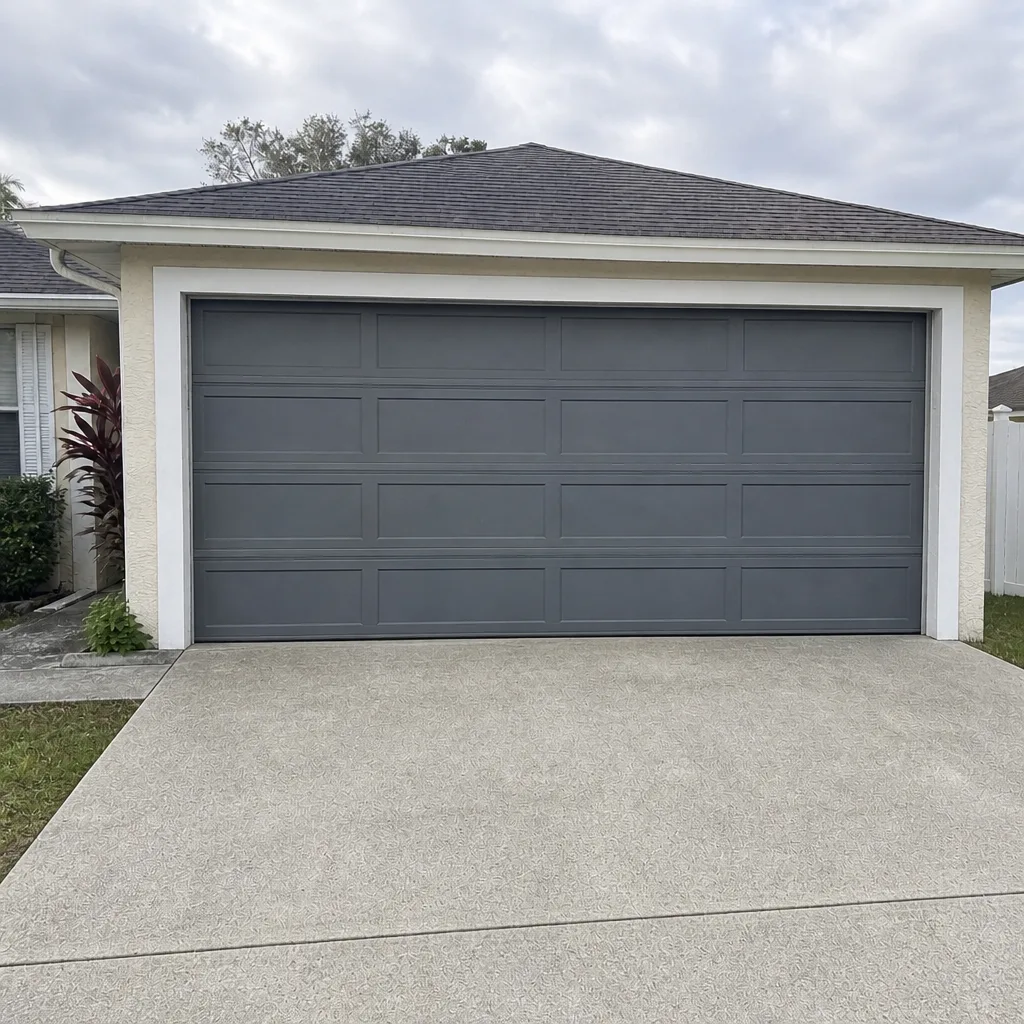
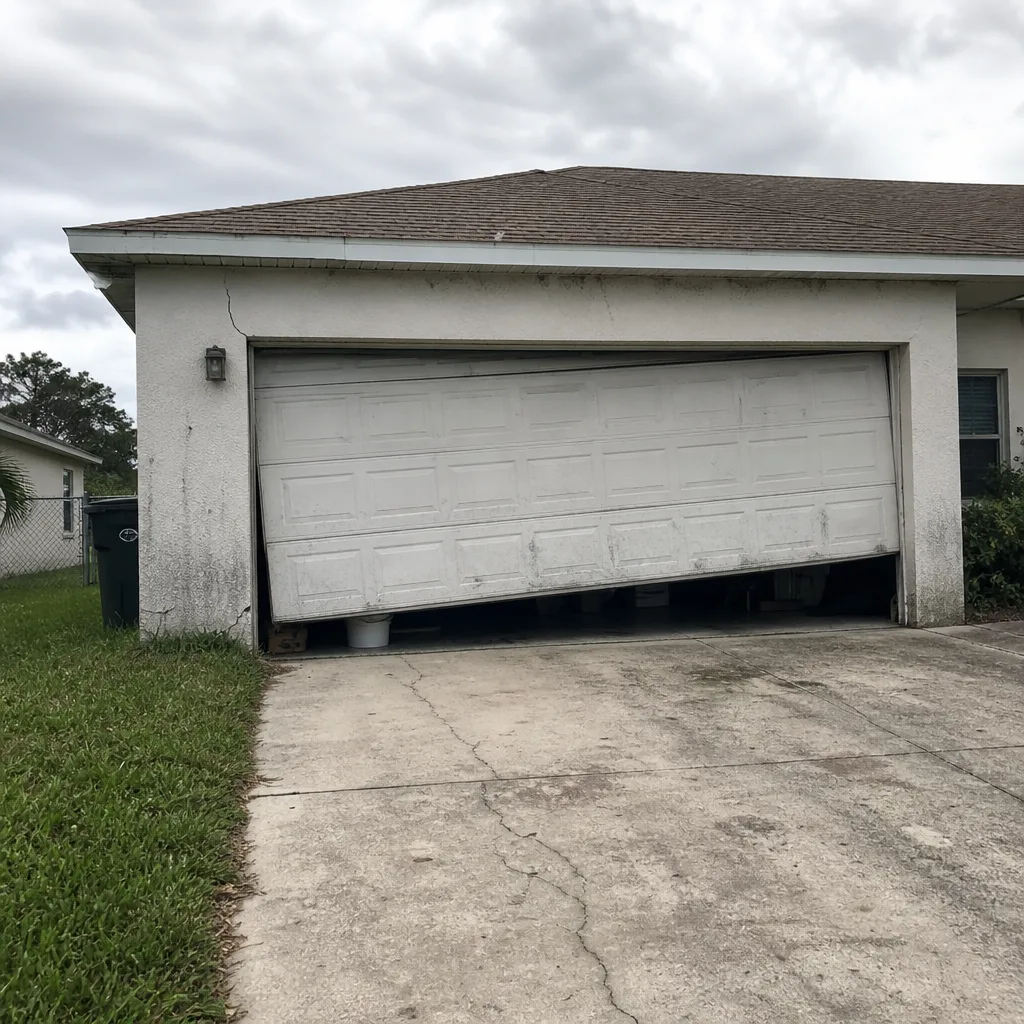
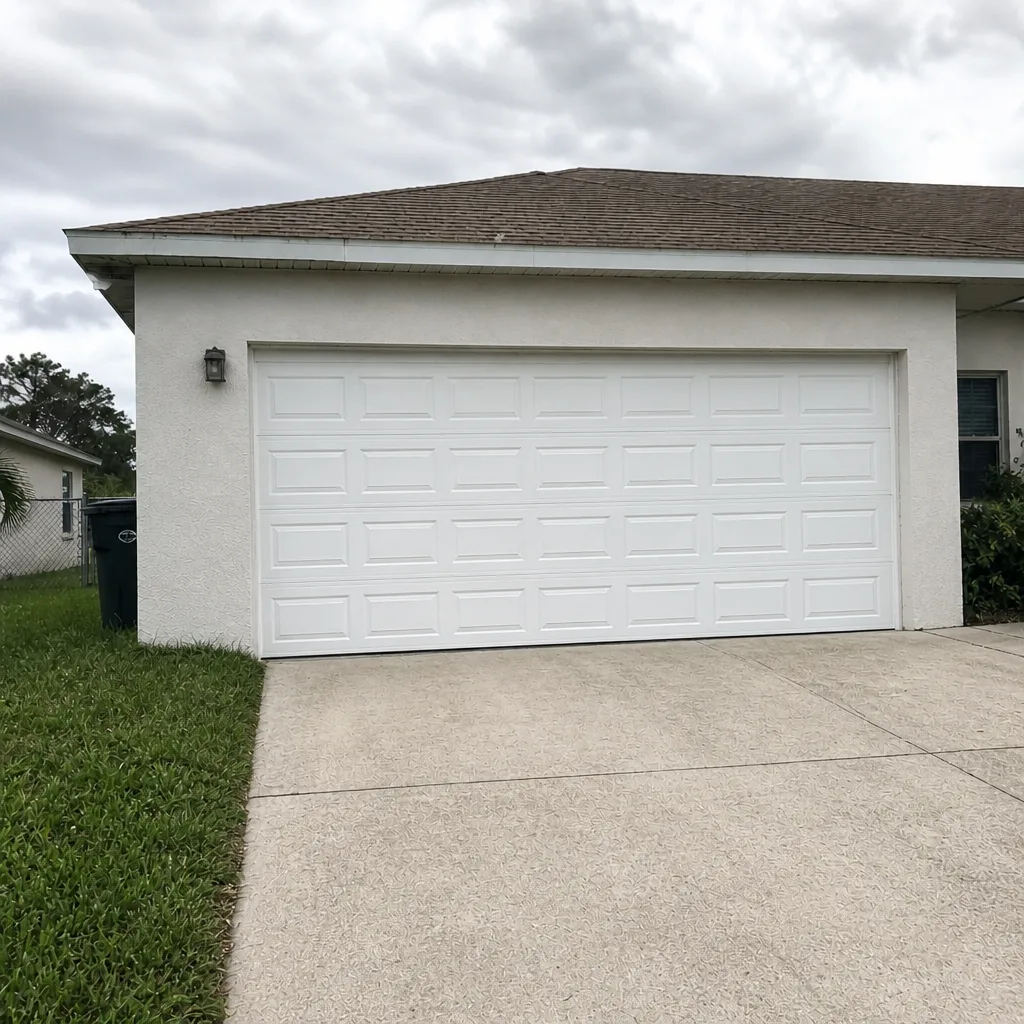
See the difference
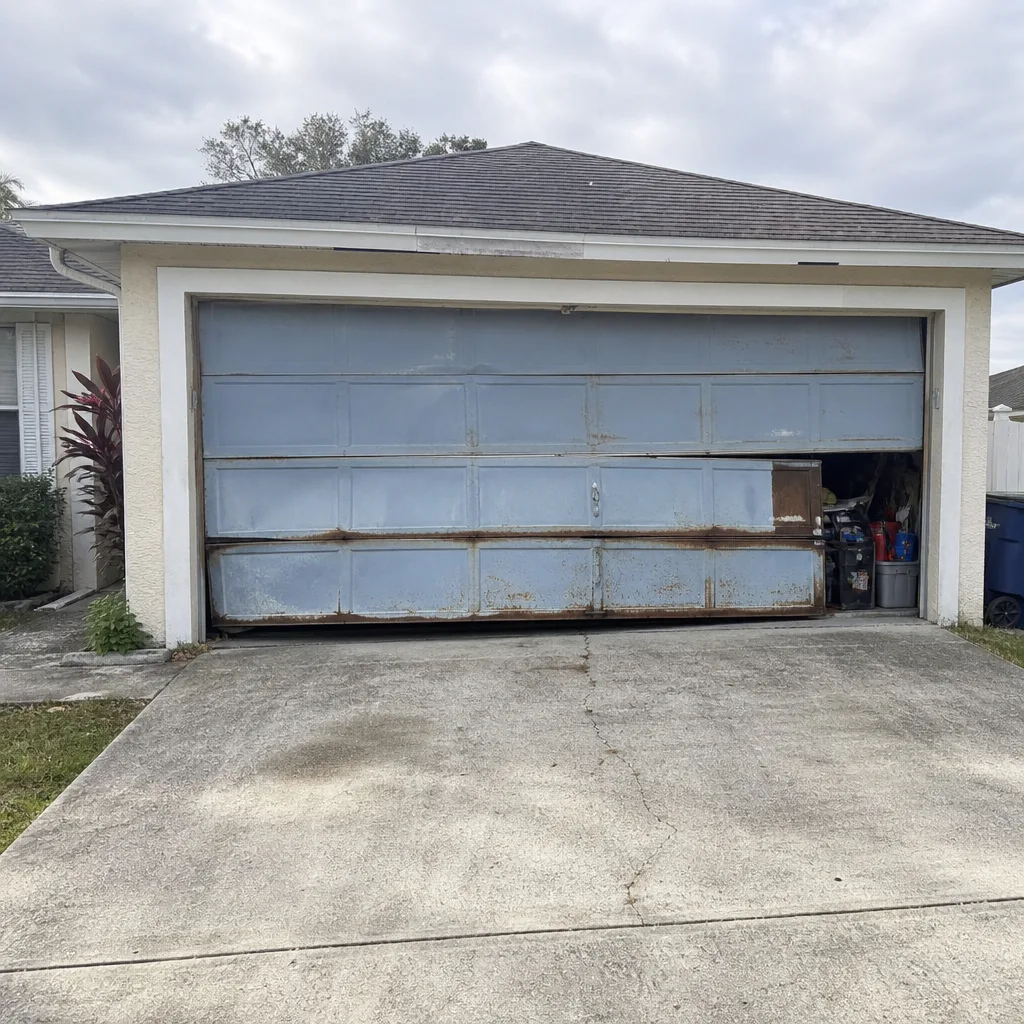 Before
 After
 Before
 After
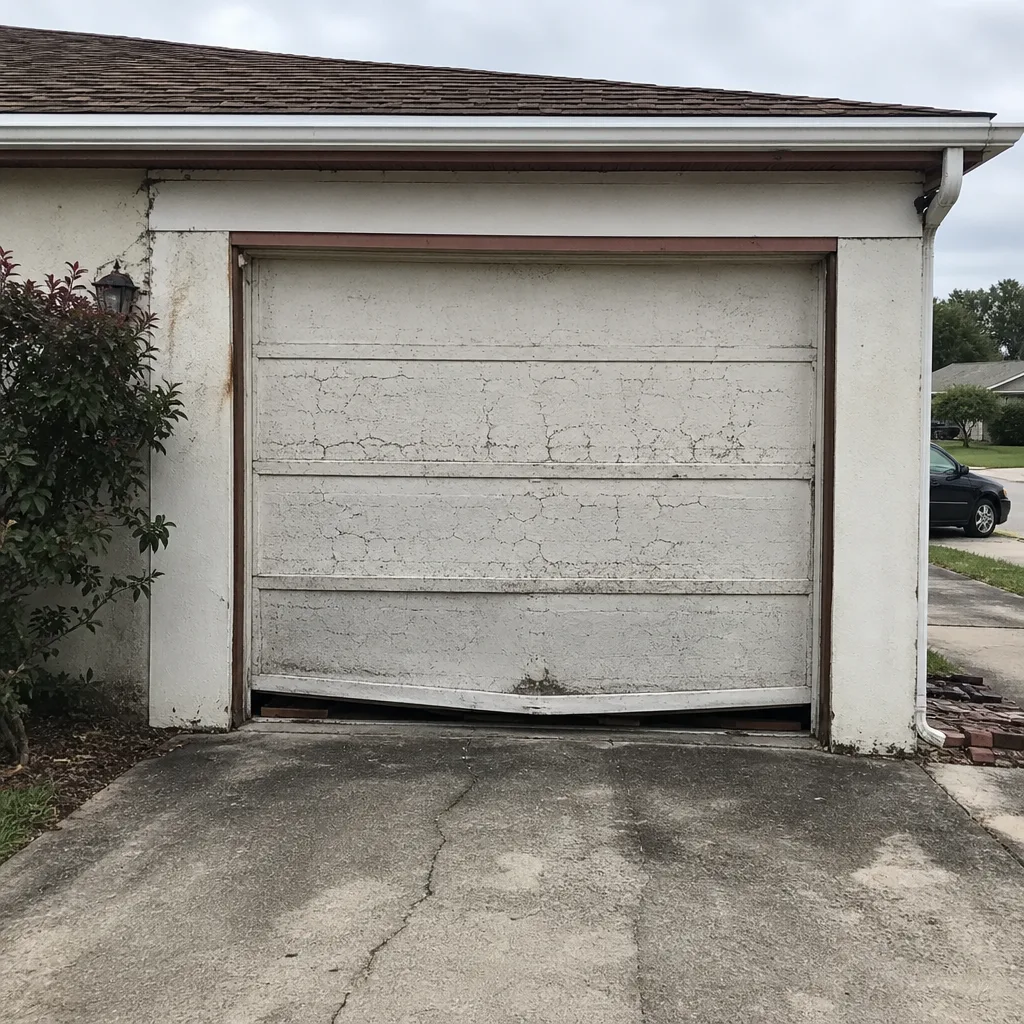 Before
 After
When to Call a Professional
Brand selection is a decision you can research, but a few situations call for a professional on-site look before you choose. If your door is rated for a lower wind pressure than your exposure requires, a professional can confirm what your lot actually needs before you order. If a spring, cable, or opener failure is already underway, that’s a repair decision, not a brand one, and needs attention now. And if you’re replacing a door on an exposed lot, the rated assembly details and strut configuration should be confirmed by someone who installs them.
Palm Bay Garage Door Repair Co offers free estimates in Palm Bay – call (833) 762-4168. We answer 24/7. Fast dispatch from 7am to 7pm, Sunday through Friday. Our technicians have up to 13 years of experience, and we work on your brand across eight major brands, including Raynor and LiftMaster. When the door won’t move, we do.
Frequently Asked Questions
There’s no single best brand for every Palm Bay home; the right one depends on your exposure, the style you want, and local parts access. For most buyers, a brand that offers a corrosion-resistant finish, a rated version of your desired style, and hardware stocked locally in Brevard County is the right choice, and Clopay, Amarr, Wayne Dalton, and CHI each meet those tests in different ways. Call (833) 762-4168 for an exact recommendation; estimates are free.
For many installations in Brevard County, yes, a wind-rated door is the safe and code-aligned choice, especially on exposed or corner lots. The exact requirement depends on your lot and the door’s opening, so confirm with the installer and your city’s building department before ordering. A rated door that fits your style is worth the search.
We work on your brand across eight major garage door and opener brands: LiftMaster, Chamberlain, Genie, Clopay, Amarr, Wayne Dalton, Craftsman, and Raynor. That covers nearly every system a Palm Bay homeowner already owns, so you don’t need to find a different company when a repair turns into a replacement job. Call (833) 762-4168 to book a free estimate.
Ask the installer directly which brands have hardware and panel sections stocked locally in Brevard County and which require a wait. The parts that fail first – hinges, rollers, bottom seals, and cables – are the ones local availability matters most for. If the answer is vague, that’s useful information before you order.
Not necessarily. Price tracks finish quality, gauge, style, and features, not humidity performance on its own. A well-finished, properly gauged door from a brand with local parts access can outperform a pricier door whose finish wasn’t designed for a humid climate. Match the door to your lot and exposure first, then compare price within that set.
Yes. We offer Palm Bay Garage Door Repair Co services across repair, opener repair, spring repair, installation, and emergency calls, so we can tell you whether a repair makes sense or a replacement is the better call. Same door, fixed right, and if it’s time for a new one, we handle the installation too. Call (833) 762-4168 for a free estimate. We answer 24/7. Fast dispatch from 7am to 7pm, Sunday through Friday.
The Bottom Line
The right garage door brand for your Palm Bay home is the one that fits your lot, not the one with the loudest marketing. Check four things before you buy: a rated version of the style you want, a corrosion-resistant finish with a warranty that speaks to humidity, a steel gauge and strut assembly that match your exposure, and local parts access in Brevard County so a repair doesn’t become a wait. Compare Clopay, Amarr, Wayne Dalton, and CHI on those points, and be wary of any installer who pushes a single brand regardless of your situation. Do that, and your door decision will hold up for years, not just for the sales cycle.
When you’re ready for a free estimate, call (833) 762-4168. We answer 24/7. Fast dispatch from 7am to 7pm, Sunday through Friday. Same-day service is available for urgent failures.
Written by the team at Palm Bay Garage Door Repair Co.