
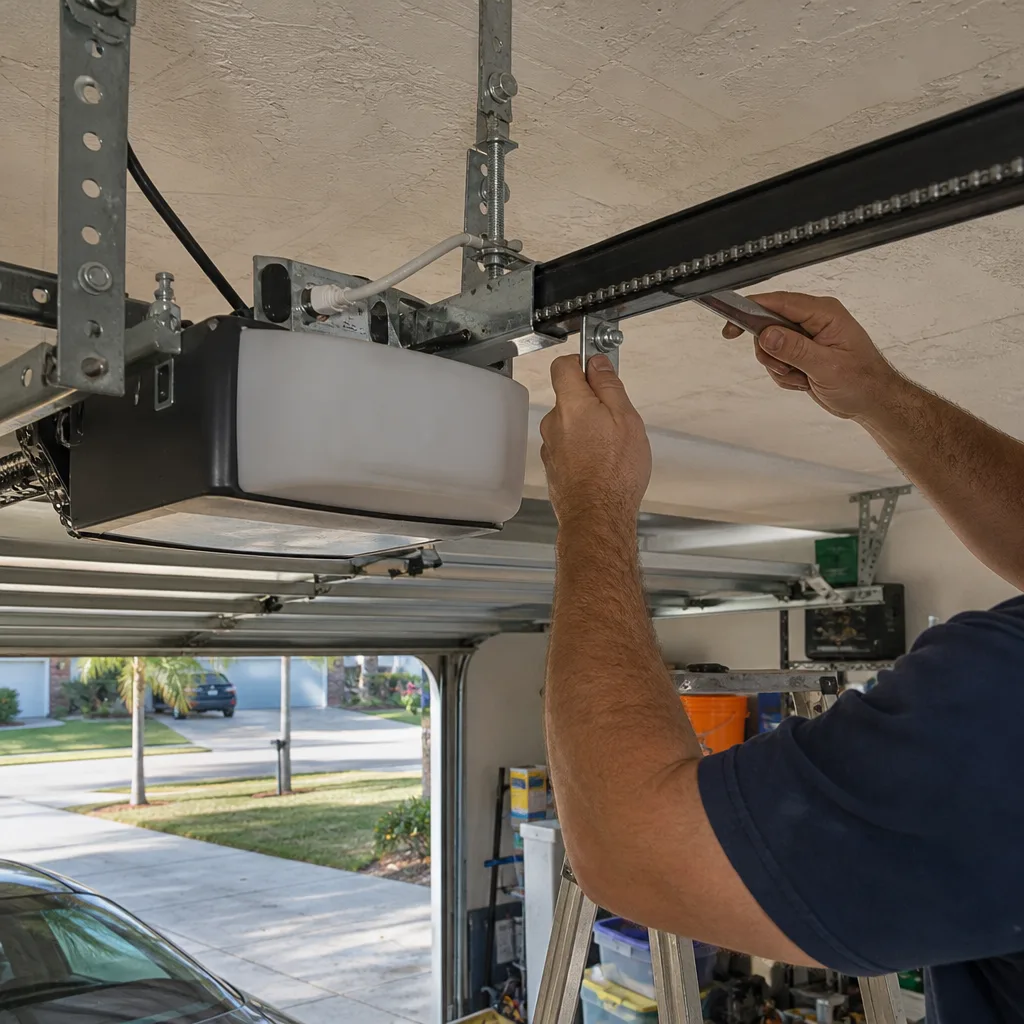
Last updated November 21, 2026
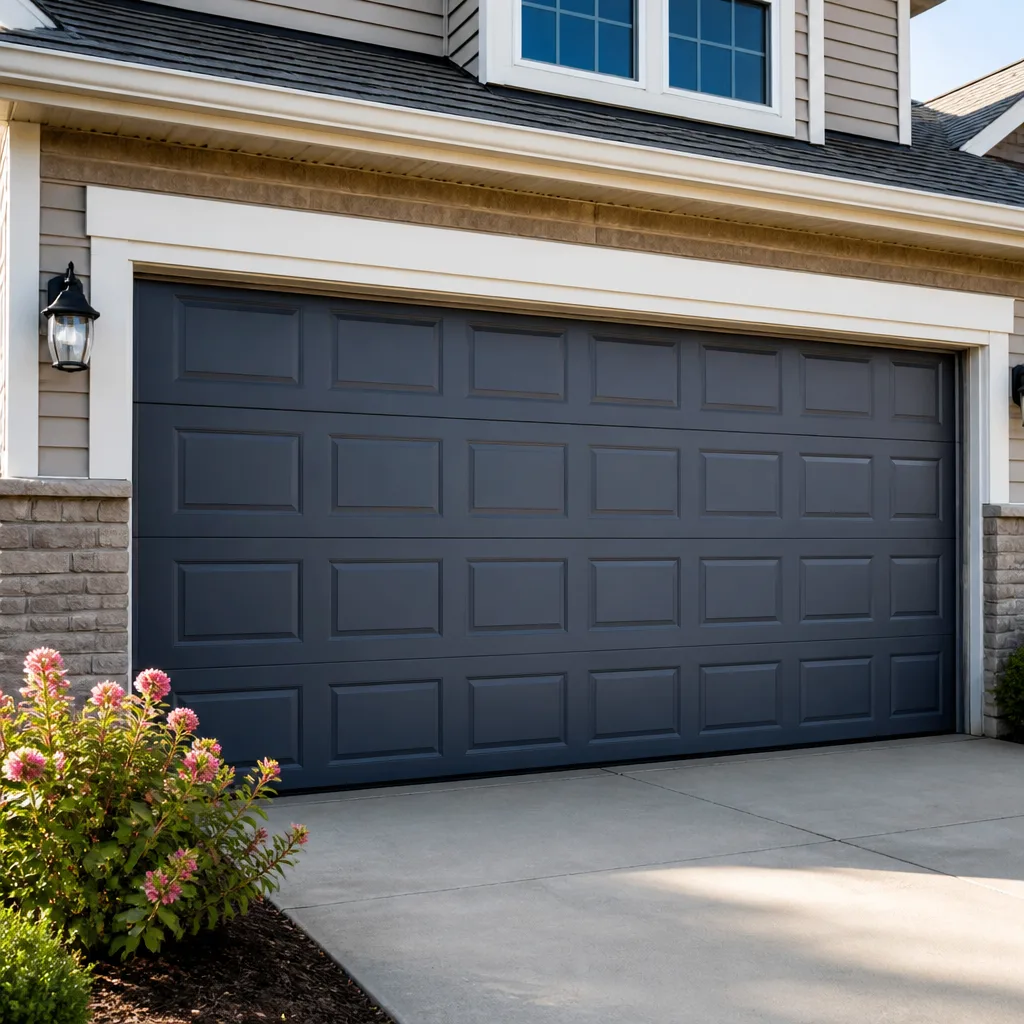 Raised-panel steel
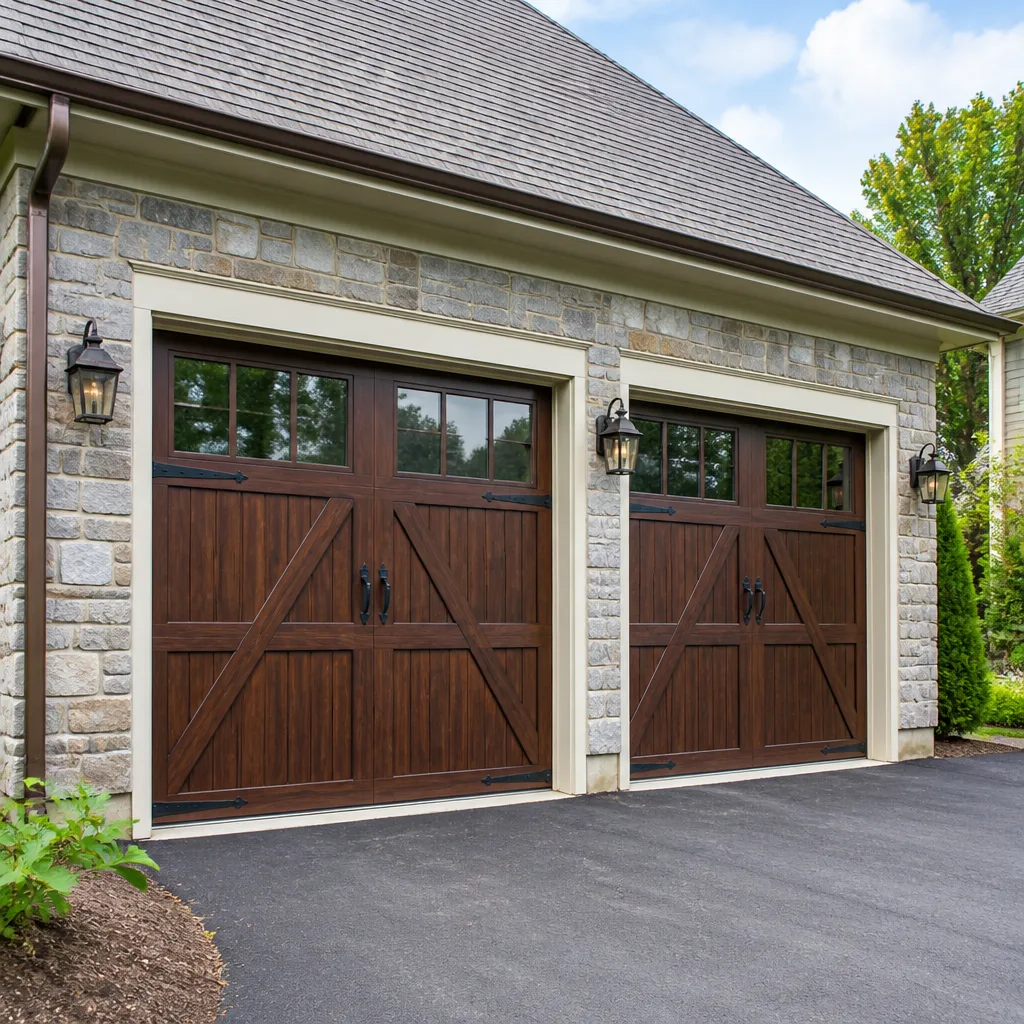 Carriage house
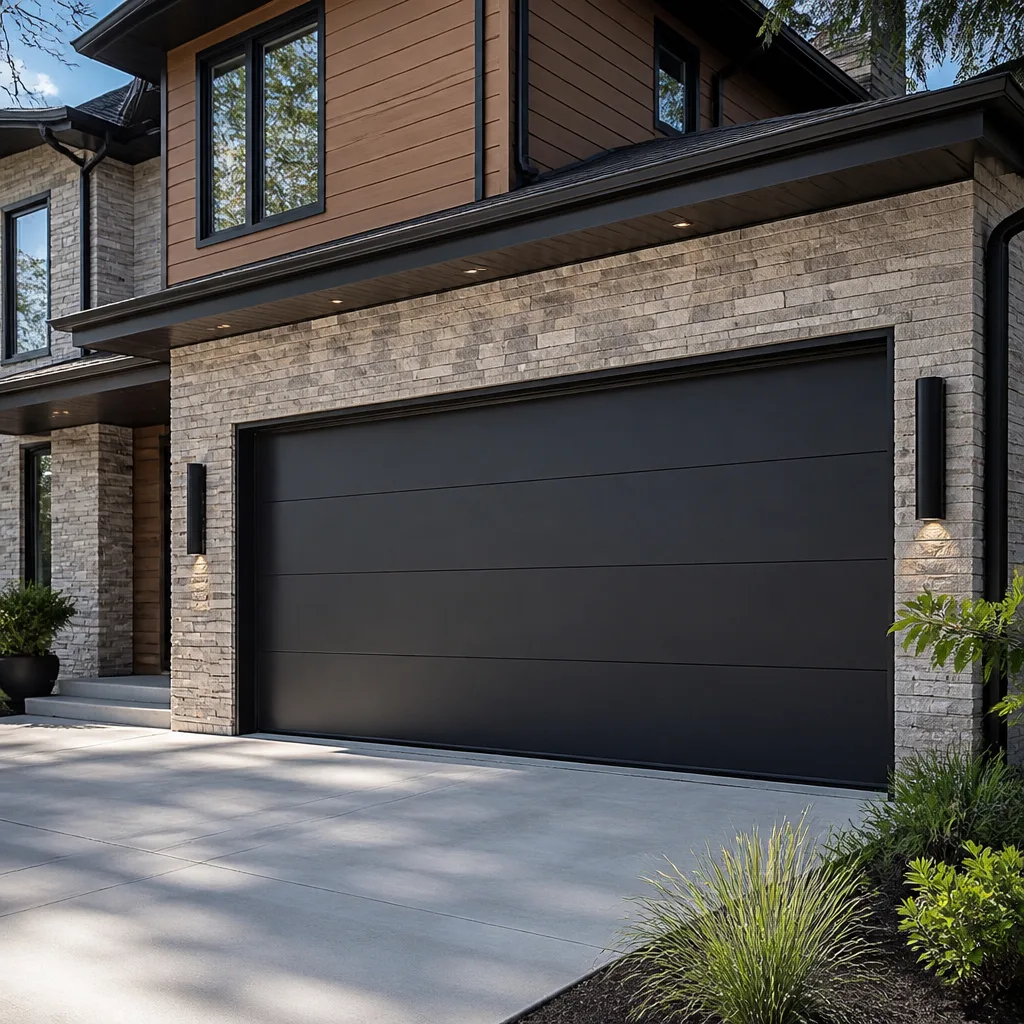 Modern flush
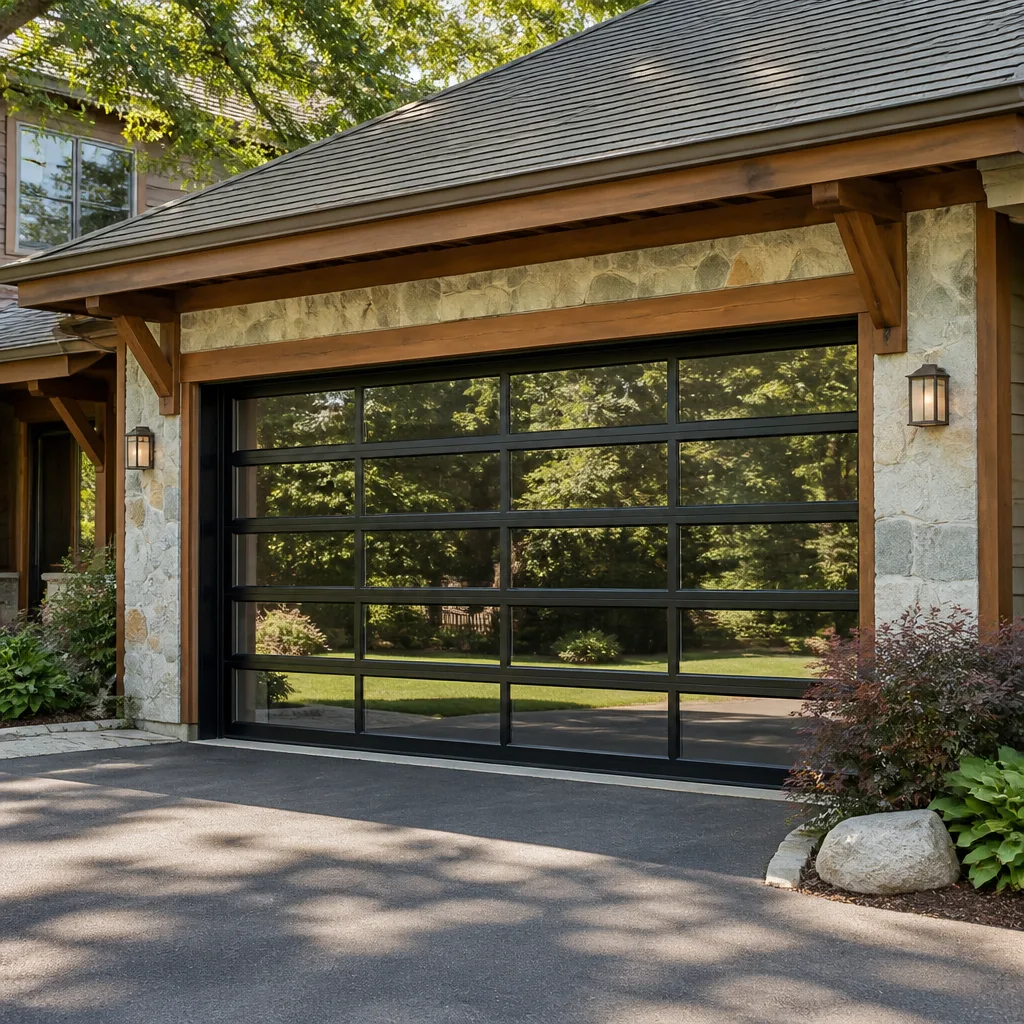 Full-view glass
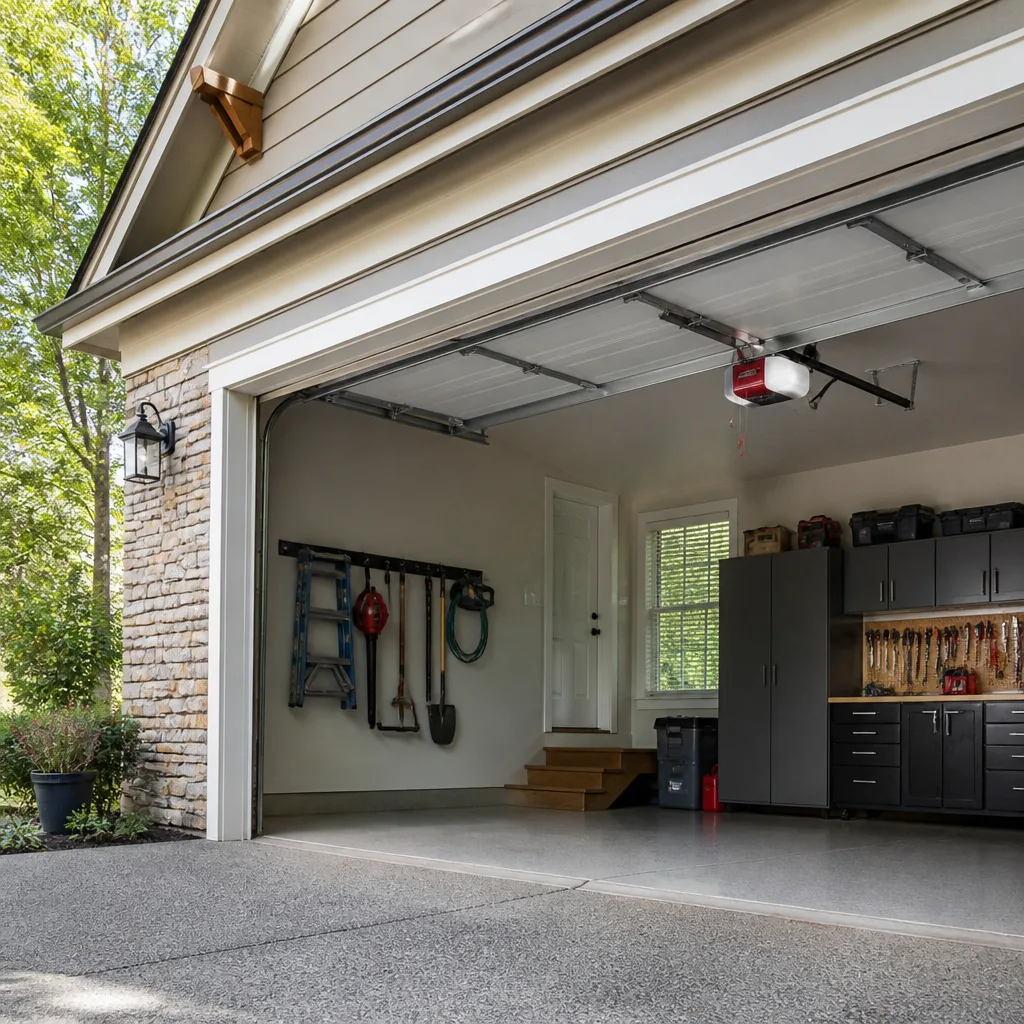 LiftMaster openers
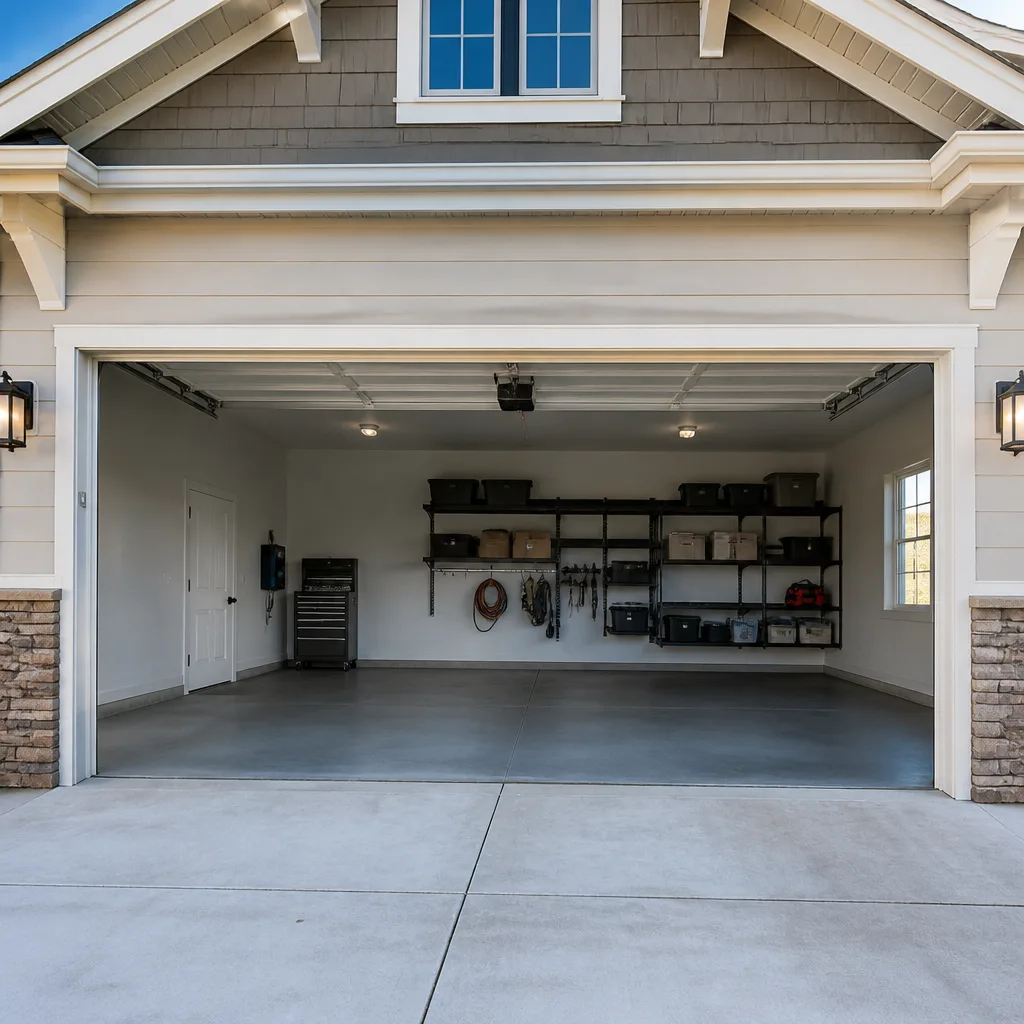 Chamberlain openers
Full 25-point door and opener safety check with every visit - springs, cables, rollers, tracks, and your LiftMaster or Chamberlain opener included
You get a price before we start. It does not change when the pro arrives.
Get your free estimateThe Complete Guide to Garage Doors in Palm Bay
Most garage door guides are written for climates where the biggest enemy is cold. Springs snap in a freeze, tracks ice up, and the whole system groans through winter. Palm Bay doesn’t work that way. Here the door lives with year-round humidity, long stretches of harsh sun, and heavy rain that arrives fast and leaves standing water behind. The damage is quieter than a winter failure, and it shows up in places homeowners rarely inspect. This guide covers how a garage door actually behaves in Palm Bay, what each part really lasts here, how storm-rated doors are required to perform in Brevard County, and when a repair is the right call versus a replacement. If you own a home in Palm Bay, this is written for your specific conditions, not a national average.
Quick Answer
A garage door in Palm Bay lasts roughly 10 to 15 years for a steel door and 15 to 20 for fiberglass or aluminum, but springs, seals, and hinges need attention well before that. Humidity, sun exposure, and afternoon storm water wear out moving parts faster than the national averages suggest, and hurricane-rated doors are required in Brevard County’s wind zone. The single most useful habit is inspecting springs, seals, and tracks twice a year rather than waiting for a failure.
Styles & brands we work with
- Raised-panel steel
- Carriage house
- Modern flush
- Full-view glass
- LiftMaster openers
- Chamberlain openers
Table of Contents
- Why Palm Bay Is Hard on Garage Doors
- Component-by-Component Lifespan in Palm Bay
- Materials That Hold Up Here
- Slab Foundations and Bottom Seal Wear
- Hurricane-Rated Doors and Brevard County Code
- Springs: The Most Dangerous Part of Any Door
- Openers and Smart-Home Controls
- Repair or Replace? A Decision Framework
- Common Mistakes to Avoid
- When to Call a Professional
Why Palm Bay Is Hard on Garage Doors
Palm Bay sits close to the Atlantic, and that proximity changes what fails first. The air carries moisture and salt nearly every day of the year, and it settles onto metal surfaces on the door, tracks, and hardware. A spring that might last years inland corrodes more quickly here because the steel wire is constantly exposed to damp air. Corrosion thins the wire until a coil fatigues and the spring lets go in a single bang. Springs are the highest-tension, highest-risk part of any door, so this is a failure that matters.
Humidity does its work on the rest of the door too. Hinges seize, rollers stiffen, and the small fasteners holding the panels together begin to rust, especially where water pools and doesn’t drain. Then there’s the rain. Afternoon storms dump a large volume of water in a short time, and the concrete apron in front of the door can hold it for a while. That standing water sits against the bottom seal, soaking it and pushing grit into the gap. Sun exposure is the third factor: the front of a garage in Palm Bay faces hours of direct light through much of the year, and that UV load breaks down seals, paint, and the finishes on less durable panels.
None of this is dramatic day to day. That’s what makes it easy to miss. The point for Palm Bay homeowners is that parts wear on a schedule shaped by this climate, and inspecting early catches most of what would otherwise fail without warning.
Component-by-Component Lifespan in Palm Bay
National charts are a starting point, not a local forecast. In Palm Bay’s humidity and sun, moving parts and rubber need replacement sooner, while the structure of a well-made door holds up reasonably well. Here’s a realistic breakdown based on what we see in the area, all in general terms since every door and every home is different.
- Torsion and extension springs: Often the first to go. Corrosion accelerates fatigue, so expect the lower end of the usual 7 to 12 year range in this climate, less if the door cycles many times a day.
- Bottom seal: One of the shortest-lived parts. With recurring storm water, sun, and slab contact, a 3 to 5 year window is realistic, and faster if the seal is a thin foam type rather than a sturdy rubber one.
- Hinges and fasteners: Rust and seize over a handful of years without attention. Periodic lubrication stretches them considerably.
- Rollers: Nylon rollers hold up better than steel bearings here. Steel rollers rust and stiffen, and 5 to 8 years is common before they start rumbling.
- Openers: Electronics tolerate the heat reasonably well, but the motor and gears in an uninsulated garage face high temperatures. Many openers give 10 to 15 years depending on use and brand.
- Panels and the door itself: A steel door with a good factory finish can run 10 to 15 years; fiberglass and aluminum, which ignore rust, can last 15 to 20. Texture and finish matter as much as the material.
- Tracks: Generally last as long as the door if kept aligned and free of rust, though rusted tracks on the coast-side door do need replacing sooner than elsewhere.
Treat these as planning numbers, not promises. The right question isn’t “when does the book say it fails” but “what does this specific door on this specific driveway look like today.”
Materials That Hold Up Here
Given the humidity and UV load in Palm Bay, material choice matters more than it does in a drier or colder place. Three options come up most often, and each has a clear trade-off.
Steel
Steel is the most common choice and the most affordable. In Palm Bay, the gauge of the steel is the number to watch: a heavier, thicker gauge resists denting and holds its finish longer than a thin skin that dents at the first contact. Insulated steel panels with a baked-on finish do better against fading and moisture than uninsulated ones. Steel will eventually show rust at the seams, so you’re buying years, not forever.
Aluminum
Aluminum ignores rust, which matters in this climate. It’s also lighter, which is easier on springs and the opener. The catch is that aluminum dents more easily than heavier steel, so it works best where the door isn’t going to take knocks.
Fiberglass
Fiberglass is resistant to moisture and corrosion, and it comes in panel designs that suit the look of many Palm Bay homes. Like aluminum, it’s lighter than steel, and it holds up well in humid conditions. Its durability varies with the specific product, so it’s worth confirming how a given fiberglass panel is constructed before you commit.
Whichever material you choose, a factory finish and a strong bottom seal matter as much as the sheet itself. The finishes on Clopay and Amarr doors, for example, are built to handle sun and moisture well. If you’re weighing options, our Palm Bay Garage Door Repair Co team can talk through which material fits your door opening and your budget, because the right answer depends on the door size, the direction it faces, and how often it’s used.
Slab Foundations and Bottom Seal Wear
Most homes in Palm Bay are built on slab-on-grade foundations, and this shapes how a garage door meets the floor. There’s no raised threshold, no crawl space, and no step up into the garage. The door sits directly on a concrete slab that is also the driveway, which creates a very specific wear pattern.
The bottom seal is the rubber strip along the lowest edge of the door. On a slab foundation, it’s the only barrier between the weather and the inside of your garage. When afternoon storms push water across the concrete, that seal is what stops it. Over time the rubber compresses, dries out from sun, and cracks. Once it fails, water gets under the door, and so does wind, dirt, and the occasional small pest.
A few things follow from this that don’t apply to homes with raised foundations:
- The bottom seal is the highest-wear part of the whole assembly and should be inspected every few months, not once a year.
- Slab settlement or a small crack near the door opening can create a gap the seal can’t close on its own, which calls for a different fix than replacing the seal.
- Water that pools against the door after a storm should drain away; if it sits, it’s shortening the seal’s life and pointing to a drainage issue worth addressing.
If a door lets water in or fails to close flush on a slab, that’s worth a look before rainy season turns it into a bigger problem. It’s the kind of thing we check during a garage door repair visit.
Hurricane-Rated Doors and Brevard County Code
Brevard County sits in a wind zone that requires garage doors to meet specific performance standards against high wind. A garage door is the largest opening in most homes, and in a storm it’s the weakest point if it isn’t rated. The general Florida building code sets baseline wind requirements, and Brevard County’s location means those requirements are taken seriously in permitting and inspection. We won’t quote code sections here because the specifics depend on your home and the current rules: the right move is to confirm the exact requirement for your property with the City of Palm Bay building department before you buy or install.
What you should know as a homeowner:
A hurricane-rated door comes with a rating and, just as important, the reinforcement and hardware that were tested with it. This is not something you can add later by swapping a few anchors. If a replacement door isn’t installed with the rated brackets, tracks, and attachments, it doesn’t deliver the performance its label promises. That’s why installation quality matters as much as the product.
If your current door predates modern wind requirements, or if you’re not sure whether it meets them, that’s the first question to answer before storm season. A rated upgrade is a safety improvement as much as a code one. Our door installation service helps sort this out, because getting the right door and the right anchoring on the first try is what actually protects the home.
Springs: The Most Dangerous Part of Any Door
Springs are the most dangerous part of any garage door, and in Palm Bay’s humidity they also tend to be the part that fails first. They carry the weight of the door under tremendous tension, and when one breaks, the release is sudden and violent. This is not a component to handle on your own. We tell every homeowner the same thing: a broken spring is a call to a professional, not a weekend project. The injuries that come from DIY spring work are severe, and they’re avoidable.
There are two types. Torsion springs mount horizontally above the door and do most of the lifting. Extension springs run along the sides. Both corrode in this climate, and both can fatigue without obvious warning, though a few signs do show up:
- A loud bang from the garage, which is often the sound of a spring letting go.
- A door that opens slowly, strains, or won’t lift past a certain point.
- A visible gap in a torsion spring’s coil.
- Visible rust or pitting on the spring wire, especially on the side facing the weather.
Spring repair is a dedicated service for us because it’s the part that demands the most care. The price is set per job by the written estimate, and a matched pair of springs is usually replaced together, so a pair costs about twice a single spring. When one of a pair breaks, replacing both keeps the door balanced. If you’ve heard the bang or the door is struggling, our garage door spring repair service is the way to get it safely fixed. Call (833) 762-4168 and we’ll get you on the schedule. We answer 24/7.
Openers and Smart-Home Controls
The opener is where electronics, heat, and daily use all meet. In an uninsulated Palm Bay garage, the motor and circuit board sit in high temperatures for months at a time, and that shortens their life compared with the same opener in a cooler garage. It’s a standalone service for us because most homeowners can’t troubleshoot the board, the sensors, or the smart-home integration without the right equipment and knowledge.
We work on the major opener brands, including LiftMaster and Chamberlain, along with legacy Genie and Craftsman units that are still going strong in many Palm Bay homes. A few things worth knowing:
Common failures
- Remote or keypad that won’t pair or keeps losing its code.
- A door that opens partway and reverses.
- Safety sensors that trip on nothing, often because they’re dirty or misaligned.
- A motor that runs but the door doesn’t move, which points to the drive gear or a broken spring rather than the opener itself.
Repair or upgrade
Modern openers with Wi-Fi and app control are reliable and genuinely useful, especially for a family that wants to know the door is closed. But not every problem needs a new unit. If your opener is otherwise sound, our garage door opener repair team can often fix the actual failure rather than sell you a replacement you don’t need. If an opener is at the end of its life, an upgrade fits within the same visit.
One practical point: an opener that struggles to lift the door could be fighting a tired spring, not failing on its own. That’s worth diagnosing before replacing the opener and finding the same problem afterward.
Repair or Replace? A Decision Framework
This is the question most homeowners actually want answered, and it comes up more in Palm Bay than you’d think because of how corrosion and sun age a door. The right answer depends on the door, its age, what’s failed, and what you want from it. Not every rough-looking door needs replacing, and not every repair is worth doing.
Work through these questions in order:
- What failed? A spring, a seal, a hinge, or an opener is a repair. A panel with structural damage, shattered torsion hardware, or damaged tracks may point to a larger job.
- How old is the door? If it’s within the typical lifespan for its material (10 to 15 years for steel, 15 to 20 for fiberglass and aluminum), repairs usually make sense.
- Is the cost of repairs piling up? If several parts need attention at once and the door is near the end of its life, a replacement often costs less per year of service.
- Does it meet current wind requirements? On a Brevard County home, this can tip the decision toward replacement.
- Does the door still suit the house? A worn finish, a dated look, or persistent damp intrusion can be an aesthetic and practical reason to replace rather than repair.
We’re a repair-first company. Same door, fixed right, is the default. When a repair is the sensible move, we say so. When a replacement makes more sense, we say that too, and we handle both, so you don’t need to call a second company mid-project. The written estimate always sets the final price, and it comes before any work starts.
Common Mistakes to Avoid
- Ignoring the bottom seal. In Palm Bay’s storm water and sun, the seal wears faster than anything on a slab-foundation door. Letting a cracked seal go invites water into the garage and eventually into the door hardware.
- Assuming a national lifespan chart. Springs and seals wear faster here than a guide written for a cooler, drier climate suggests. Plan around this climate, not a national average.
- Trying to fix a spring yourself. This is the highest-risk part of the door, and the injuries are real. A broken spring is a job for a professional.
- Replacing only one of a matched pair. When one spring breaks, replacing both keeps the door balanced. A single spring replacement often leads to the other one failing soon after.
- Replacing an opener when the problem is a spring. If the motor runs but the door doesn’t move, the opener may be fine and the spring is the real issue.
- Skipping a post-storm check. After a strong storm, water, debris, and wind can leave the tracks misaligned or the seal compromised. A quick inspection catches it early.
- Buying a hurricane-rated door without checking the anchoring. A rated door only performs as rated if it’s installed with its tested track and bracket system. Ask your installer what the rating actually covers.
When to Call a Professional
Some problems are clearly a call. A broken spring, a door that’s come off its tracks, a door that won’t open or close and leaves the house unsecured, an opener that’s stopped responding, or a hurricane-rated upgrade you’re planning: all of these are professional work. So is anything that could put your hands into the tension mechanism of a door. Beyond that, the insurance question. A garage door failure can damage the door itself or the car inside, and a professional install or repair done to standard is the safer record to keep for that reason. Palm Bay Garage Door Repair Co offers free estimates in Palm Bay. We answer 24/7, and we dispatch Sunday through Friday, 7am to 7pm, closed Saturday. Call (833) 762-4168 and we’ll get you scheduled, whether the door is stuck today or you’re planning a replacement this season.
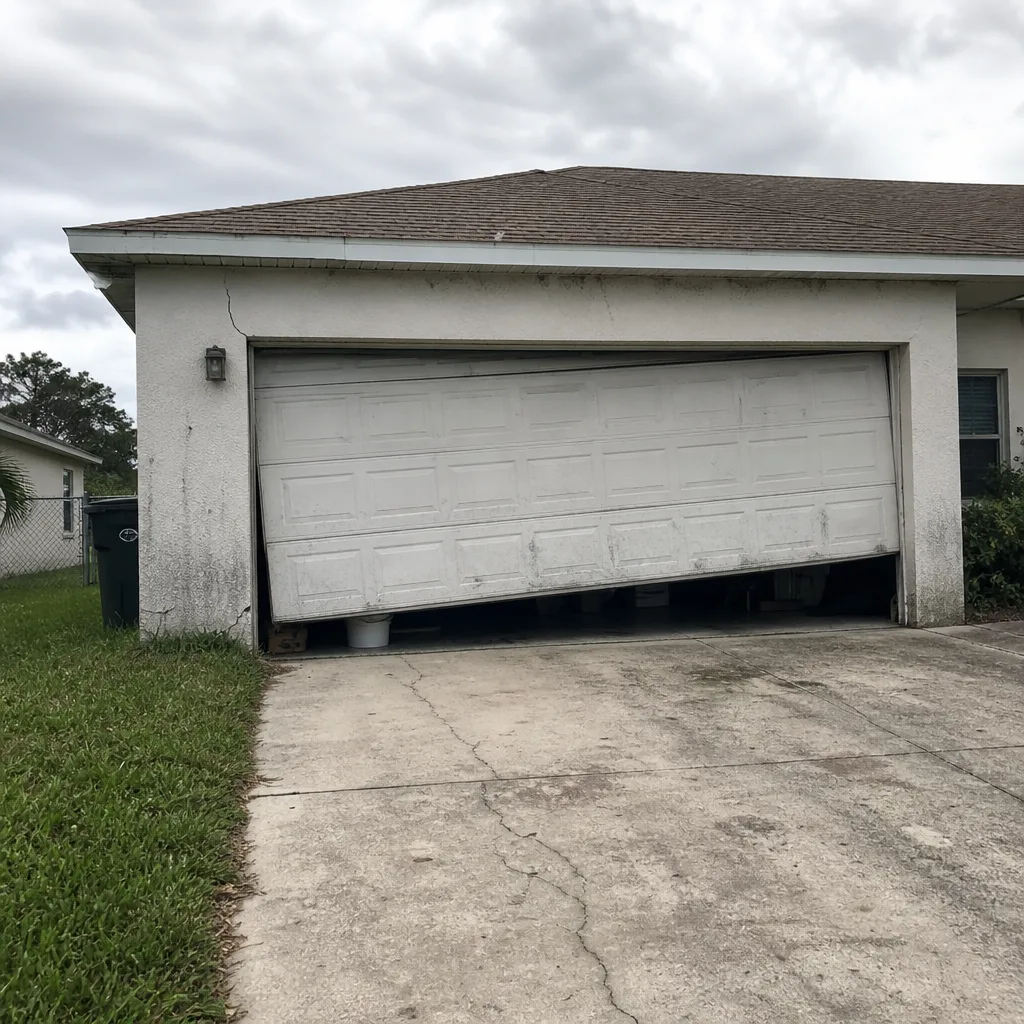
See the difference
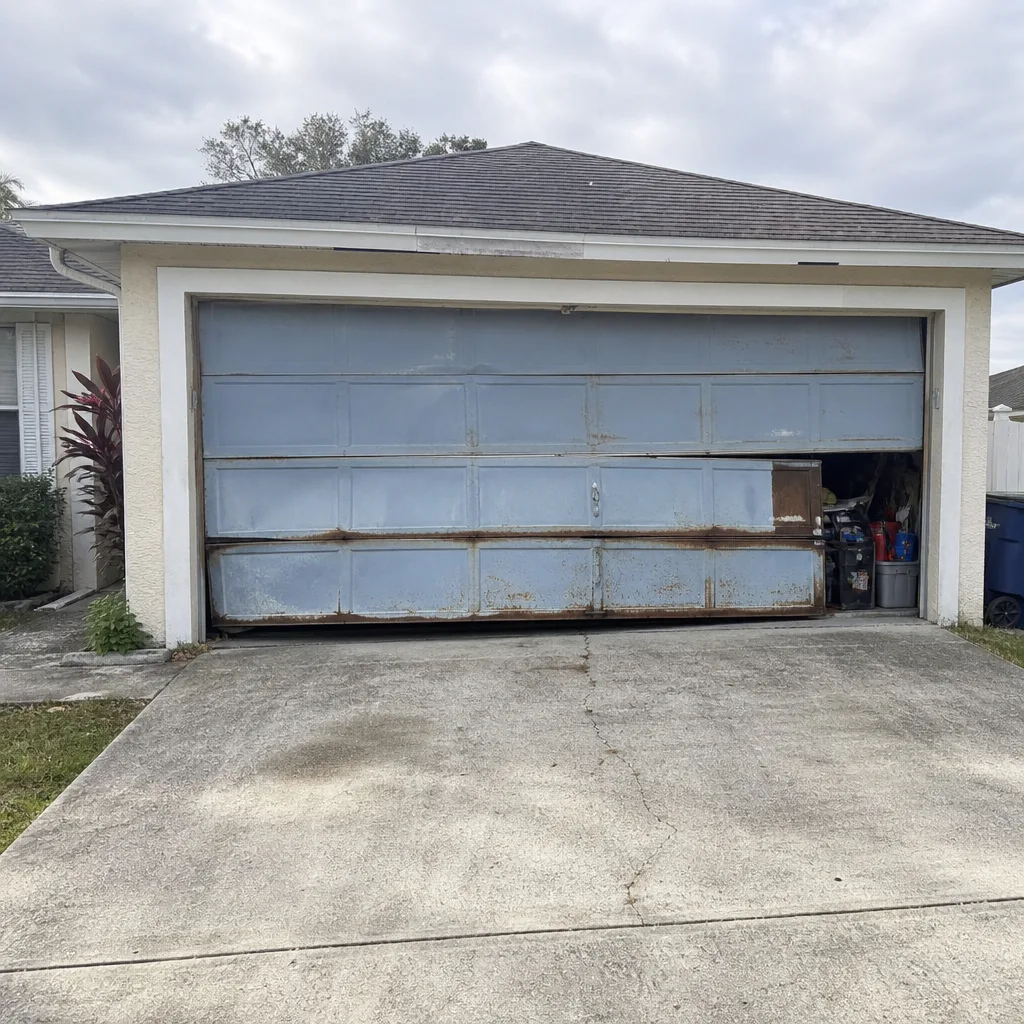 Before
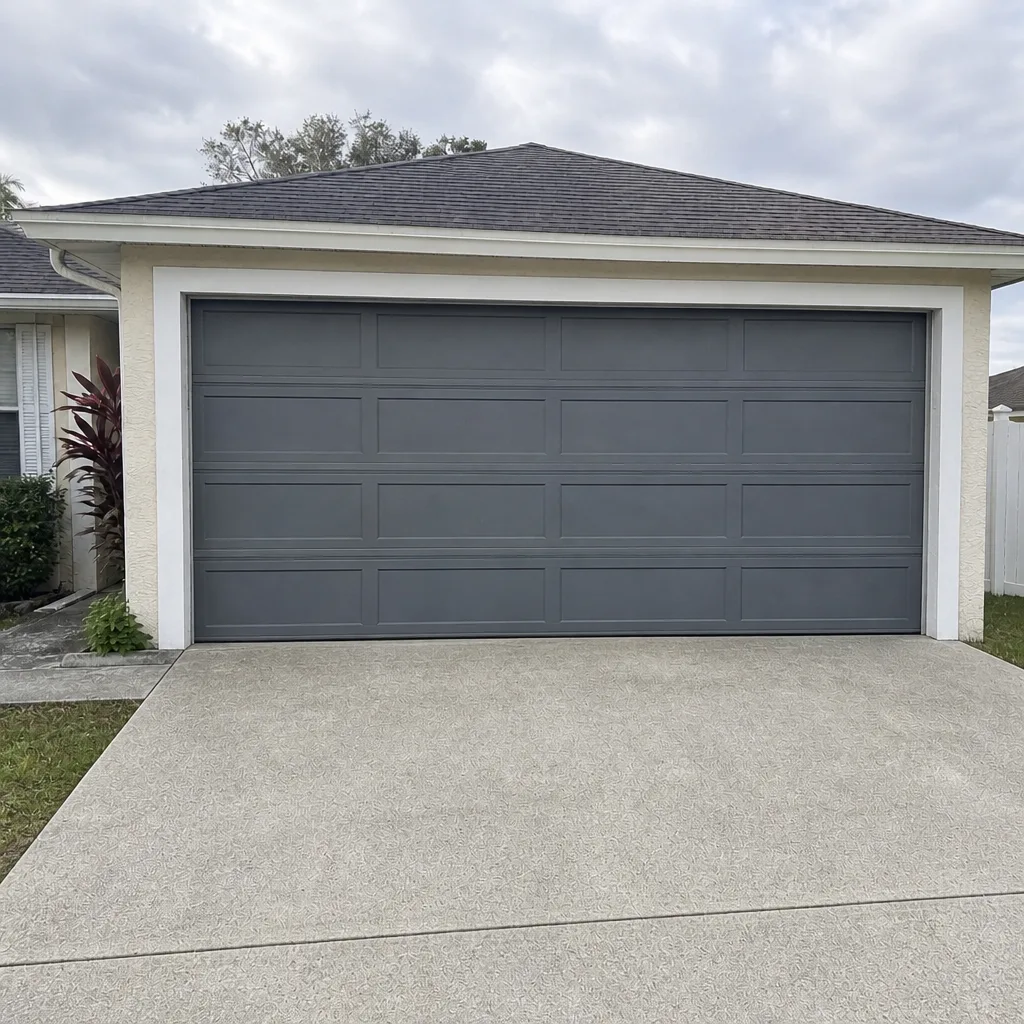 After
 Before
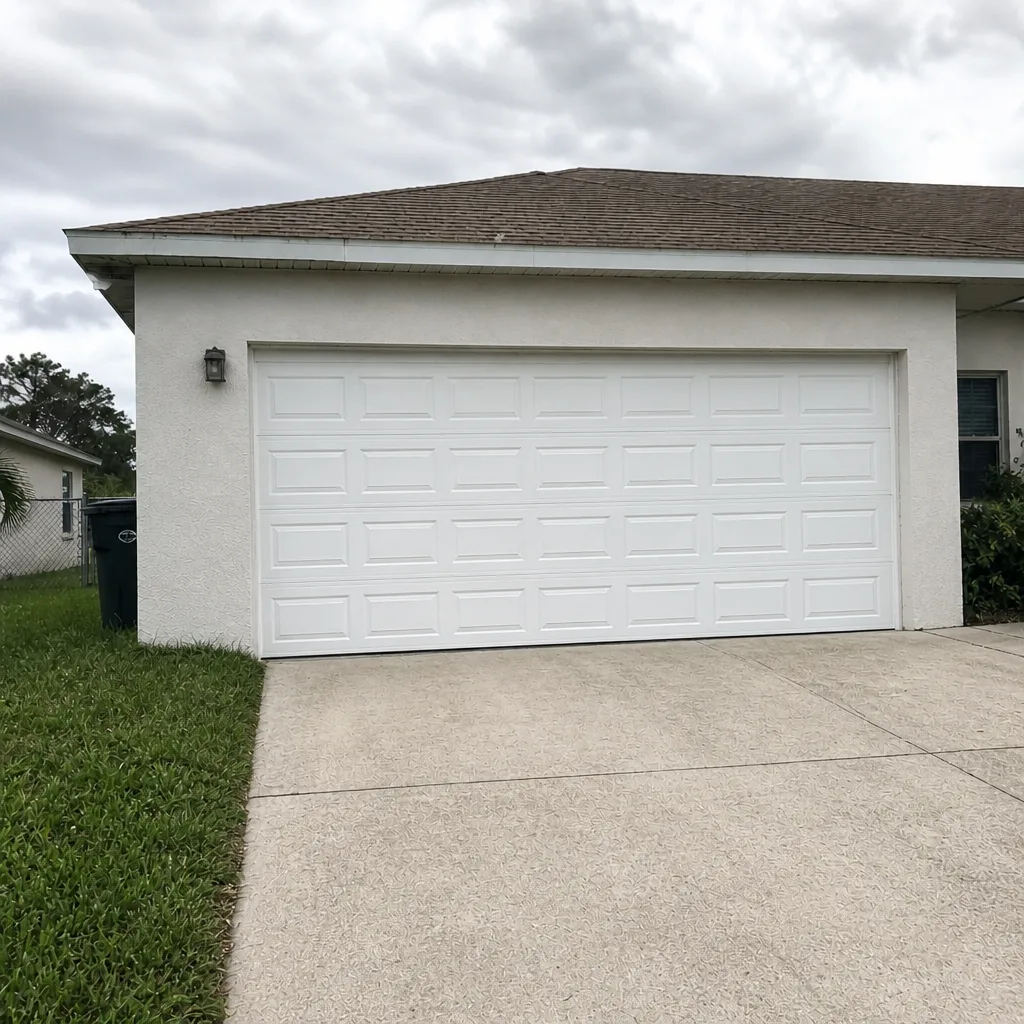 After
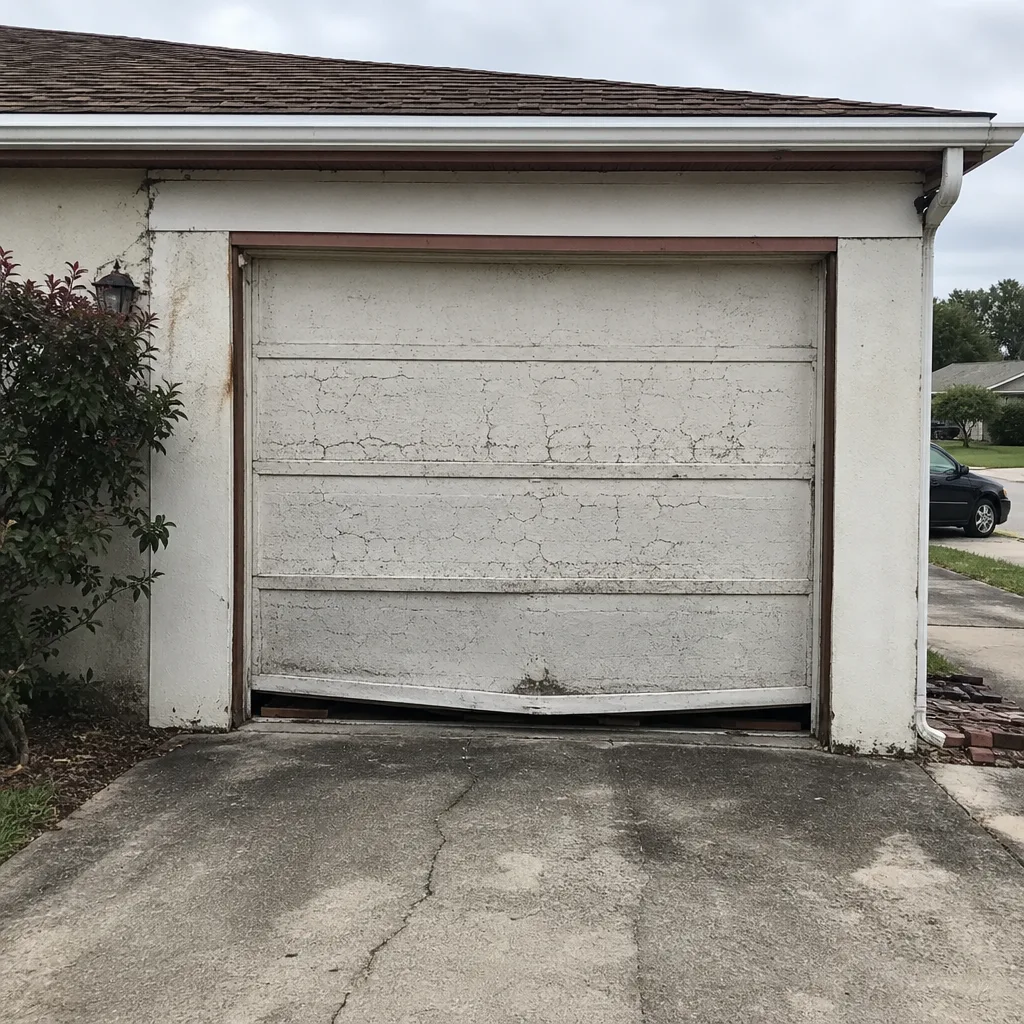 Before
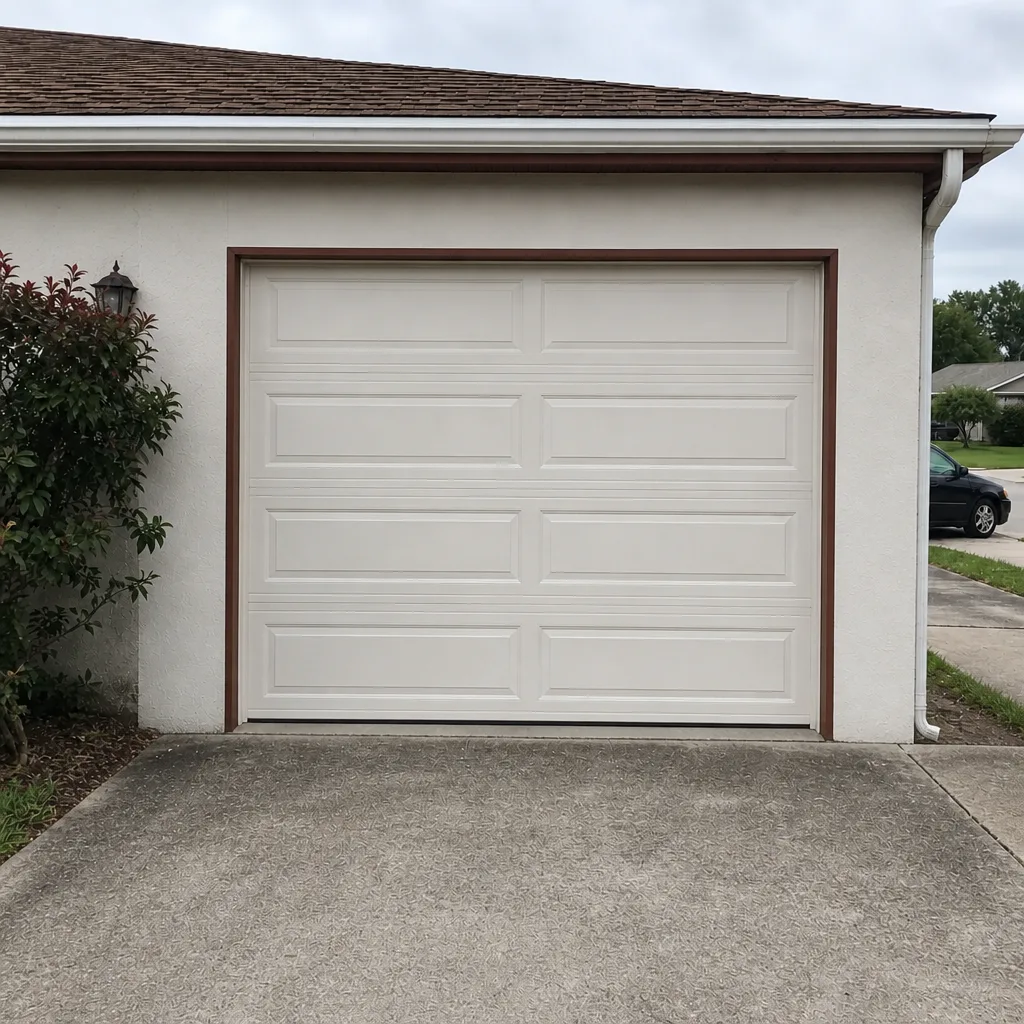 After
Frequently Asked Questions
Typical repairs run from about $150 to $450 depending on what’s wrong, with spring and opener work toward the middle and larger jobs like track repair or panel replacement toward the upper end. The written estimate comes before any work begins and sets the final price. Call (833) 762-4168 for an exact quote, and estimates are free.
A steel door typically lasts 10 to 15 years here, and fiberglass or aluminum 15 to 20, but the moving parts wear faster than national averages due to humidity and sun. Springs, seals, and hinges usually need attention well before the door itself. Inspections twice a year are what keep a door running through its full life.
Yes, same-day service is available for urgent failures, and we answer the phone around the clock. We dispatch Sunday through Friday, 7am to 7pm, closed Saturday. If you call outside dispatch hours, we’ll book you into the next opening so the door gets fixed as soon as we can get there.
Garage doors in Brevard County must meet specific wind ratings set by Florida building code and county rules, so it’s worth confirming the requirement for your home with the City of Palm Bay building department before you buy. A rated door only performs as rated if it’s installed with its tested track and hardware.
No. The written estimate is the price, and it’s agreed before any work starts. If we find something on the door that changes the scope, we tell you before we do anything, never after. That’s the whole point of a written estimate. Call (833) 762-4168 for a free quote.
We work on the most widely installed brands, including LiftMaster, Chamberlain, Genie, Clopay, Amarr, Wayne Dalton, Craftsman, and Raynor. That range covers virtually any system in a Palm Bay home, so you won’t be handed off because the brand isn’t on a short list. Our technicians have up to 13 years of experience with these systems.
The Bottom Line
A garage door in Palm Bay faces a set of conditions most guides never mention: constant humidity, hard sun, and afternoon storms that leave water standing against the bottom seal. Springs and seals wear faster here than national averages suggest, and a slab foundation means the seal is doing more work than it would on a raised threshold. Brevard County’s wind requirements make hurricane-rated installation a decision worth getting right. The practical takeaway is simple: inspect springs, seals, and tracks twice a year, repair early rather than late, and call a professional for anything involving springs or storm-rated work. Springs are the most dangerous part of any door, and they’re the one thing we’d never suggest handling yourself.
Palm Bay Garage Door Repair Co handles repair, spring and opener work, installation, and emergency service across the area. We work on the major brands, and we offer free estimates so you know the price before anything starts. Call (833) 762-4168. We answer 24/7, and we dispatch Sunday through Friday, 7am to 7pm, closed Saturday. Whether the door is broken today or you’re planning a replacement, we’ll get you scheduled.
Written by the team at Palm Bay Garage Door Repair Co.